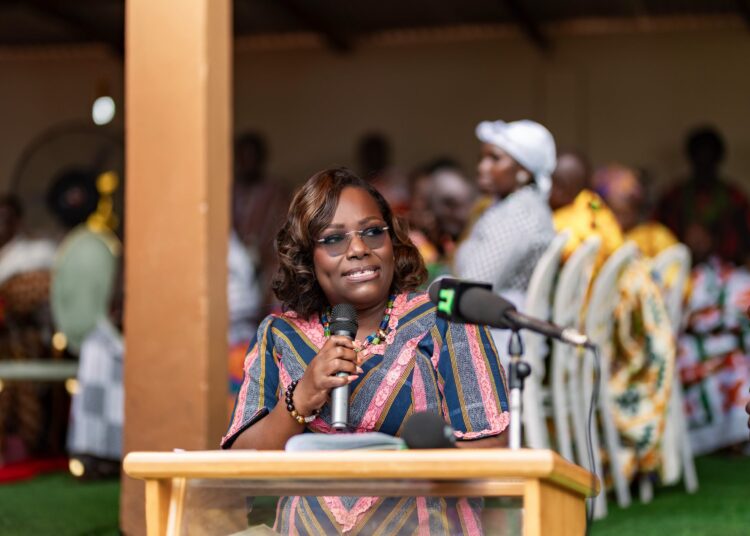
The Government of Ghana is working to adopt a sovereign digital platform to support secure virtual meetings and improve coordination across the executive branch, Deputy Chief of Staff for Administration, Honourable Nana Oye Bampoe Addo, has disclosed. The initiative forms part of broader efforts to modernise public administration through technology while reducing the need for senior government officials to travel for routine engagements.
Speaking at the HR Café at the Kofi Annan International Peacekeeping Training Centre, Honourable Addo explained that the government is working under the leadership of the Chief of Staff, Dr Julius Debrah, to deploy the Tika Secure Government Virtual Meeting Platform. The government owned system is intended to provide a protected environment for high level virtual operations.

Directing attention to its practical application, the Deputy Chief of Staff indicated that the platform would allow the Chief of Staff to engage Metropolitan, Municipal and District Chief Executives virtually without requiring them to leave their offices. Such an arrangement, she noted, could strengthen communication between central government and local authorities while saving time and resources.
“It’s a sovereign, government-owned platform for executive-level virtual operations and offers a secure environment for high-level virtual meetings.”
Honourable Nana Oye Bampoe Addo
Moreover, the initiative forms part of a wider digital governance agenda aimed at improving the way ministries, departments and agencies coordinate their activities. Honourable Addo revealed that government has also undertaken a technical review of its digital governance and website guidelines as it seeks to establish more coherent standards across the public sector.
The digital measures are being introduced alongside efforts to prepare government leaders for the growing influence of artificial intelligence in public administration. In collaboration with the United Nations Development Programme, government organised a three day Ministerial Artificial Intelligence Bootcamp to equip Cabinet Ministers with knowledge to promote ethical and inclusive adoption of emerging technologies.
Analysing the broader reform programme, the Deputy Chief of Staff linked the digital initiatives to the government’s effort to make public administration more efficient and responsive. She noted that President John Dramani Mahama inherited a large public administration but moved to reduce the size of government by limiting ministerial appointments to 60 and reducing the number of ministries from 30 to 23.
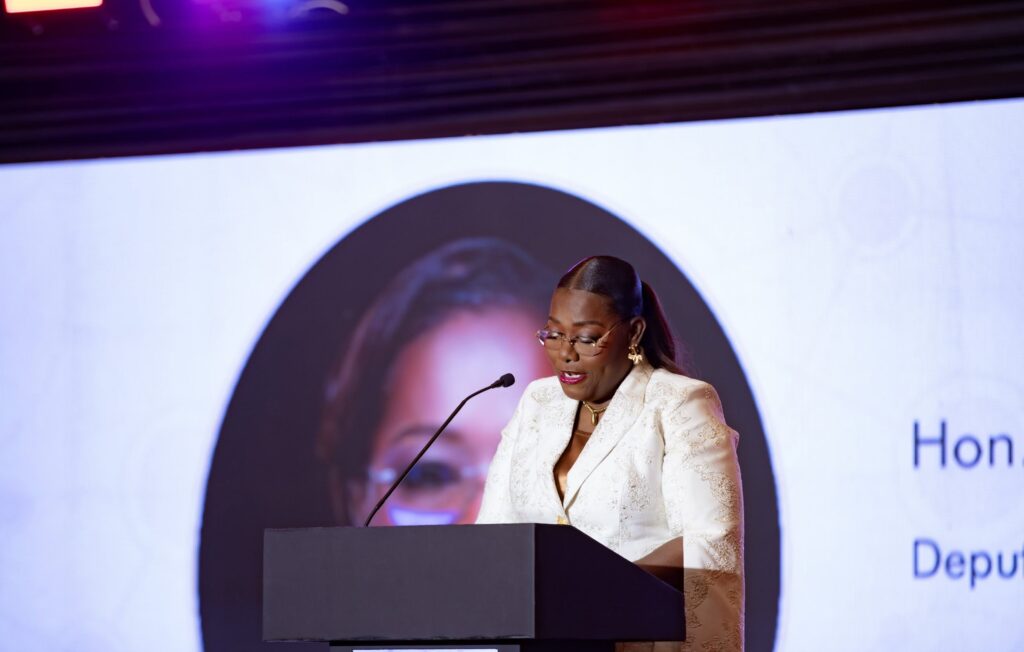
The restructuring, she argued, demonstrates that a smaller administrative structure can still deliver effectively when supported by better coordination and appropriate technology. Additionally, the government has adopted a coordinated programme of economic and social development policies as part of its four year development framework submitted to Parliament in January 2026.
On the issue of digital coordination, Honourable Addo stressed that technology should not be treated as an isolated administrative tool. Instead, she positioned it as an important component of institutional reform, particularly as government seeks to connect officials, improve decision making and strengthen the delivery of public services.
Ghana Advances Public Sector Reforms Through Stronger Governance
Ghana’s public sector reform agenda is being strengthened through measures aimed at improving accountability, institutional coordination and human capital development, Deputy Chief of Staff for Administration, Honourable Nana Oye Bampoe Addo, has revealed. She outlined several initiatives under President John Dramani Mahama’s administration, arguing that reforms must combine effective leadership with systems that promote integrity and responsible use of public resources.
The Deputy Chief of Staff described the gathering as both strategic and significant because it created a platform for professionals to exchange knowledge on public sector development. She connected the programme to wider African initiatives on human capital development, cooperation and knowledge sharing.
Referencing Ghana’s participation in the African Continental Free Trade Area, Honourable Nana Oye Bampoe Addo noted that regional integration increasingly extends beyond the movement of goods to include the movement and exchange of skilled human capital. She pointed to Ghana’s deployment of trained nurses and other professionals to other countries as an example of how expertise can contribute to deeper international cooperation.
The Deputy Chief of Staff further linked the HR Café to the Accra Reset, which she described as a platform for cooperation and human capital development. She indicated that such engagements could help African countries learn from one another while developing institutions capable of responding to changing economic and social demands.

Directing attention to domestic reforms, she highlighted the government’s efforts to establish a more accountable public sector following calls for greater transparency in the management of state resources. One of the measures she cited was the Operation Recover All Loot initiative, which she explained had moved into recovery and prosecution stages.
Additionally, government has adopted what Honourable Addo described as the country’s first Code of Conduct for Government Appointees. The Office of the Chief of Staff, she revealed, has been enforcing the code as part of efforts to establish clearer standards of conduct among public officials.
“To sustain this standard, the President launched, and government adopted, the first-ever Code of Conduct for Government Appointees.”
Honourable Nana Oye Bampoe Addo
Moreover, government has established a National Governance Advisory Council under the leadership of the Senior Presidential Advisor on Governance, Dr Valerie Sawyerr. The council, according to the Deputy Chief of Staff, is intended to build a framework of trust between government, citizens and civil society while promoting integrity and regularly reviewing the performance of government institutions.
The reform agenda also places considerable emphasis on reducing administrative burdens and improving efficiency within government. Honourable Addo explained that the reduction in the number of ministries and the cap on ministerial appointments formed part of a deliberate attempt to create a leaner administration capable of delivering more efficiently.
Analysing the significance of the HR Café, she stressed that human capital remains central to the success of institutional reforms because policies and systems ultimately depend on the people responsible for implementing them. The programme therefore provides an opportunity for public sector professionals and other experts to examine practical approaches to improving institutional performance.
READ ALSO: Minister of Health Reports Progress on Free Primary Healthcare Rollout