NPP National Treasurer and aspiring General Secretary, Dr Charles Dwamena, has assessed the performance of the party’s current General Secretary, Justin Frimpong Kodua, arguing that his best efforts did not produce enough results for the party.
Dr Dwamena, who worked with Mr Kodua over the past four years, acknowledged his efforts but indicated that the party require stronger outcomes to advance from the position it has previously attained.
The Former Deputy Ambassador to China stressed that the assessment should not be reduced to a blanket judgement on every member of the party’s leadership following its return to opposition. He explained that the NPP operates through an executive structure in which different officers are assigned specific responsibilities, making individual performance assessment necessary.
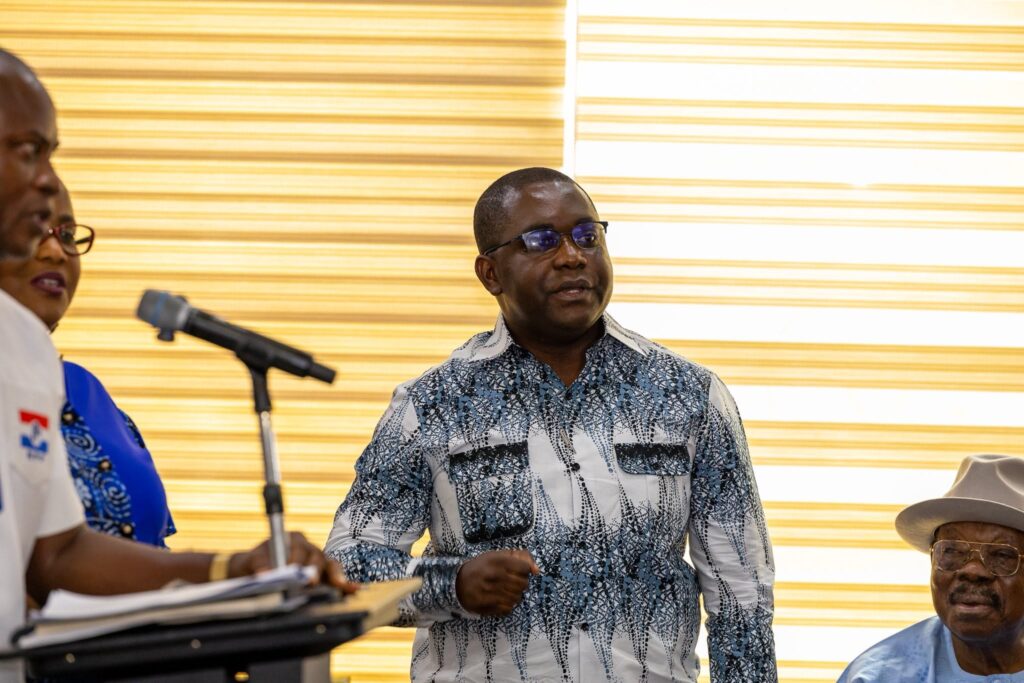
“In its totality, his best wasn’t enough for the party, because the party had gotten to a certain level and we needed to build upon it to get to another level.”
Dr Charles Dwamena
Dr Dwamena noted that the party’s collective objective has been to retain political power, and its failure to achieve that objective required the leadership to examine what went wrong. However, he cautioned against concluding that every officer performed poorly simply because the collective goal has not been achieved.
The aspiring General Secretary illustrated his position with the example of workers on a boat, arguing that although they may share responsibility for reaching the destination, their individual contributions can differ considerably. Accordingly, he advocated an assessment that examines what each officer was expected to accomplish and compares those responsibilities with the actual output delivered.
He further contended that such an approach would provide useful lessons for the party as it prepares for its next phase of political activity. Dr Dwamena pointed out that some officers could have exceeded the expectations attached to their positions even if the wider organisation failed to achieve its ultimate objective.
Additionally, he argued that recognising individual effort would help create a stronger culture of accountability within the party. The NPP National Treasurer therefore rejected calls for all members of the previous leadership structure to simply withdraw from active politics because the party lost power.
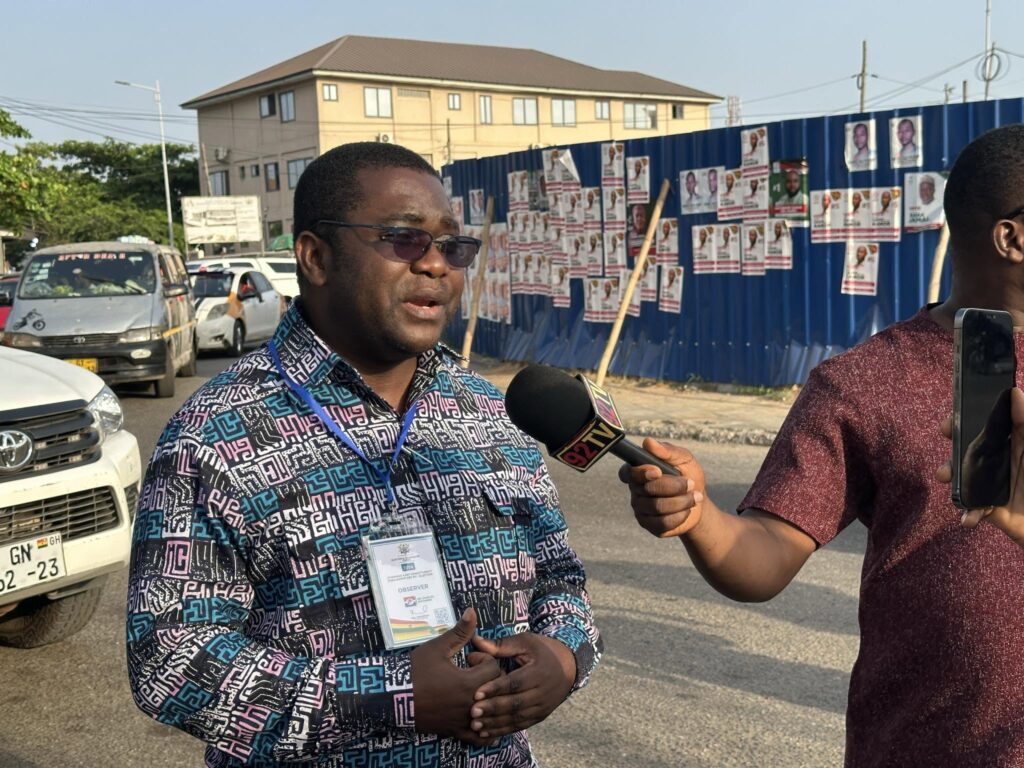
Instead, he urged the party to distinguish between officers who failed to meet their responsibilities and those who went beyond what was expected of them. Consequently, he emphasised that the party’s next stage should be informed by a careful assessment of individual contributions, lessons from the electoral setback and a commitment to producing better results.
NPP Membership Dues Surge, Treasurer Overhauls Party Financing
NPP National Treasurer and aspiring General Secretary, Dr Charles Dwamena, also disclosed a major increase in the party’s internally generated funds from membership dues following efforts to encourage members to fulfil their financial obligations.
The Former Deputy Ambassador to China revealed that monthly collections from membership dues were below GH¢100 when he assumed office, with the figure eventually rising to an average of more than GH¢30,000 per day. Dr Dwamena attributed the growth to sustained sensitisation and outreach programmes aimed at helping party members understand the importance of contributing financially to the organisation.
He described membership financing as one of the most difficult sources of political funding to establish but argued that it could become one of the most sustainable once properly developed. The aspiring General Secretary explained that his interest in strengthening member contributions was influenced by his understanding of political party financing systems elsewhere.
“I came in with very clear intentions to work on these. And the mobilisation from members was one of it, because in political financing, it is often the most difficult to set up, but having set up, it is also the most sustainable.”
Dr Charles Dwamena
Dr Dwamena further indicated that a functioning membership dues structure could provide the NPP with a reliable financial foundation for many years if the system continued to receive proper attention. Alongside the financial reforms, he disclosed that the party’s membership database presented significant difficulties when he assumed responsibility for the treasury.
He recalled that the previous administration under former General Secretary John Boadu undertook substantial work on the database, with the remaining task largely involving its launch. The Former Deputy Ambassador criticised the decision to start a fresh registration process, arguing that organisational systems should benefit from continuity when new officers take over.
According to him, changes in leadership should bring new ideas and direction without automatically discarding structures developed by previous administrations. Dr Dwamena stressed that continuity forms an important part of effective governance because each leadership team inherits systems established by its predecessors.
He therefore argued that the NPP’s identification and membership structures should have been developed progressively instead of requiring major processes to begin again. Additionally, he linked a reliable identification system to the party’s ability to properly track its membership and strengthen participation in party activities.
READ ALSO: GSE Suffers Trading Rout Despite Composite Index Rebound