Hon. Jerry Ahmed Shaib, Esq., Member of Parliament for Weija-Gbawe Constituency and Second Deputy Minority Whip, has leveled sharp criticism against the government’s administration of the Domestic Gold Purchase Programme (DGPP), pointing to documented structural inefficiencies and fiscal oversights.
According to the lawmaker, what began as a visionary economic buffer designed to build reserves and support the Cedi has been severely compromised by managerial negligence under the current ruling administration.
“In its 10th Ghana Economic Update: Reset for Growth, Sustaining Macroeconomic Recovery and Unlocking Transport for Transformation (August 2026, page 7), the Bank states that GoldBod-related operations, among other issues, are ‘a significant and insufficiently monitored risk’ to our economy. In plain terms: nobody in this government has been properly watching how a well-designed programme is run. That is incompetence or negligence at the highest level.”
Hon. Jerry Ahmed Shaib, Esq.
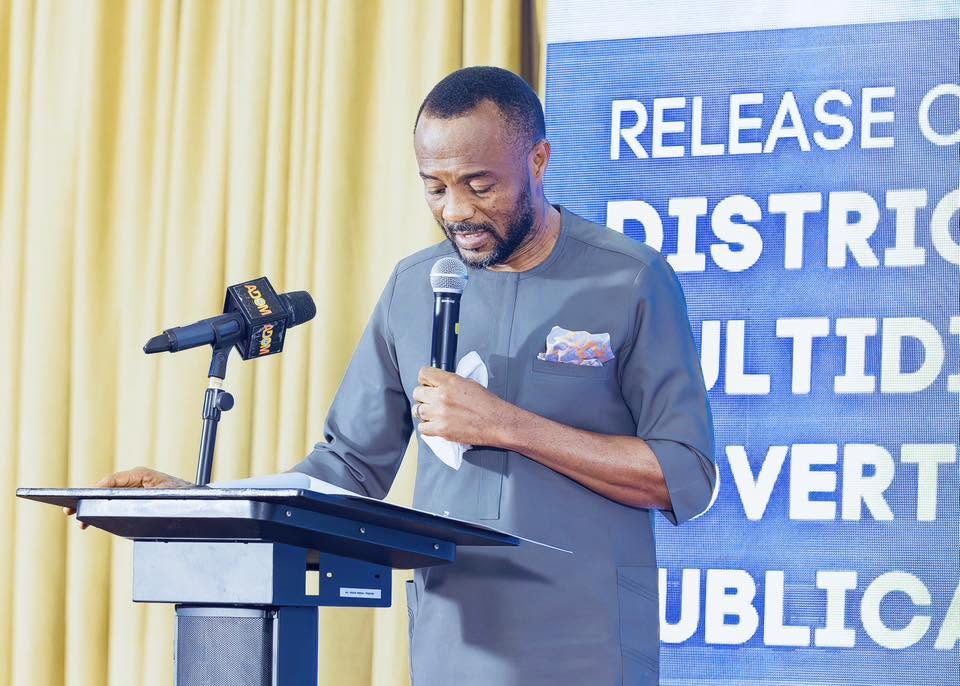
While expanding on these concerns, the Second Deputy Minority Whip highlighted findings from multinational financial bodies that detail the mounting economic toll of these operational failures.
Citing data from the International Monetary Fund (IMF) Country Report No. 26/213 (August 2026), he noted that the gold purchase strategy recorded over $1.7 billion in policy losses in 2025 alone representing approximately 1.5% of the nation’s Gross Domestic Product—which severely damaged the central bank’s equity.
The MP emphasized that recent findings from the World Bank’s 10th Ghana Economic Update corroborate these assessments, explicitly warning that operations tied to the Ghana Gold Board (GoldBod) present an unmonitored exposure to the wider national economy.
Escalating Macroeconomic Exposures and Institutional Vulnerabilities
The parliamentary opposition’s critique underscores a broader pattern of unaddressed financial risks reverberating through key sectors of the Ghanaian extractive and financial landscape.

Beyond the central bank’s exposure to volatile global market shifts in gold prices, official international reviews have flagged systemic delays in executing key structural reforms.
The World Bank’s latest assessment underscores that gold reserves under the GoldBod framework are not subjected to the standard tracking mechanisms applied to conventional national reserves.
This regulatory disparity, combined with undercapitalized specialized deposit-taking institutions and persistent liquidity constraints at COCOBOD, creates a compounding threat to Ghana’s fragile macroeconomic stabilization recovery.
Political Imperatives Behind the Extractive Sector Intervention
Hon. Jerry Ahmed Shaib’s public intervention comes at a critical juncture in the domestic debate over resource governance and public asset accountability.
As an opposition leader, his decision to push these findings into the public arena is driven by the legislative duty to enforce executive oversight, particularly when state-backed commodity trading frameworks risk incurring quasi-fiscal liabilities.

By directly tying institutional reports from the IMF and World Bank to cabinet-level accountability, the Minority side seeks to compel formal parliamentary scrutiny, demand standard audits for state gold transactions, and safeguard public funds from further unmonitored operational losses.
Structural Policy Reform Demands in Resource Governance
To prevent further erosion of state liquidity, economic analysts and legislative stakeholders urge a immediate realignment of how natural resource reserves are managed and audited.

Addressing the vulnerabilities flagged by multilateral lenders requires establishing rigorous, transparent accounting frameworks that bridge the gap between central bank operations and commodity trading entities like GoldBod.
Without independent oversight, robust risk-monitoring mechanisms, and full public disclosure of gold purchase spreads and off-taker agreements, critical national interventions risks becoming structural liabilities rather than economic stabilization tools.
READ ALSO: Weija Dam Spillage: GWCL Warns Downstream Communities Of Rising Risks