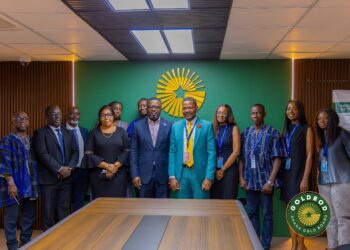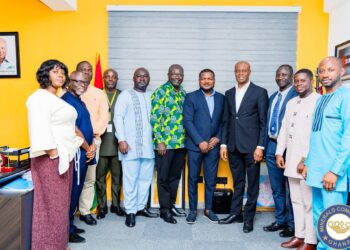
The Ghana Gold Board (GoldBod) has established itself as a leading benchmark for mineral resource management across the continent following a high-level study tour by a delegation from the Ministry of Industries, Mines and Energy of the Republic of Namibia.
Led by the Deputy Executive Director and Head of the Department of Mines, the Namibian officials visited GoldBod’s headquarters to gain first-hand insight into the institution’s comprehensive framework governing gold purchasing, licensing, compliance, and responsible sourcing.
This strategic engagement highlights growing continental recognition of Ghana’s restructured gold value chain, which balances rigorous regulatory oversight with sustainable economic returns and state sovereignty over precious mineral resources.
“The engagement provided a platform for knowledge exchange between the two countries, with the Namibian delegation gaining insights into the institutional, regulatory, operational and compliance structures underpinning GoldBod’s work. The visit underscores the growing interest in Ghana’s approach to organising and regulating the gold value chain and reinforces GoldBod’s role as an emerging reference point for discussions on gold governance, responsible mining and value retention in Africa.”
Ghana Gold Board (GoldBod)

Building on this foundational exchange, the benchmarking mission provided the southern African nation with an in-depth examination of GoldBod’s integrated operational ecosystem.
Receiving the delegation on behalf of GoldBod, Deputy Chief Executive Officer Richard Nunekpeku, Esq., presented an overview of the institution’s statutory mandate before coordinating detailed briefings from key departmental heads.
These technical presentations detailed the board’s tiered purchasing system, foreign exchange stabilization strategies, and enforcement operations, offering the Namibian visitors practical mechanisms to address operational fragmentation and establish consistent regulatory standards across their own domestic mining sector.
Addressing Structural Disparities in Continental Mining Governance
For decades, mineral-rich African nations have grappled with regulatory loopholes, unorganized artisanal mining, severe environmental degradation, and revenue leakage that prevent local communities from fully benefiting from their natural wealth.
Namibia’s current mining landscape reflects these systemic challenges, operating under varying arrangements and standards that create administrative inconsistencies across different mining jurisdictions.
By seeking to establish greater uniformity and mandate that all commercial and small-scale operators adhere to a singular, robust policy framework, the Namibian government recognized the urgent necessity of studying established continental frameworks that have successfully harmonized gold trading operations.
Ghana’s legal architecture, formalized under the GoldBod Act (1140), addresses these historical vulnerabilities by centralizing value chain oversight and instituting formal licensing regimes.
The legislation empowers GoldBod to systematically track gold from origin to export, effectively curtailing illicit financial flows and bringing informal miners into the formal financial system.
Presenting a copy of Act 1140 to the Namibian leadership at the conclusion of the summit ensured that the visiting delegation possessed a statutory blueprint to guide their own legislative reform, policy formulation, and institutional structuring efforts.
Technical Architecture and Tiered Value Chain Regulation
The technical consultations exposed the Namibian delegation to the granular mechanics of GoldBod’s operational divisions, beginning with a presentation by the Director of the Legal Department on the board’s statutory powers.
Subsequently, the Director of Technical Operations detailed the structured, tiered purchasing model designed to organize market participation, streamline transactions, and ensure that gold buying procedures remain transparent.
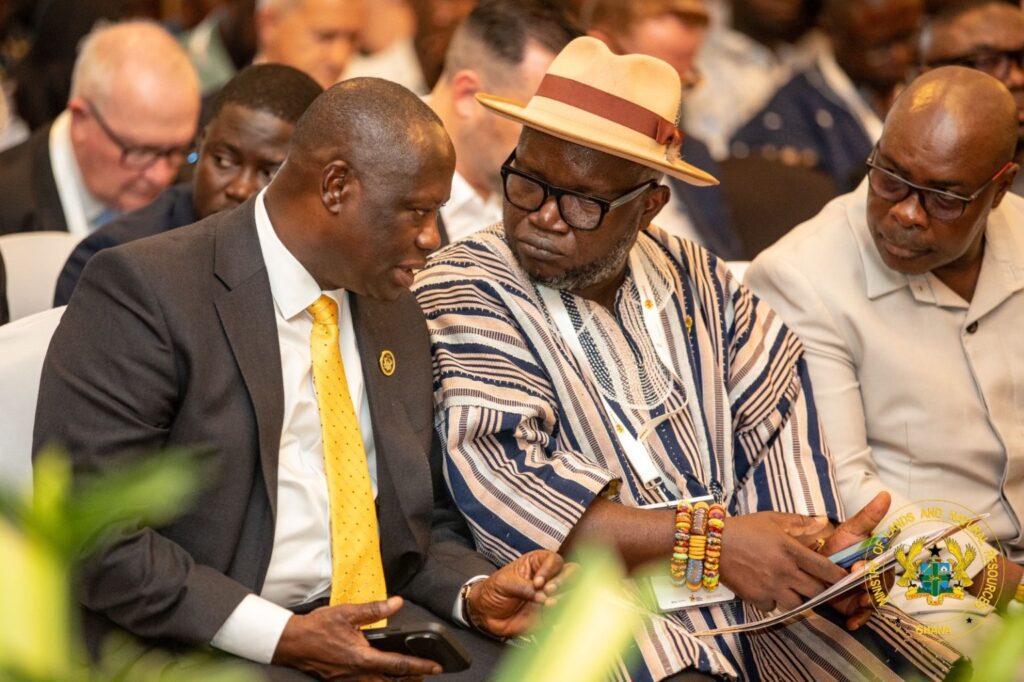
Complementing this operational flow, the Director for Responsible Mining and Sustainability, Prof. Ishmael Quaicoe, emphasized that “gold entering the formal supply chain” must strictly adhere to international environmental and ethical standards to safeguard host communities and ecological health.
Financial integration remains another critical pillar of the GoldBod paradigm, as demonstrated during the Director of Finance’s presentation on financial operations.
By channeling gold transactions through official state mechanisms, GoldBod directly boosts national foreign exchange inflows and plays a direct role in “supporting the stability of the Ghanaian cedi.”
This economic stabilization mechanism, combined with rigorous enforcement led by the Deputy Commander of the GoldBod Taskforce, demonstrates how proactive state oversight and strict compliance can convert raw mineral potential into tangible macroeconomic resilience and lasting monetary stability.
Fostering South-South Cooperation for Strategic Resource Sovereignty
This bilateral consultation represents a critical shift toward South-South cooperation in natural resource management, moving away from heavy reliance on Western regulatory templates and external advisory bodies.

The Namibian delegation’s head noted that GoldBod’s experience is “particularly relevant to the country’s ongoing efforts” because it demonstrates how a sovereign African nation can actively organize, monitor, and retain value from its precious metals.
As Namibian authorities work to synthesize these legal, financial, and enforcement insights, Ghana’s proactive gold governance framework offers a field-tested blueprint for sovereign resource control across the continent.
READ ALSO: GH¢720 Port Cap Puts Ghana’s Trade Costs Under Scrutiny