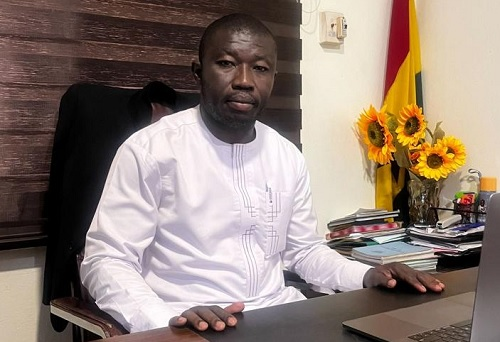
Secretary-General of the Parent-Teacher Associations, Raphael Kofi Gapson, has argued that Ghana’s recurring school placement crisis stems fundamentally from decades of concentrated infrastructure investment in a small number of schools, insisting that the Computerised School Selection and Placement System (CSSPS) itself is merely a symptom rather than the underlying cause of the problem.
Addressing concerns raised over this year’s placement exercise, including reports of students placed as far as 180 kilometres from their homes despite being designated day students, Gapson acknowledged that while some individual complaints may be exaggerated, the broader system has created conditions that allow such stories to proliferate, whether genuine or fabricated.
Gapson was direct in distinguishing between the placement system itself and the deeper structural problem it reflects, cautioning against treating CSSPS as the source of the crisis.
“We should all admit that the CSSPS is not the disease, it is just the thermometer,”
Raphael Kofi Gapson
Concentration of Resources in Few Schools Identified as Core Problem
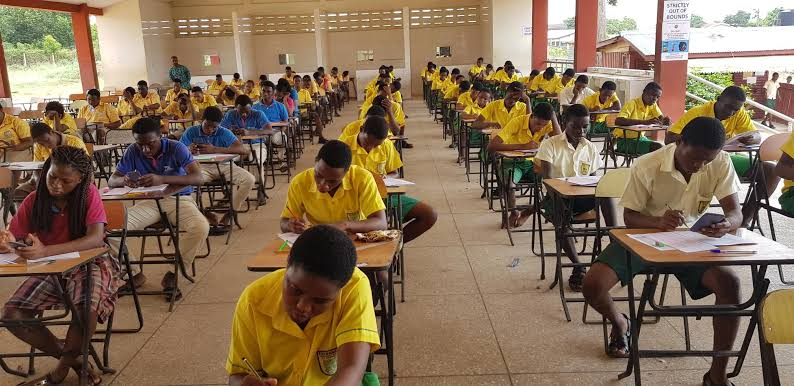
According to Gapson, the real problem lies in the fact that Ghana has a maximum of around 40 to 50 genuinely well-resourced schools, alongside hundreds of other institutions that have effectively been neglected over decades.
He argued that this concentration of resources, rather than academic grading itself, is what drives parental resistance to placement in Category B, C or D schools.
“When we deliberately concentrate resources in a particular system against the others, we promote an apartheid system of education, and that is why we find ourselves in this quagmire,”
Raphael Kofi Gapson
Equity Concerns Illustrated Through Regional Comparisons
Gapson illustrated the scale of the disparity by referencing the Head of State Award, an annual recognition given to the best-performing student in each region.
He noted that a student achieving an aggregate score of 11 in one region might receive the same award as a student achieving an aggregate of 6 in another, arguing that this discrepancy points directly to underlying differences in educational infrastructure and resourcing across regions, rather than differences in student ability alone.
He further argued that a child scoring an aggregate of 20 in an underserved area such as Bunkurugu deserves consideration for Category A placement on the basis of equity, given the comparatively limited resources available to that child during their basic education.

Three-Part Infrastructure Deficit Outlined
Gapson broke down the infrastructure debate into three interconnected components: physical infrastructure such as buildings, logistical and operational resources supporting school functioning, and the availability and quality of teaching staff.
He argued that these combined factors shape what he termed the overall “school climate” experienced by students.
On teacher distribution specifically, Gapson described it as a persistent and significant challenge, noting that individuals with influence have historically been able to secure teacher postings to locations where they are not necessarily needed, at the expense of schools with genuine staffing shortages.
He was careful to stress that this systemic deficit has developed over more than two decades and should not be attributed solely to the current administration.
Call For Broader Stakeholder Responsibility
Gapson extended a direct appeal to corporate Ghana, PTAs and alumni associations to redirect their influence and resources toward under-resourced Category C and D schools, rather than concentrating further support on already well-equipped institutions.
He argued that genuine progress in narrowing the gap between school categories would require these stakeholders to actively channel opportunities toward schools with the greatest need, rather than continuing to reinforce existing advantages enjoyed by already prominent institutions.
Gapson noted that government has now acknowledged the underlying structural issues driving the placement crisis, expressing cautious optimism that ongoing infrastructure projects represent a genuine attempt to address the systemic deficit.
He maintained that resolving the crisis permanently would require sustained, coordinated investment aimed specifically at closing the resource gap between the country’s most and least developed schools, rather than continued focus on adjusting the placement algorithm itself.
READ MORE: Government Officially Launches PRIMER, Presidential Initiative on Maternal Health