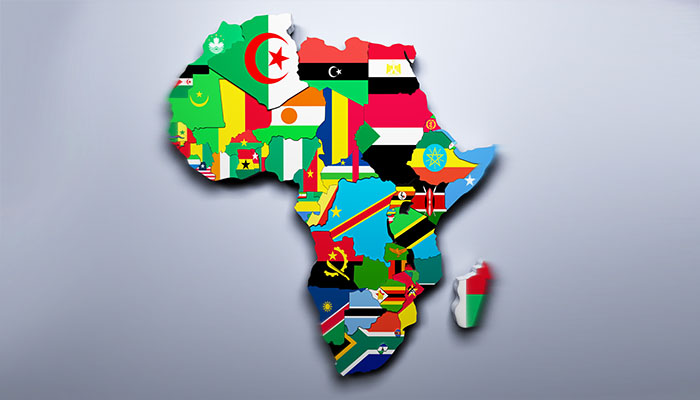
African governments have already identified many measures needed to help their agricultural sectors adapt to a climate that is becoming hotter, drier, and increasingly unpredictable, but turning those plans into practical investment remains a major challenge for the continent.
Across Africa, climate change is placing growing pressure on the systems that sustain food production and rural livelihoods, affecting agricultural productivity, water availability, soil health and food security.
While governments have incorporated adaptation priorities into national climate and adaptation plans submitted to the United Nations, a new continent-wide assessment suggests that the next phase will depend less on identifying needs and more on connecting those plans with finance, investment and coordinated implementation.
The assessment, “The State of African Agricultural Adaptation, 2016–2026: Assessment and Roadmap to 2036,” prepared by the AAA Initiative Foundation in partnership with the Food and Agriculture Organization of the United Nations (FAO), has placed the scale of the challenge in financial terms.
The report finds that 46 of the 53 African countries covered have estimated their climate adaptation needs at a combined $566 billion over the periods covered by their national plans, equivalent to approximately $56 billion annually on average.
At least $80 billion of that amount relates specifically to agricultural adaptation, although the report stresses that this is a minimum estimate.
Twenty-two countries currently account for agricultural adaptation within broader national adaptation totals, making it difficult to determine the full amount required specifically to make farming and food systems more resilient to climate change.
The figures illustrate a fundamental gap facing African climate policy. Countries are increasingly identifying the risks posed by climate change and setting out national responses, but plans alone do not automatically translate into resilient farms, protected water systems, stronger rural economies, or more secure food supplies.
The challenge, therefore, is increasingly one of delivery.
The assessment was presented at the headquarters of FAO during a high-level event marking the 10th anniversary of the Initiative for the Adaptation of African Agriculture (AAA Initiative), which was launched at the 2016 UN Climate Change Conference, COP22, in Marrakech.
A decade after the initiative was established, the anniversary provided an opportunity not only to assess progress but also to consider what must happen during the next ten years.
The roadmap to 2036 places particular emphasis on converting national adaptation priorities into investment-ready projects and ensuring that countries can access the financing and technical support required to implement them.
According to FAO Deputy Director General Godfrey Magwenzi, the relevance of agricultural adaptation had become even more pronounced as climate pressures intensified across the continent.
“The next decade must be a decade of delivery. This requires coordinated action at scale, driven by strong national ownership and better alignment between climate, agriculture, water and development policies – underpinned by science, innovation and locally adapted solutions.”
FAO Deputy Director General
Meanwhile, the financing challenge is equally significant. The assessment calls for stronger support to help African countries prepare investment-ready adaptation projects, recognising that identifying a climate vulnerability or establishing an adaptation priority is only an initial step.
Governments must also be able to develop projects that can attract and effectively use public and private finance.
From Climate Plans to Investment and Delivery
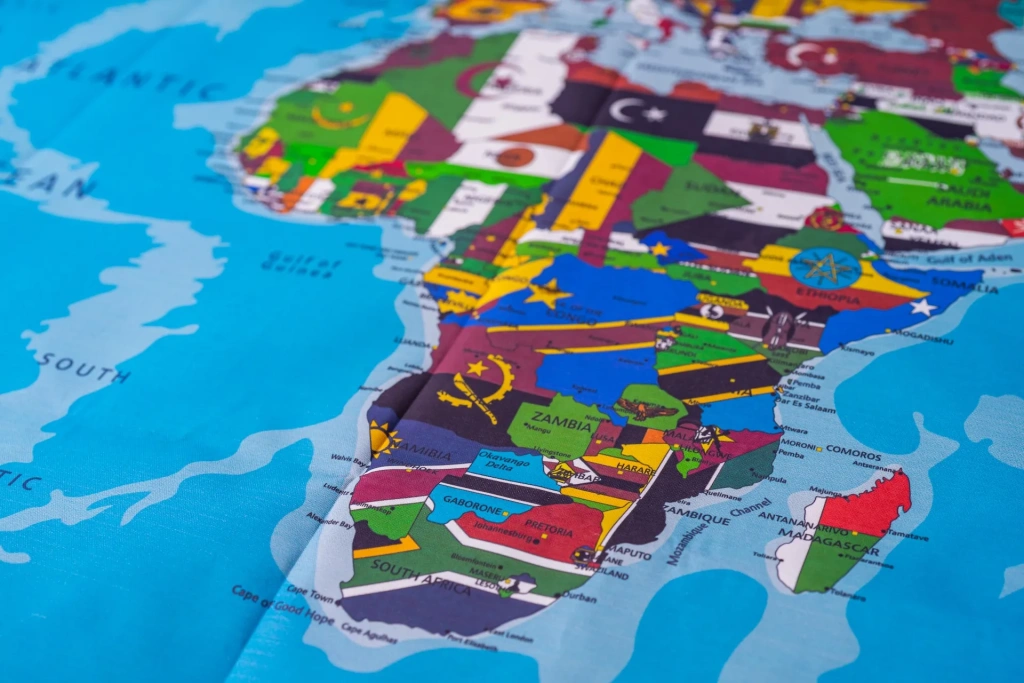
The central question emerging from the assessment is how Africa can move from climate adaptation commitments to implementation at the scale required.
The national climate and adaptation plans submitted by African governments to the United Nations already provide an important foundation. They identify vulnerabilities, adaptation priorities and, in many cases, the resources required to respond to climate risks.
But translating those priorities into action requires sustained financing and institutional capacity.
The assessment’s estimate of at least $80 billion for agricultural adaptation provides an indication of the scale of the investment challenge. Yet the figure does not capture the entire requirement because 22 countries incorporate agricultural adaptation within wider national adaptation estimates.
This means the financial needs of African agriculture may be considerably broader than the current agricultural-specific figure suggests.
The problem is not simply the availability of money. Countries also require the technical capacity to transform national priorities into projects that can be financed and implemented.
Rather than creating a new institution or fund, the proposed continental support is expected to work through institutions that already exist.
FAO is also expanding its support to countries seeking to embed agrifood systems solutions within adaptation plans and connect climate action in agriculture and food systems with finance and investment.
This includes the new project, “Supporting climate-resilient, inclusive and low-emission agrifood systems,” while the Food and Agriculture for Sustainable Transformation (FAST) Partnership, hosted at FAO, is supporting countries and members in strengthening capacity, identifying financial solutions and accessing finance for agrifood systems.
Building resilience therefore requires investment not only in individual farming practices but also in the systems surrounding agricultural production.
READ ALSO: M.anifest Drops New Single ‘On Ten’ with O’Kenneth and Wavypae