
Fresh concerns over the handling of the Power Distribution Services (PDS) investigation are putting the financial and contractual legacy of Ghana’s failed electricity distribution concession back under scrutiny, with energy policy analyst Benjamin Boakye arguing that disputed accounts between PDS and the Electricity Company of Ghana (ECG) should be reconciled before unresolved financial claims are treated as evidence of criminal conduct.
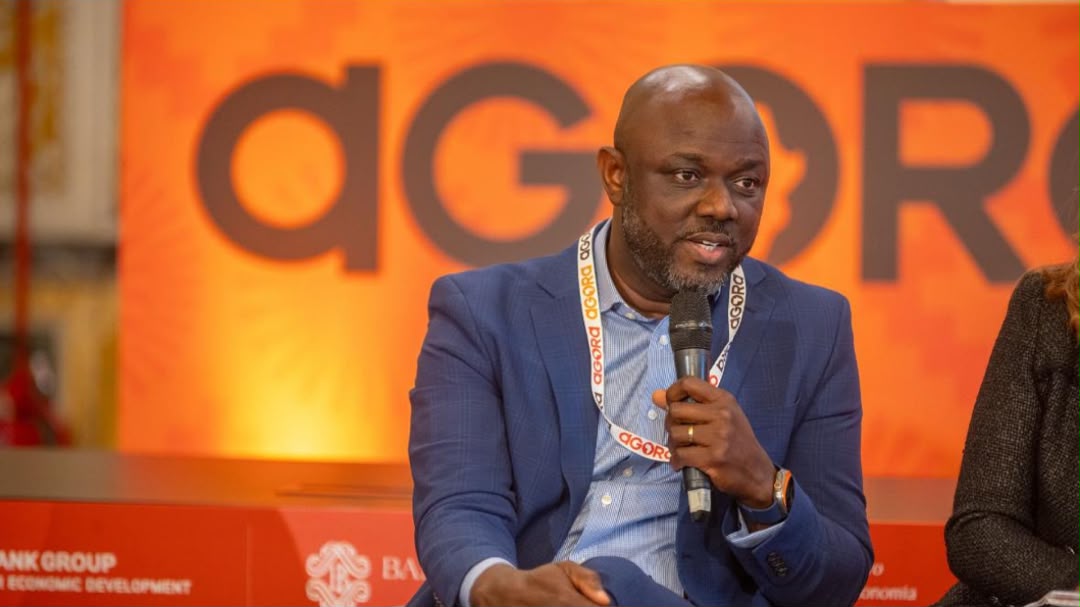
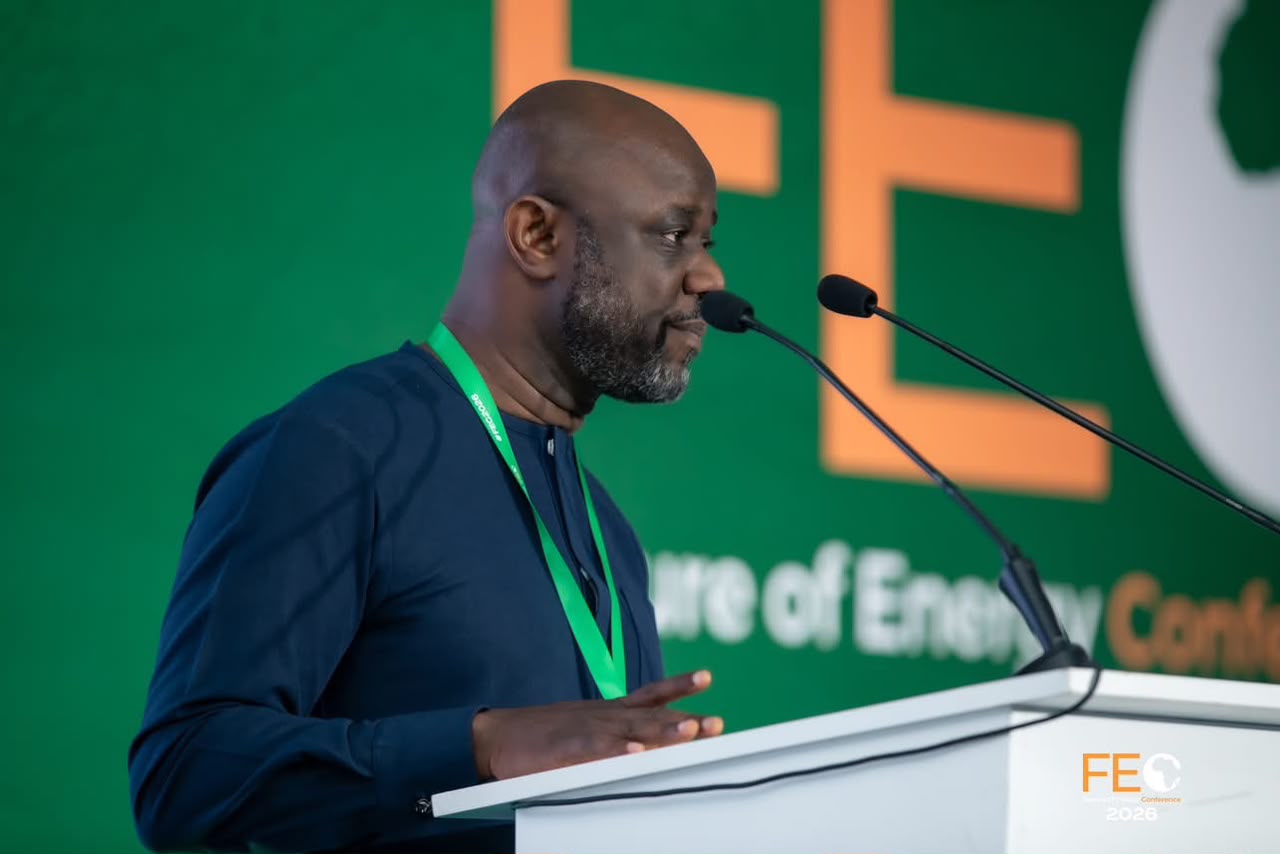
The Executive Director of the Africa Centre for Energy Policy (ACEP), writing on X after appearing on Newsfile, questioned aspects of the Economic and Organised Crime Office’s (EOCO) reported handling of the investigation, including alleged restrictions placed on PDS executives and lawyers, the reported freezing of private accounts and claims that funds from a frozen account were being transferred into an account controlled by the investigative agency.
His intervention brings the long-running PDS controversy back into the energy debate at a time when Ghana is already grappling with the financial consequences of inefficiencies within the electricity value chain and considering major reforms to the management of ECG.
The issue is therefore larger than the fate of one failed concession. At its core is a question about how Ghana determines what constitutes a recoverable commercial liability, what constitutes suspected financial crime, and at what point a disputed energy-sector account should move from contractual reconciliation into criminal investigation.
Reconciliation Before Criminalisation
Mr Boakye’s central argument is that the sequence matters.
He contends that where money is allegedly owed between two parties under a contractual arrangement, the first step should be to establish the actual financial position through reconciliation.
Criminal investigation, he argues, should follow where the reconciliation reveals evidence of deliberate wrongdoing rather than being used as the mechanism through which a disputed commercial balance is established.
That distinction is particularly important in the PDS case because the relationship between ECG and PDS was governed by several agreements and subsequently complicated by the 2019 Interim Protocol.
The publicly available arbitration award confirms that ECG and PDS entered into the Interim Protocol on August 8, 2019, after ECG had suspended the Lease and Assignment Agreement and Bulk Supply Agreement.
The protocol provided, among other things, for reconciliation of amounts due and owing between the parties for the period preceding its execution.
Mr Boakye argues that the existence of a disputed financial balance does not, by itself, establish criminal proceeds.
“The consequence of the Award is not that the money in PDS’ account has magically become criminal proceeds. The parties must first follow the dictates of the Protocol and establish, through reconciliation, what each party owes the other. That is fundamentally a civil and accounting matter. If, after that reconciliation, there is evidence that someone deliberately falsified accounts, diverted funds, stole money or otherwise committed a criminal offence, then by all means investigate and prosecute. But you cannot reverse the sequence: criminalise the disputed account first and reconcile it later.”
Benjamin Boakye, Executive Director, ACEP
The distinction is significant for Ghana’s electricity sector because ECG’s financial position has long been intertwined with government finances, payments to generators and the accumulation of liabilities across the electricity supply chain.
Any unresolved financial dispute involving the utility therefore has implications beyond the immediate parties.
What The Arbitration Established
The arbitration record adds an important layer to the current debate.
The tribunal confirmed that the Interim Protocol was a separate agreement from the original transaction agreements and concluded that it did not have jurisdiction over claims arising from or connected with that protocol.
The award records that the protocol was intended to establish a new regime after the suspension of the earlier agreements.

It also specifically notes that the parties agreed to a reconciliation of amounts due and owing between them for the period before the protocol was signed.
This does not, by itself, determine whether any subsequent conduct was criminal. Nor does it settle every allegation now being investigated.
But it does establish that the financial relationship surrounding the Interim Protocol involved contractual and accounting questions that were distinct from the issues over which the arbitration tribunal exercised jurisdiction.
That is the basis for Mr Boakye’s call for intellectual and legal separation between a disputed financial account and an allegation of criminal wrongdoing.
His position is particularly relevant because the PDS concession collapsed in 2019 after the government and ECG moved to terminate the arrangement following controversy surrounding the transaction’s conditions precedent and guarantees.
The subsequent arbitration examined several aspects of the contractual relationship between PDS and ECG.
The tribunal’s findings therefore form part of the factual history that any renewed investigation into the transaction must navigate.
The Energy Sector Stakes
The PDS controversy cannot be separated from Ghana’s broader electricity-finance problem.
ECG sits at the centre of the country’s power-distribution system. Its ability to collect revenue from customers determines how much money is available to meet obligations to generators and other participants in the electricity value chain.
When collections are inadequate, the resulting financing gap does not remain confined to ECG’s balance sheet.

It can affect payments to independent power producers, fuel suppliers and state-owned generators, ultimately creating pressure for government intervention.
That is why questions surrounding ECG-related funds have a broader public interest dimension.
A credible reconciliation process can establish what money is legitimately due, what liabilities exist and whether discrepancies arise from contractual disagreements, accounting failures, operational inefficiencies or deliberate misconduct.
A criminal process, by contrast, carries a different evidentiary burden and purpose.
Mr Boakye is therefore challenging what he sees as a potentially dangerous blurring of those functions.
“Investigation is not punishment, and bail conditions should not become punishment by another name.”
The comment reflects his broader concern about the use of investigative powers in the PDS matter, particularly where individuals remain subject to restrictions while the underlying financial questions are still being established.
Those claims about EOCO’s current handling of the case are allegations made by Mr Boakye and have not been independently established here.
Questions Around Frozen Accounts
Mr Boakye also raised questions about reports that EOCO had frozen accounts belonging to PDS, its executives and some lawyers connected with the transaction.
He further alleged that some executives and lawyers had been required to report to EOCO every three days while investigations continued, and questioned reports that funds from a frozen account were being transferred into an account under EOCO’s control.
These are serious claims and require careful distinction between what has been alleged and what has been legally established.
EOCO does have statutory powers relating to the freezing of assets in investigations, but such powers operate within Ghana’s legal framework and can be subject to judicial oversight.
For example, a separate 2026 High Court case involving EOCO resulted in an order unfreezing company accounts after the court found that EOCO had acted outside its statutory mandate in that particular matter.
That case does not determine the legality of EOCO’s actions in the PDS investigation. It does, however, illustrate why questions surrounding freezing orders and investigative powers can become matters for judicial scrutiny.
The PDS case therefore requires careful handling, particularly because the financial questions are connected to a strategically important public utility.
Why ECG’s Distribution Finances Matter
The controversy comes against a backdrop of persistent financial pressure within Ghana’s electricity sector.
ECG’s financial performance and revenue-collection capacity have become central to discussions about how Ghana can reduce the fiscal burden associated with the power sector.
The utility’s revenue position affects its ability to pay for electricity purchased from generators. Weak collections can create arrears, while arrears can subsequently increase the financial obligations carried by the state.
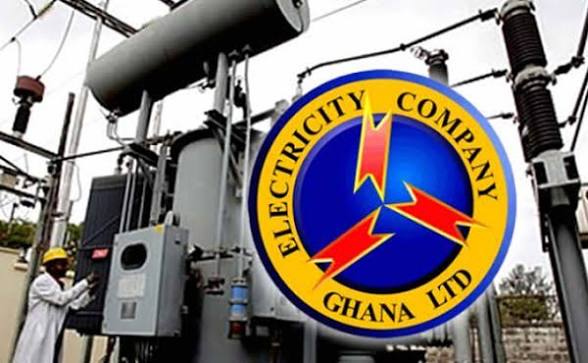
This creates a circular problem: government supports the energy sector to settle liabilities; utilities remain financially constrained; generators require payment; and consumers ultimately face pressure through tariffs, public expenditure or both.
The PDS case sits within this broader history.
The original concession was intended to bring private-sector management into electricity distribution, but its termination left ECG again responsible for distribution operations.
Years later, the country continues to debate how private capital, management expertise and improved commercial practices can be introduced into the distribution sector.
That makes the integrity of the PDS financial history especially important.
If disputed liabilities are not clearly established, the controversy can continue to generate uncertainty. If legitimate financial obligations are identified but not recovered, the public ultimately bears the cost.
And if genuine criminal conduct occurred but cannot be distinguished from ordinary commercial disputes, accountability becomes more difficult.
Beyond PDS: A Governance Test
The significance of the current controversy therefore extends beyond the individuals and institutions involved.
Ghana’s energy sector requires substantial investment, restructuring and institutional reform.
Investors and development partners need confidence that commercial disputes can be separated from criminal allegations and that public institutions exercise their powers predictably.
The same principle applies to state-owned utilities.
ECG’s financial sustainability cannot be built solely through tariff increases, government transfers or private-sector participation.
It also depends on transparent accounting, effective revenue collection, credible contracts and the ability to resolve disputes without allowing uncertainty to accumulate across the system.
The PDS episode offers a difficult lesson in that regard.
A concession involving a critical national utility ultimately produced years of contractual disputes, arbitration and continuing public controversy.
The longer the financial questions remain unresolved, the harder it becomes to establish a clean institutional record from which future reforms can proceed.
Mr Boakye’s intervention is consequently less about defending a particular commercial actor than about insisting on a distinction between financial reconciliation and criminal liability.
That distinction will matter as Ghana seeks to reform the electricity-distribution sector again.
“If there is evidence of professional misconduct or criminality, let it be established through due process. But an allegation about the level of professional fees cannot itself become a presumption of criminality.”
His comments specifically questioned the reported treatment of lawyers connected to the transaction, including allegations that they were being investigated partly over the level of professional fees charged for work associated with a complex transaction.
Those claims remain his characterisation of the investigation and should not be treated as established findings of wrongdoing.
The Bigger Question For Ghana’s Power Sector
The PDS dispute ultimately returns Ghana to a question that has repeatedly surfaced in the electricity sector: how can the country protect public resources while maintaining the commercial and institutional certainty necessary to attract investment?
There is no contradiction between investigating suspected financial crime and respecting contractual rights. In fact, the two objectives depend on one another.
A strong investigation should be capable of identifying where a commercial disagreement ends and criminal conduct begins.
Likewise, a sound reconciliation should not shield deliberate fraud, diversion or falsification if credible evidence establishes that such conduct occurred.
The challenge is maintaining that distinction throughout the process.
For Ghana’s energy sector, the stakes are considerable. The country is again exploring reforms to electricity distribution, confronting persistent sector-financing gaps and seeking ways to improve the commercial performance of utilities.
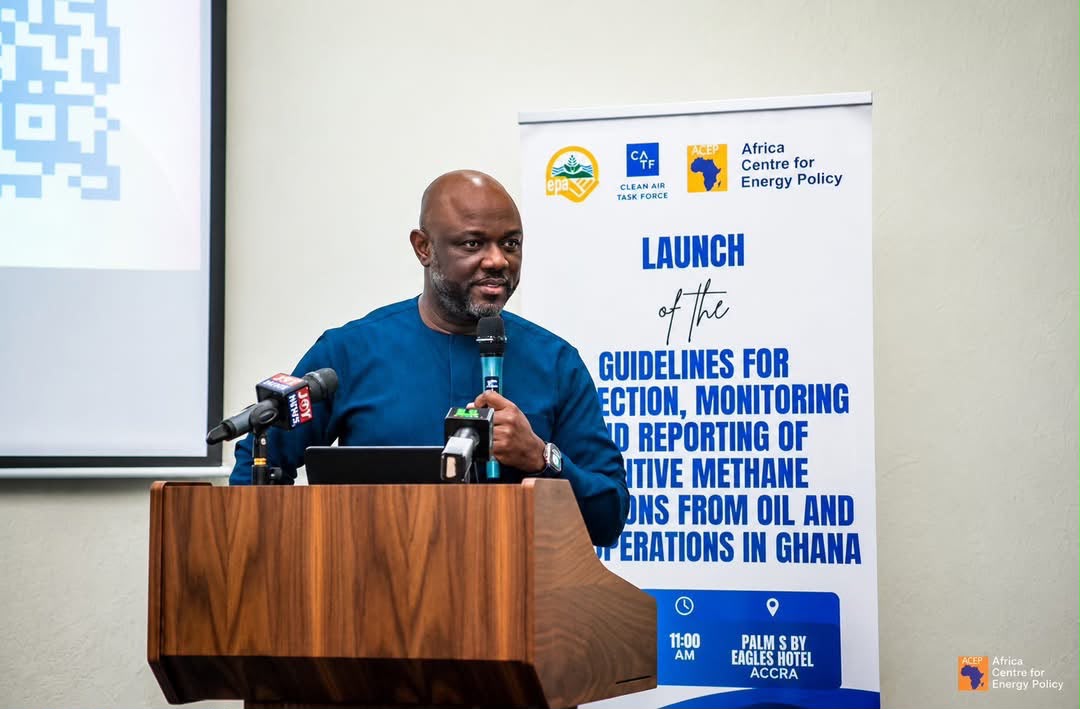
The PDS legacy therefore remains relevant not simply because of the money involved, but because it offers a test of how Ghana manages the intersection of energy policy, public finance, commercial contracts and criminal accountability.
Mr Boakye’s intervention has placed that question back in the public domain.
The ultimate resolution, however, will depend on the evidence produced by the investigation, the legal processes available to the parties and, critically, whether the underlying financial accounts can be established with sufficient clarity to distinguish money genuinely owed from money allegedly obtained through unlawful conduct.
For an electricity sector already carrying significant financial pressures, getting that distinction right is not merely a legal exercise. It is part of rebuilding confidence in the institutions responsible for managing one of Ghana’s most economically consequential public assets.