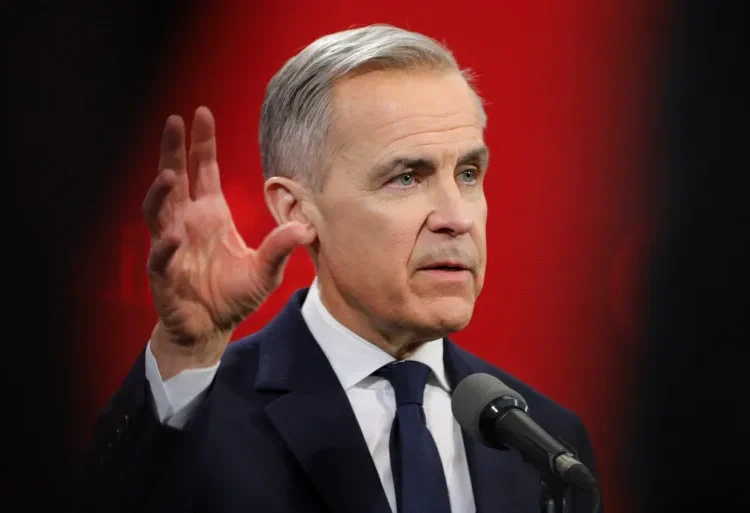
Canadian Prime Minister, Mark Carney is set to address the European Parliament today, a speech that comes as Canada and the European Union explore a significantly closer relationship amid growing tensions between Ottawa and Washington.
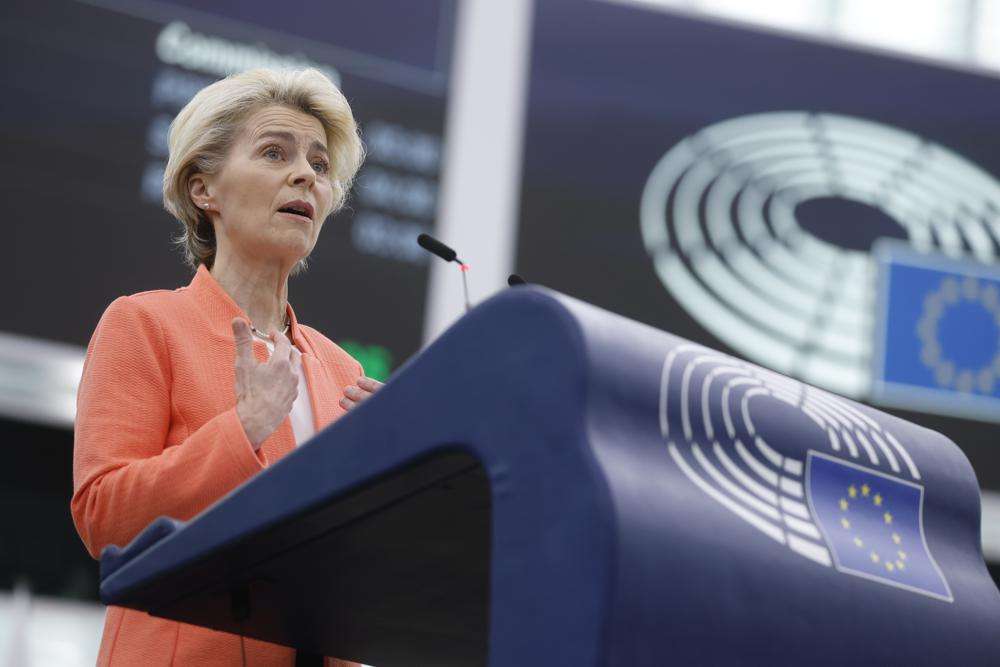
Carney’s appearance follows European Commission President, Ursula von der Leyen’s proposal to make Canada the European Union’s first associate member.
The proposed status does not currently exist under the EU treaties and would have to be created, leaving its precise terms and implications open for negotiation.
Von der Leyen said that Europe wanted to take its relationship with Canada “to the highest level possible,” as Ottawa seeks to strengthen its economic and strategic ties with Europe.
Canada is not seeking full EU membership, according to Jonathan Wilkinson, Canada’s Ambassador to the EU. He said that full membership would require Canada to surrender some sovereignty, while Ottawa instead wants to deepen cooperation with Europe without giving up its independence. Wilkinson said “We want to get as close as we possibly can” to Europe while increasing Canada’s independence.
The proposed associate membership could provide a framework for expanded cooperation across areas including trade, defence, technology, energy and critical minerals, although both sides have yet to determine what the arrangement would entail.
The proposal comes as Canada seeks to reduce its heavy economic reliance on the United States. Roughly 70% of Canadian exports are destined for the U.S. market, leaving Ottawa particularly exposed to changes in American trade policy.
Relations between the two North American neighbours have deteriorated amid an escalating trade dispute, U.S. tariffs and President Donald Trump’s repeated suggestion that Canada could become the 51st U.S. state. Canada has retaliated against U.S. tariffs while rejecting demands that Carney has said could threaten Canadian sovereignty.
The latest tensions followed the breakdown of trade negotiations between the two countries in late August. Canadian and U.S. negotiators had been engaged in discussions since July, but the talks ended without a final agreement, with both sides blaming the other for the collapse.

Carney said that “last-minute changes in the US proposed terms were unfair, uneconomic, and called into question the reliability of any deal.”
U.S. Trade Representative Jamieson Greer, meanwhile, said that Canada had “declined to finalise” the agreed terms despite what he described as a U.S. offer for Canada to receive “the best treatment of any major exporter to our market.”
Washington subsequently imposed tariffs on key Canadian sectors, including steel, aluminium and lumber, alongside an additional 50% levy on about C$28 billion ($20 billion) of Canadian goods. Ottawa responded with tariffs of up to 50% on approximately C$28 billion worth of American products, ranging from steel and furniture to cotton T-shirts.
Against that backdrop, Carney’s speech to the European Parliament is likely to draw attention to how far Canada intends to deepen its relationship with Europe and how Ottawa views its future economic ties with Washington.
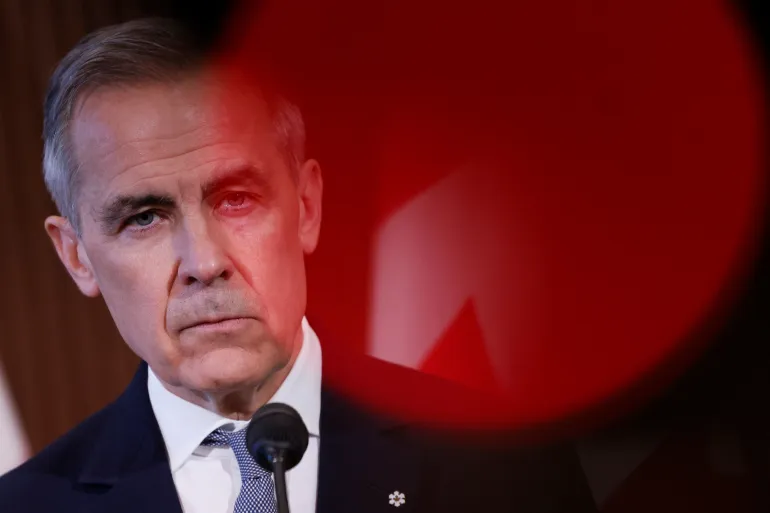
The Canadian Prime Minister has previously warned about the risks of excessive economic dependence on a dominant trading partner. Speaking at the World Economic Forum in Davos in January, Carney said that countries negotiating alone with a dominant power could find themselves in a weaker position. “When countries negotiate alone with a dominant power, we negotiate from weakness,” he said, adding, “We accept what is offered.”
Trump criticised Carney’s comments at the time, adding another layer of tension to the relationship between the two leaders.
Trump Threatens More Tariffs Over Canada’s EU Ties
Trump has warned that closer Canada-EU ties could trigger further trade measures against Europe, raising the stakes ahead of Carney’s address.
Speaking in Charlotte, North Carolina, Trump said that allowing Canada to become an associate member of the EU could constitute a “hostile act,” while threatening additional tariffs against the bloc depending on the intentions behind the proposal.
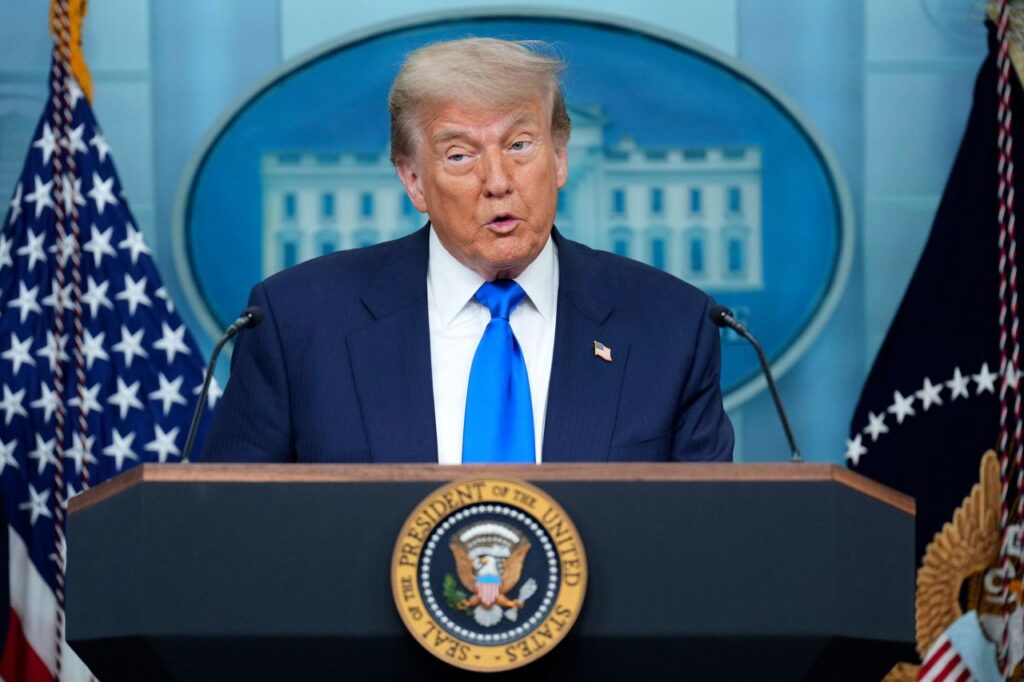
“If it’s a good intention, that’s fine. If it’s a bad intention, we’ll put very heavy tariffs on Europe.”
Donald Trump
He suggested that Washington could restrict trade with Europe in certain areas. Trump also dismissed the prospect of Canada joining the EU as “laughable” and described Canada as a “terrible trade partner.”
His remarks come as Canada and the United States remain locked in a trade dispute following the collapse of their latest negotiations.
The Canadian government is nevertheless moving ahead with efforts to strengthen its relationship with Europe. Carney is scheduled to host EU leaders at a Canada-EU summit in Montreal on October 29-30, where the proposed new relationship is expected to receive further attention.
The summit could provide an opportunity for Canada and the EU to discuss the practical meaning of associate membership and identify areas where cooperation can be expanded.
READ ALSO: Constitutional Review Implementation Committee Began Work On Day One, Targets November Timeline