Ghana could produce the first astronaut from the African continent, Foreign Affairs Minister Samuel Okudzeto Ablakwa has said, following the first visit to the country by Japanese astronaut and engineer Dr Koichi Wakata.
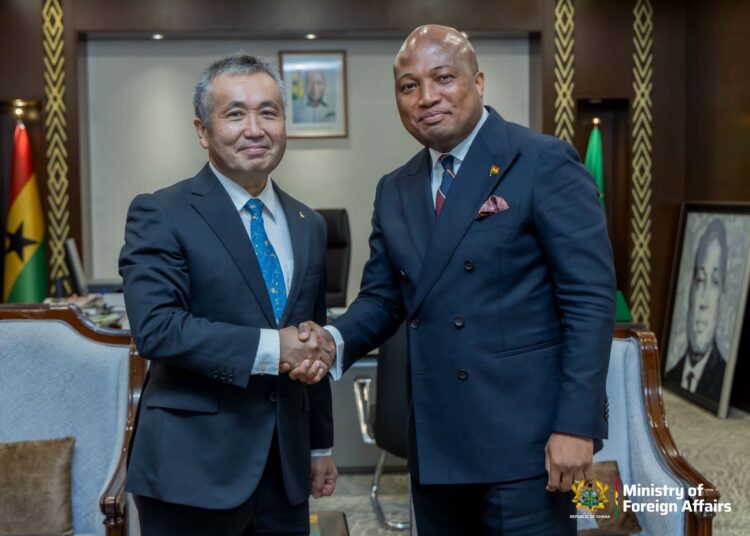
The North Tongu MP set out the ambition in Accra during Wakata’s stay from 15 to 19 September 2026, at a dinner held at the Ministry of Foreign Affairs after a courtesy call on the Minister.
The Minister anchored that aspiration in machinery he says is already taking shape, confirming that Cabinet has approved Ghana’s space science policy and that the structures to carry it are being created.
It rests on a space agreement he signed with Japan last year, which he presents as the foundation for building capacity in a field Ghana is entering from a standing start.
A Five Mission Career In The Room
Wakata arrives with one of the more decorated records in human spaceflight. He is the first Japanese astronaut to complete five space missions and the only one from his country to have accumulated 504 days in space.
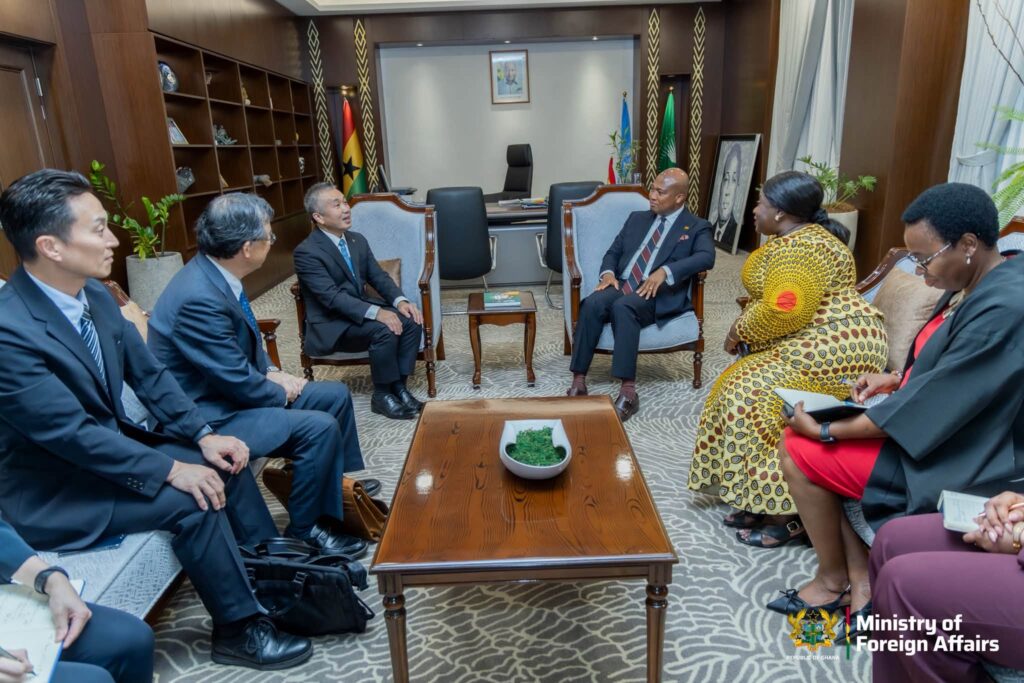
He also commanded the International Space Station during Expedition 39, becoming the first Japanese astronaut to hold that position. Having spent his career with Japan’s space agency, he left in 2024 and now serves as Chief Technology Officer for Asia Pacific at Axiom Space, the American firm building a commercial successor to the orbiting station.
That mix of state and commercial experience matters for a country still deciding how to enter the sector and which partners make the ambition affordable.
Cabinet Approves The Space Science Policy
The substantive announcement concerned Ghana’s own framework. “Cabinet has already approved Ghana’s space science policy and the relevant structures are being created,” Ablakwa said.
He tied that progress to the bilateral agreement concluded last year, framing Japan’s role as guidance through an early and uncertain phase. “Ghana is proud of the Space Agreement we have with Japan, which I signed last year as we seek to build Ghana’s space science capacity with Japan holding our hands during these initial years of baby steps,” he said.
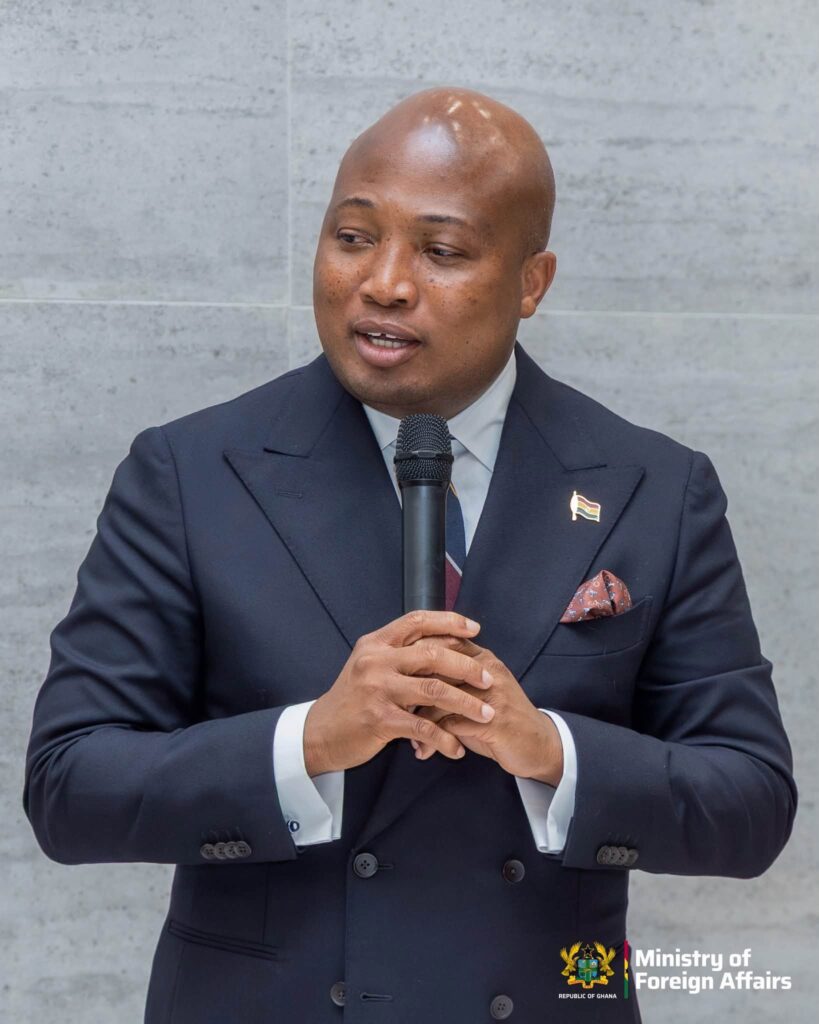
The Minister set that modesty against a larger claim about national character. “Ghana has never been a stranger to big dreams and big ambitions.”
He described the astronaut ambition as a journey rather than a near-term project, saying the engagement with Wakata could mark its beginning and hoping the visit would inspire a generation of Ghanaian scientists and engineers.
Why Satellites Matter To Ghana
Officials at the Ministry placed the ambition on practical ground. Chief Director Ambassador Khadija Iddrisu said space technology is becoming increasingly important to national development, noting that satellite systems and the data they generate already support communications, agriculture, environmental monitoring, disaster management and national security.
Her argument was that Ghana must take practical steps to use those technologies rather than remain a consumer of data produced elsewhere, which puts the case for a space programme on flood mapping and crop monitoring rather than orbit.
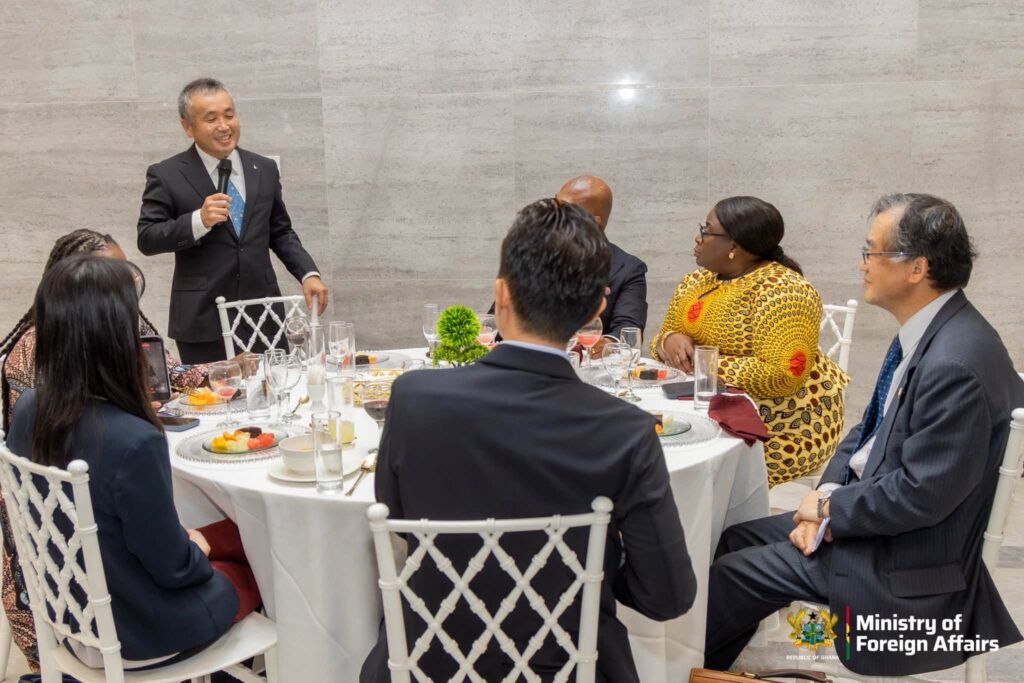
Hon Ablakwa struck a similar note on partnership, saying the Ministry is ready to coordinate international collaborations that advance Ghana’s national and strategic objectives, and stressing that space exploration requires cooperation among countries, scientists, engineers and institutions.
PRESEC Champions In The Audience
The Minister made a point of who was in the room. He invited the nine-time National Science and Maths Quiz champions from Presbyterian Boys’ Secondary School to meet Wakata, saying the intention was to expose them to his career and let them be inspired by it.
Wakata used the exchange to encourage the students to keep building their abilities in science, technology, engineering and mathematics, urging them to look beyond conventional career paths towards satellite technology, aerospace engineering and human spaceflight.
He also told them about the commercial station his company is developing and what it could open up for their generation.
Seventy Years Of Ghana-Japan Relations
The visit sits inside a longer diplomatic arc. Hon Ablakwa noted that 2027 will mark seventy years of formal relations between Ghana and Japan, recalling Japanese contributions to Ghanaian science, research and public health over that period.
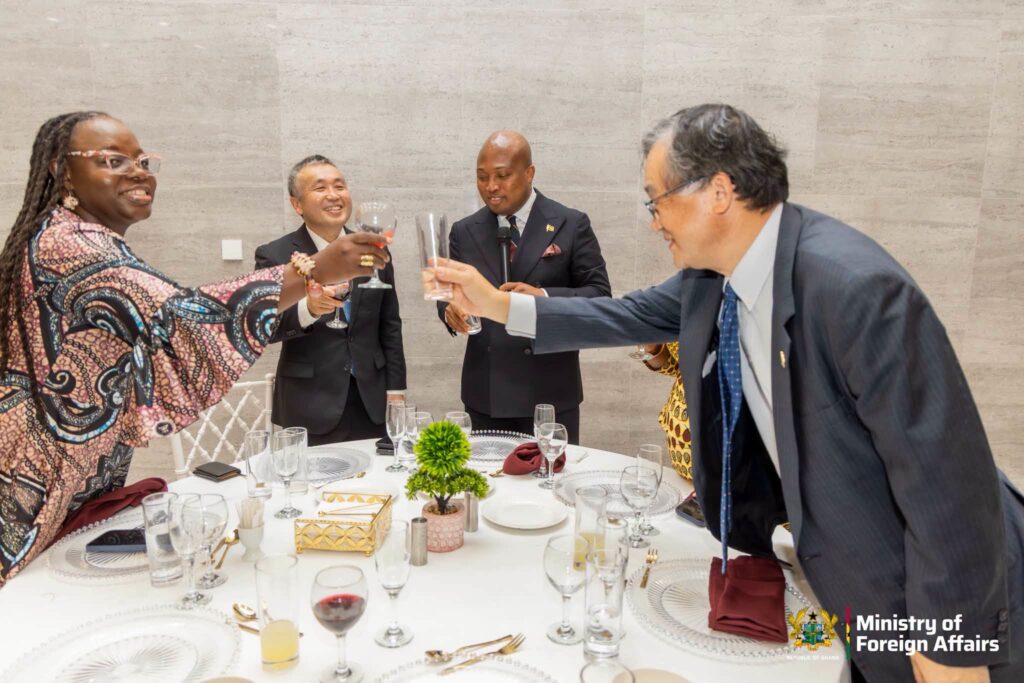
He conveyed appreciation to the Vice Chancellor of the University of Ghana, Professor Nana Aba Appiah Amfo, to senior lecturers from the university and to officials of the Japan International Cooperation Agency for attending at his invitation, signalling that the academic and development arms of the relationship are being drawn in.
What follows the policy approval is the harder part. Ghana now has a Cabinet-endorsed framework and a bilateral partner, and the test will be whether the promised structures arrive with funding, trained personnel and a clear institutional home rather than remaining an announcement.
READ ALSO: Ghana To Open First Parliamentary Museum to Public September 22