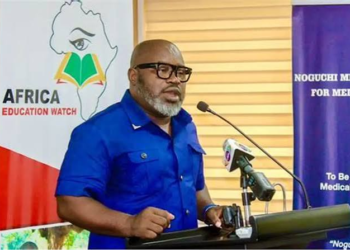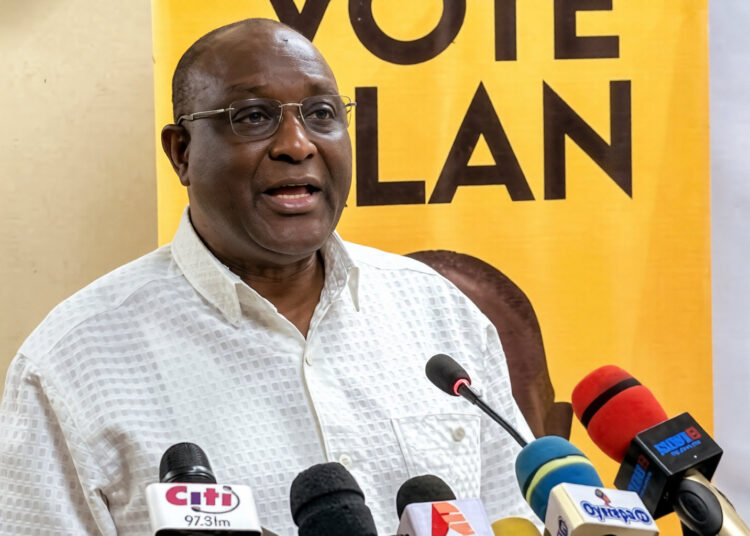
The Former Minister of Trade And Founder of United Party, Alan John Kyerematen has argued that the NPP’s 2024 election performance reflects a significant loss of support among people who voted for the party in 2020. Mr Kyerematen cited a figure of 2.1 million voters who, from his analysis, supported the NPP in 2020 and did not vote for the party in the 2024 general election.
The former Minister explained that the figure is significant because it represents a large section of the party’s previous support base. According to him, the NPP’s own post-election assessment identifies leadership and the party’s record as important reasons given by sympathisers who stayed away from the polls.
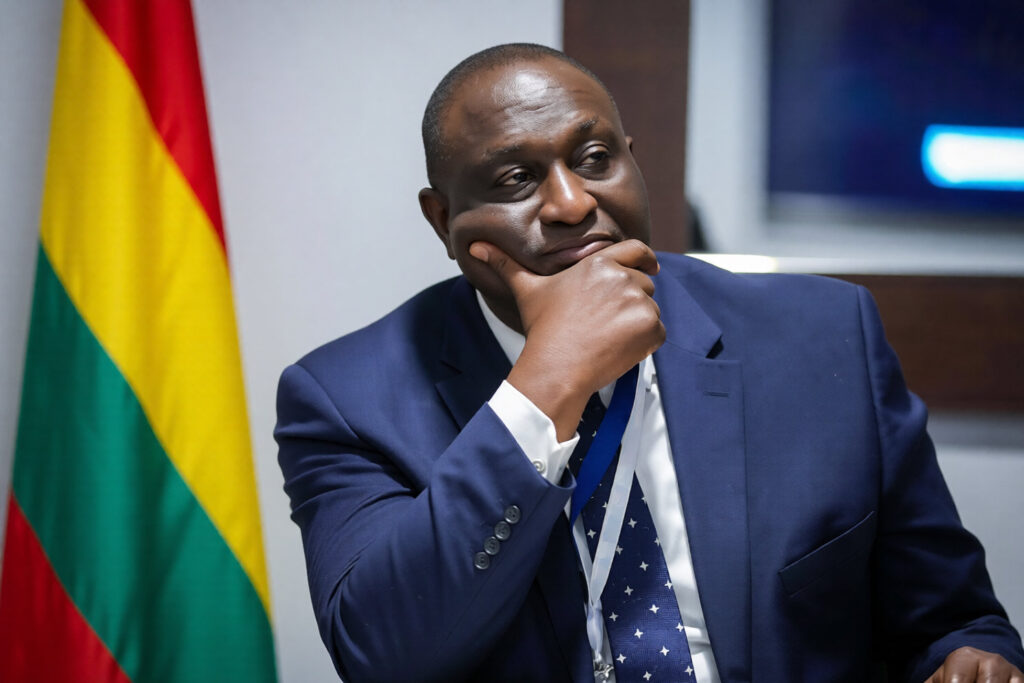
“2.1 million people who voted for NPP in 2020 failed to vote for NPP in the 2024 general and it has been established that majority of them didn’t vote because they didn’t believe in leadership.”
Alan John Kyerematen
From his view, the decision by those voters to stay away was particularly significant because the group did not simply transfer its support to the NDC. The former Minister therefore interpreted the development as evidence of a section of the electorate becoming disengaged from the NPP during the election.
Analysing the 2024 outcome, Mr Kyerematen also addressed why some of those voters did not support his political movement. He explained that public messaging at the time portrayed his independent presidential bid as one with limited prospects of forming a government, a narrative he believes influenced some voters.
That argument, according to him, helped create a situation where some former NPP sympathisers preferred to abstain from the presidential contest. The result, he suggested, demonstrates the effect that perceptions surrounding the viability of smaller political movements could have on voter decisions.
Referencing the difference between political allegiance and electoral participation, the Former Minister argued that people could remain sympathetic to a party while withholding their votes. Such behaviour, in his assessment, require political parties to examine the reasons behind voter disengagement alongside the headline election figures.
On this, Mr Kyerematen linked the NPP’s performance to questions of leadership and political credibility within its support base. He suggested that understanding why previous supporters participated in one election and stayed away in another is important to assessing the party’s electoral position.
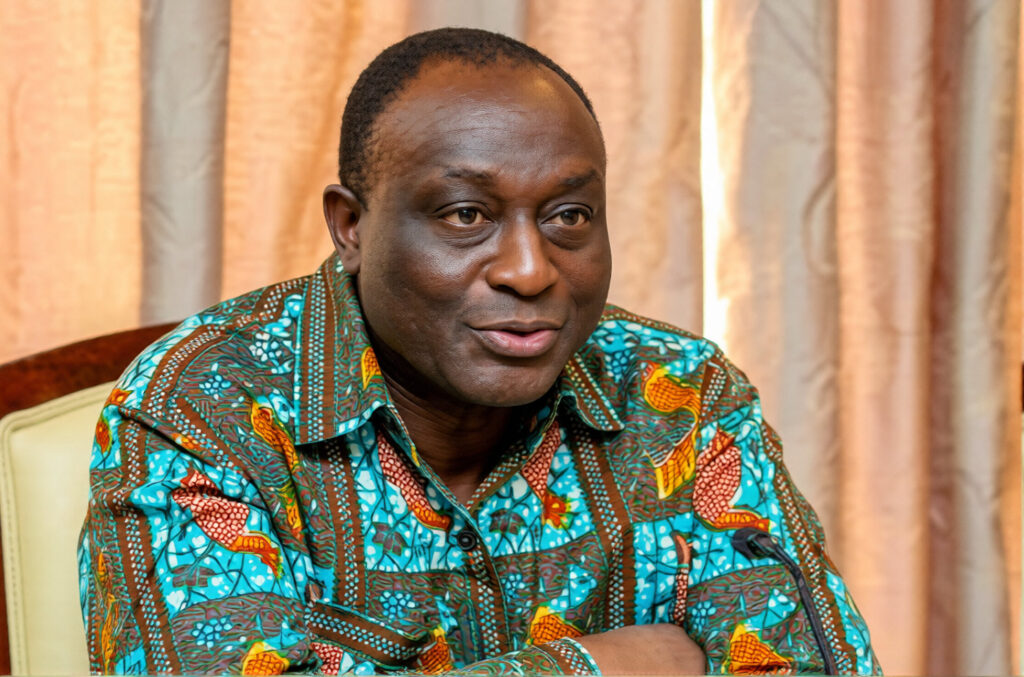
His assessment also placed the conduct of voters at the centre of the discussion about the 2024 election. The Former Minister indicated that the choices of people who abstained carried political significance because their absence from the ballot box affected the strength of the support available to the parties.
United Party Name Signals Ghana Wide Political Unity
The Founder of the United Party, Alan John Kyerematen also explained that the name of his political organisation represents an attempt to place national unity at the centre of its political identity. Mr Kyerematen stressed that the party was created as a vehicle for bringing Ghanaians together around a common vision and purpose.
The Former Minister of Trade drew a distinction between the historical United Party tradition and the political vehicle carrying the name today. He explained that his decision to leave the NPP was based on what he regarded as a “matter of principle” and his assessment that the party has moved away from values associated with the United Party tradition.
“But in NPP at that time and as it is now, my very humble opinion is that they’ve completely abandoned the original ideals, the moral order, and the values of the UP tradition.”
Alan John Kyerematen
Addressing the question of why a party formed after his departure from the NPP should carry a name associated with unity, Mr Kyerematen explained that the objective extends beyond bringing members of his former party together. The central idea is to create a political platform capable of appealing to Ghanaians across different political affiliations.
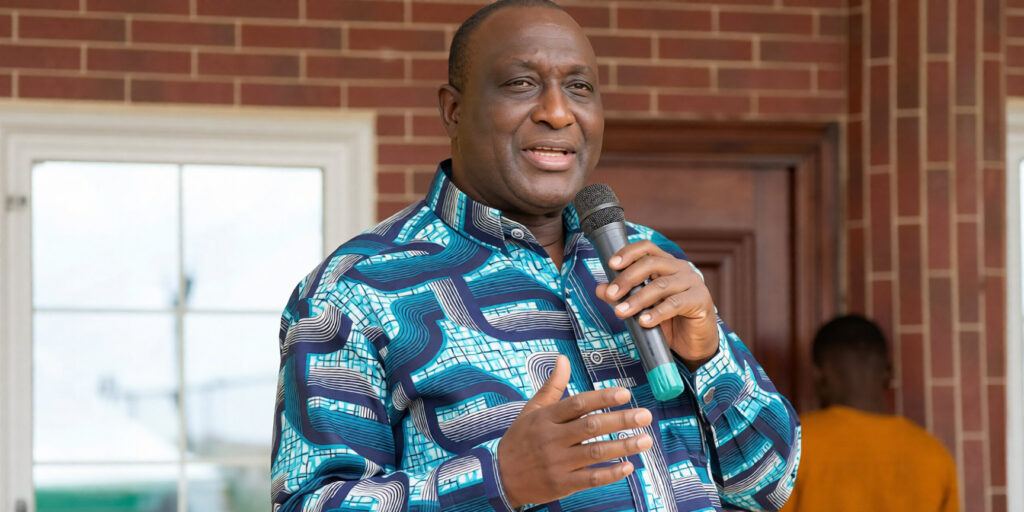
From his perspective, the United Party name therefore represents a national political proposition. The emphasis is on bringing citizens behind one common vision and a shared national purpose.
Alan John Kyerematen is a former Minister of Trade and Industry and a former leading member of the New Patriotic Party (NPP). He served in government under the NPP administration and was associated with the party’s political tradition before eventually leaving the organisation.
His departure from the NPP followed a disagreement over the direction and internal processes of the party, after which he pursued an independent political path. He later founded the Movement for Change and contested the 2024 presidential election as an independent candidate before establishing the United Party as a new political vehicle focused on national unity and a centrist political approach.
READ ALSO: UK Agrees to Provide Military Support to Saudi Arabia