The Nature & Development Foundation (NDF) has scaled up its grassroots drive for environmental governance by concluding high-level regional engagements aimed at combating irresponsible mining and forest degradation across Ghana’s resource-rich belts.
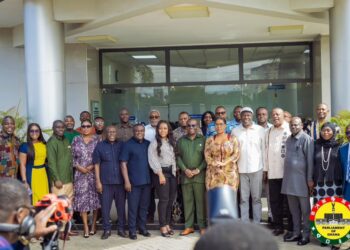
Convening key regional institutions, traditional authorities, civil society organizations, and local community representatives, the non-governmental organization successfully hosted consecutive dialogue platforms in Goaso, Ahafo Region, and Sefwi Wiawso, Western North Region.
These landmark forums established collaborative governance frameworks designed to curb pervasive illegal mining while safeguarding critical forest ecosystems for sustainable national development.
“Bringing together key regional institutions, traditional authorities, civil society organizations, and local community representatives, the forum addressed critical issues surrounding illegal and irresponsible mining.”
Nature & Development Foundation (NDF)
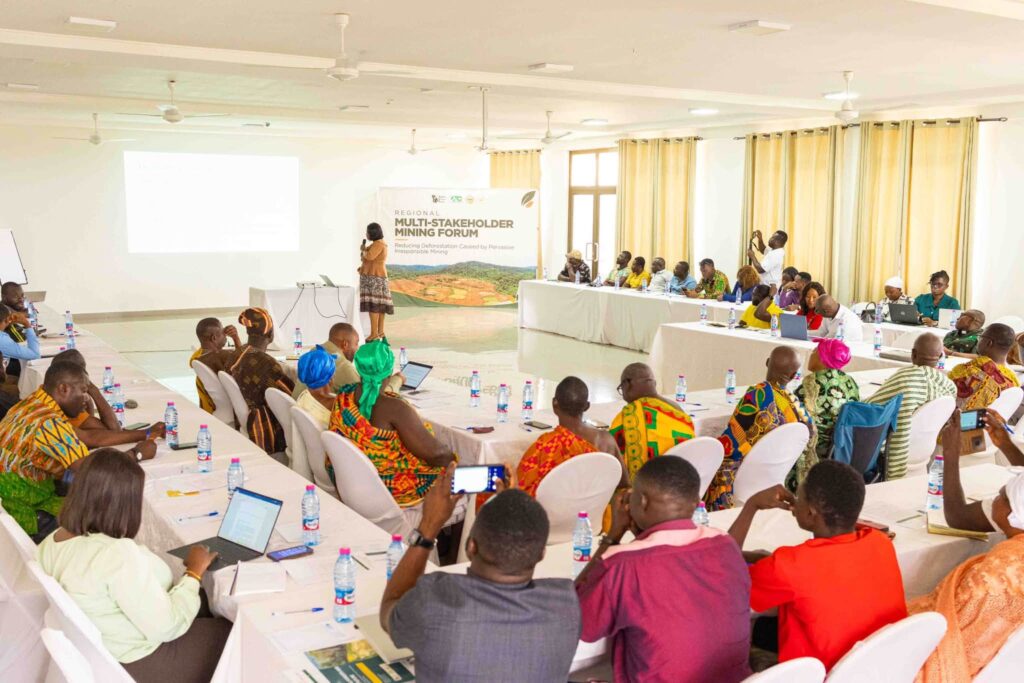
Expanding on this strategic campaign, the 2nd Regional Multi-Stakeholder Forum held in Sefwi Wiawso addressed the overarching theme: “Reducing Deforestation Caused by Pervasive Irresponsible Mining.”
Meanwhile, the forum in Goaso brought together more than 70 key participants, creating an inclusive space where licensed miners, informal artisanal operators, local authorities, and grassroots delegates forged joint commitments.
Both sessions prioritized institutional accountability and actionable solutions, ensuring that community leaders and regulatory bodies work in tandem to establish monitoring mechanisms capable of driving measurable, long-term change on the ground.
The Imperative for Regional Multi-Stakeholder Action
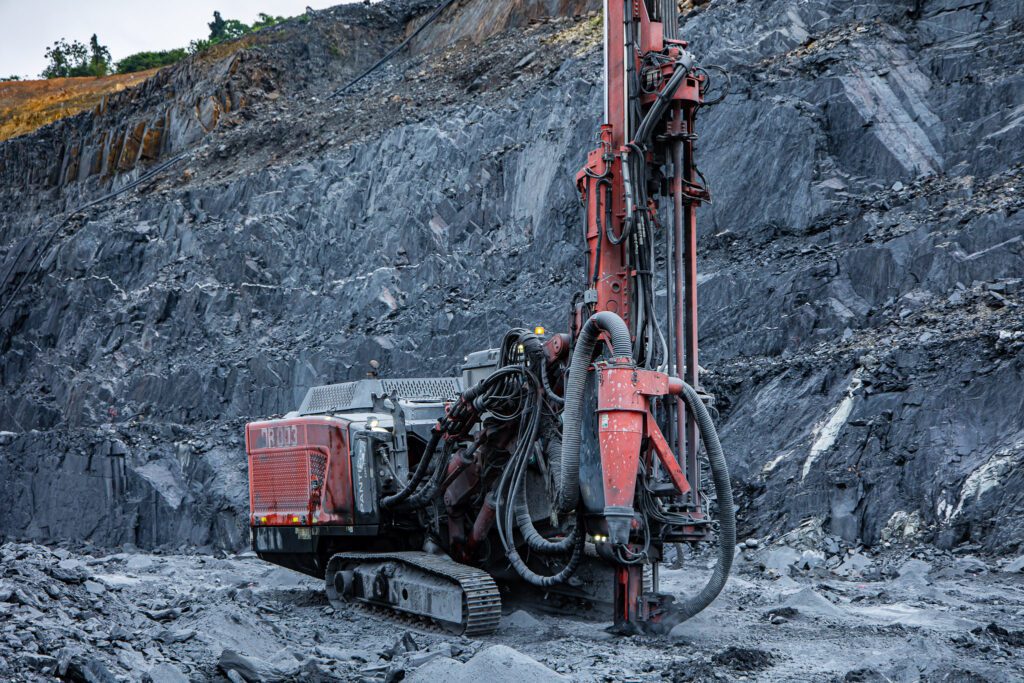
Ghana’s forest cover and freshwater bodies have faced severe pressure due to illegal artisanal and small-scale mining operations, commonly referred to as galamsey. Irresponsible extraction methods destroy primary tropical rain forests, deplete biodiversity, and contaminate critical river basins with heavy metals.
Because regulatory enforcement alone cannot fully monitor expansive rural concessions, NDF recognized the urgent necessity of bridging the gap between national policymakers and local communities.
By bringing artisanal miners directly to the table alongside traditional custodians, the foundation addresses the socioeconomic drivers of deforestation, turning local stakeholders into active stewards of forest health.
Collaborative Governance Drives Practical Solutions
Creating a sustainable extractive sector requires moving beyond top-down mandates toward localized, multi-stakeholder consensus.
During the engagements in Sefwi Wiawso and Goaso, NDF instituted clear operational roadmaps that assign direct responsibilities to municipal authorities, forest managers, and traditional councils.
These frameworks streamline conflict resolution, establish clear boundaries around forest reserves, and build local capacity to enforce environmental compliance.
By building trust among traditionally opposing groups, NDF ensures that economic livelihoods in mining regions do not come at the expense of environmental preservation.
Institutional Commitments and the Road Ahead
The successful conclusion of these forums marks a key milestone in Ghana’s broader natural resource management strategy.
To maintain momentum, NDF and its partners established robust follow-up mechanisms to track progress, monitor local compliance, and periodically review environmental indicators in affected forest zones.
These regional forums serve as a replicable blueprint for sustainable resource governance, demonstrating that transparent multi-stakeholder engagement can reconcile rural economic development with strict forest conservation standards across West Africa.
READ ALSO: Queiroz Cries Over Ivory Coast Penalty, Renard Unfazed by Excuses