
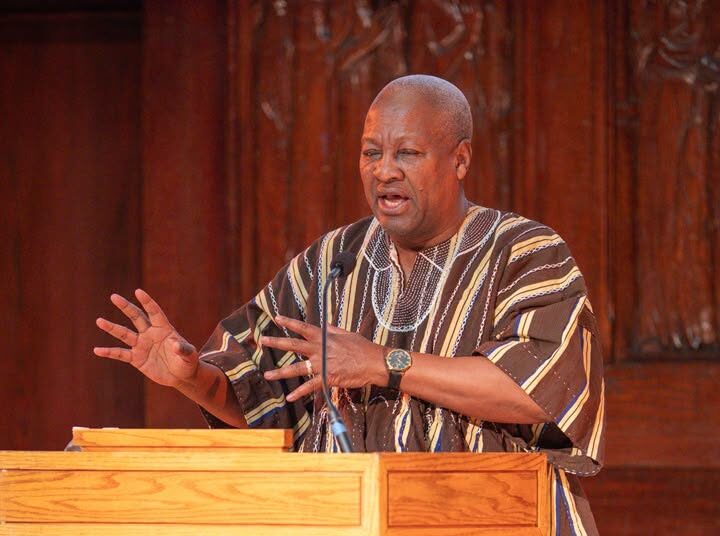
President John Dramani Mahama says government is preparing ten state-owned institutions for listing on the Ghana Stock Exchange, to tighten their governance and limit political interference in how they are run. He set out the plan at the Council on Foreign Relations in New York during his engagements around the 81st United Nations General Assembly.
He presented the listings as the next stage of a turnaround he says has already moved state enterprises from combined losses to a net profit of nearly 19 billion cedis last year under the State Interests and Governance Authority programme. Listing would also open the companies to Ghanaians abroad, who could buy shares on the exchange.
Ten Companies Headed For The Exchange
President Mahama gave two reasons for the policy. The first is governance, since companies admitted to the exchange must publish audited accounts, meet disclosure requirements and answer to shareholders rather than only to a ministry.
The second is the one he dwelt on. Ghana is a democratic country that experiences party turnover, he said, noting that his own side has lost power and won it back. Every incoming government dismisses chief executives, replaces boards and reshapes the institutions it inherits.
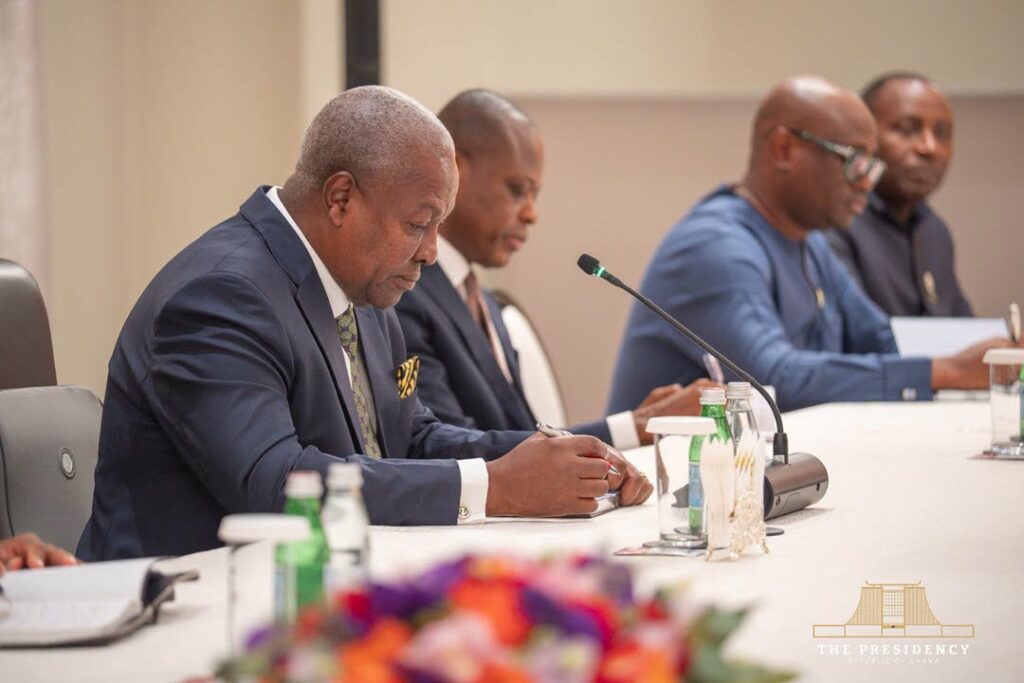
Listing more of these companies, in his argument, would make that harder to do. A board answerable to outside shareholders cannot be dissolved at the convenience of a new administration, and a chief executive with a share price to defend has a constituency beyond the appointing minister.
The Case For Market Discipline
His starting point was the reputation of state enterprises. There is a prevailing notion, he said, that employees are guaranteed a monthly salary regardless of performance, which dulls the incentive to work, and that the same institutions demand pay rises and bonuses even while posting losses.
The figure he offered as evidence of change is substantial. Where the portfolio previously recorded combined losses, it returned a net profit of nearly 19 billion cedis last year following the work of the State Interests and Governance Authority.
Sustaining that improvement is what the listings are meant to secure, by replacing periodic political attention with continuous market scrutiny.
The Finance Minister’s Groundwork
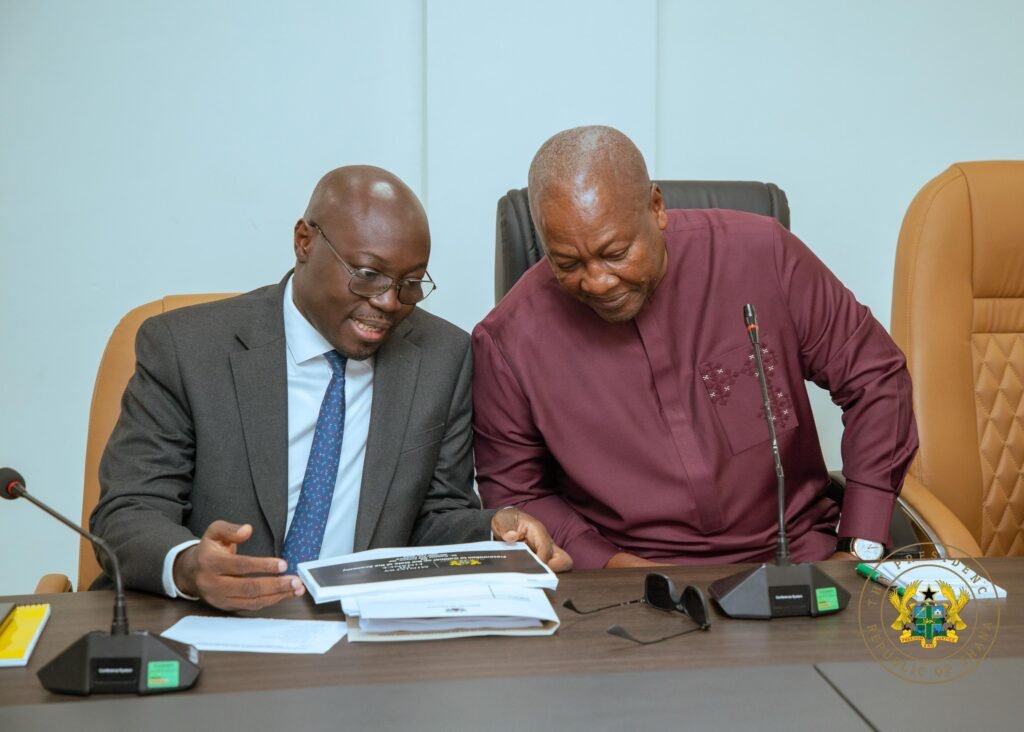
The policy has been taking shape since mid-year. Finance Minister Dr Cassiel Ato Forson set out the proposal after the 2026 Mid-Year Budget Review, and returned to it in an interview with Bloomberg Television from London on the sidelines of the Ghana-UK Investment Summit, placing it inside a wider strategy he calls the new economy.

He has been firm that the policy is not a sale. “We are assessing a number of SOEs. It’s not about selling, it’s not about shutting down; it’s about listing some of them on the Stock Exchange to improve governance and ensure profitability,” he said.
State-owned banks feature prominently. The Agricultural Development Bank is already listed, and the Minister has said government wants to deepen that holding by offering more shares, with the National Investment Bank among the institutions under consideration.
A Market On The Rise
The timing depends on the exchange’s performance. President Mahama described the Ghana Stock Exchange as the best-performing in Africa last year, said it has recovered, and pointed to three initial public offerings completed in quick succession.
That, in his view, makes it a good place to invest and a practical route for diaspora participation in companies their taxes have long supported.
The market has been less uniform in recent weeks, with turnover swinging sharply from one session to the next, and analysts have cautioned investors weighing the index gains to account for currency risk alongside them.
How Much Insulation Listing Buys
The political argument is the more interesting claim, and also the more limited one. Listing a minority stake leaves the state as majority shareholder, which means government retains the votes to appoint directors and set strategy. What changes is visibility rather than control.
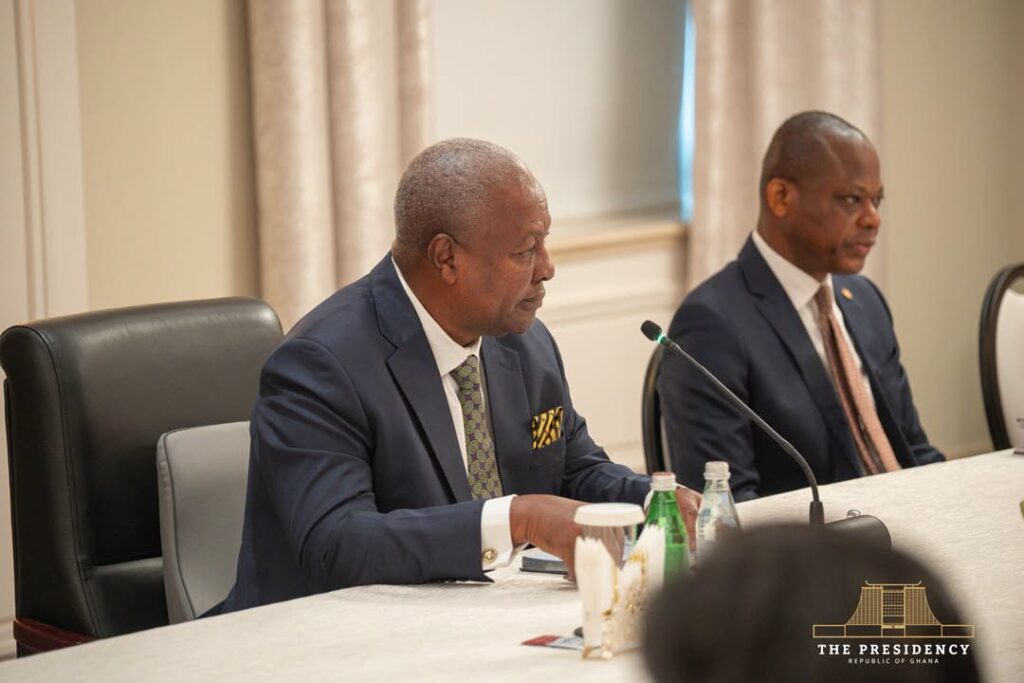
Minority shareholders, continuous disclosure and a published share price raise the cost of interference without removing the power to interfere. Whether that proves enough depends on which companies are chosen, how much of each is offered and whether the boards that emerge are permitted to act independently of the ministries that once directed them.
The list of ten has not been published. Until it is, the policy remains an intention with a strong rationale behind it, and the identity of the first company through the door will say more about the government’s seriousness than any statement made in New York.
READ ALSO: Ghana Urged To Rethink Debt-Funded Energy Transition