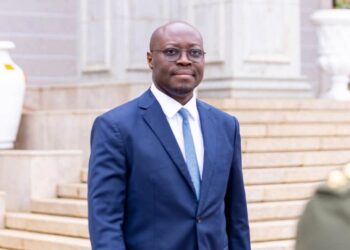
Chief Inspector Kwaku Walker Mensah has cautioned that repeated drug seizures cannot by themselves dismantle the trafficking networks behind narcotics entering Ghana. The Police Officer argued that investigations, intelligence gathering and cooperation among security institutions must accompany the interception of consignments.
Speaking in an exclusive interview with the Vaultz News, the Inspector emphasised that enforcement must look beyond the drugs recovered during operations. He compared seizures to treating a symptom without first identifying the underlying cause of an illness.
“If you don’t conduct proper investigations, coordinate and cooperate with one another, particularly among the security services, then repeatedly saying we will seize, will not enable us to control the situation.”
Chief Inspector Kwaku Walker Mensah
According to the security officer, every seizure should generate information capable of supporting further investigation. The focus therefore needs to extend from the recovered narcotics to the individuals, routes and networks connected to their movement.

This distinction becomes important as enforcement agencies record major interceptions involving cocaine and cannabis. A successful seizure removes a particular consignment from circulation while leaving investigators with the task of determining how the shipment entered the trafficking chain.
Analysing the situation, the Inspector stressed that intelligence sources can provide information that officers cannot obtain through seizures alone. Such information can assist investigators in identifying planned movements and understanding how trafficking operations are organised.
The need for cooperation also extends across security institutions. Police officers, narcotics control officials, customs personnel and other agencies can possess different pieces of information that become more useful when brought together during an investigation.
On this point, Chief Inspector Mensah emphasised coordination as an essential component of enforcement. Fragmented information can limit the ability of investigators to establish connections between separate trafficking incidents.
The recent interceptions consequently raise questions about what happens after drugs are discovered. Each seizure can become an investigative lead when authorities use the evidence to pursue the wider chain responsible for transporting and distributing the narcotics.
Referencing the quantities already intercepted, the Inspector indicated that seizures provide only a visible part of the trafficking problem. Other consignments may move through the system without detection, making intelligence essential for identifying activity that never appears in official seizure figures.
This places investigative work at the centre of long-term narcotics control. Evidence from intercepted shipments can support efforts to identify patterns and establish links between seemingly separate operations.
The Police Officer also stressed the value of information from people who understand trafficking activity on the ground. Intelligence from such sources can give investigators leads that support targeted enforcement and help uncover operations before drugs reach their intended destination.
Thus, the latest drug busts should also be viewed through the investigative opportunities they create. The recovery of narcotics can provide evidence, while subsequent investigative work determines whether that evidence contributes to disrupting the network behind the shipment.
Drug Enforcement Depends On Committed Security Personnel
Chief Inspector Kwaku Walker Mensah also identified the commitment and integrity of security personnel as an important part of Ghana’s response to drug trafficking. The Police Officer explained that strengthening enforcement requires institutions to recruit people who are genuinely committed to the responsibilities attached to their duties.
The Inspector linked the challenge to the growing demands placed on officers working against organised drug trafficking. As narcotics networks become more sophisticated, personnel entrusted with sensitive operations need the discipline and commitment to withstand the pressures associated with their assignments.

Chief Inspector Mensah therefore called for greater attention to the people being brought into security institutions. He indicated that recruitment should produce personnel who are motivated by the responsibilities of public service and prepared to carry out demanding assignments.
“We have to beef up security and we should employ loyal people.”
Chief Inspector Kwaku Walker Mensah
According to the security officer, personnel who enter the service primarily for financial reasons can create difficulties for institutions. He explained that commitment to the work remains important because officers may encounter situations requiring discretion, discipline and professional judgement.
The Inspector’s observation becomes particularly relevant when security agencies are dealing with narcotics operations involving valuable consignments. Because such investigations can involve sensitive information and coordinated enforcement activity, personnel must be able to protect operational information and perform their responsibilities responsibly.
Analysing the issue, Chief Inspector Mensah connected effective security work with the attitude of personnel recruited into the service. He suggested that institutional strength depends partly on having officers who understand the purpose of their work and remain committed to it.
This also places responsibility on security institutions to build professional standards alongside recruitment. Proper supervision, professional expectations and institutional discipline can help officers understand the seriousness of assignments involving drug trafficking.
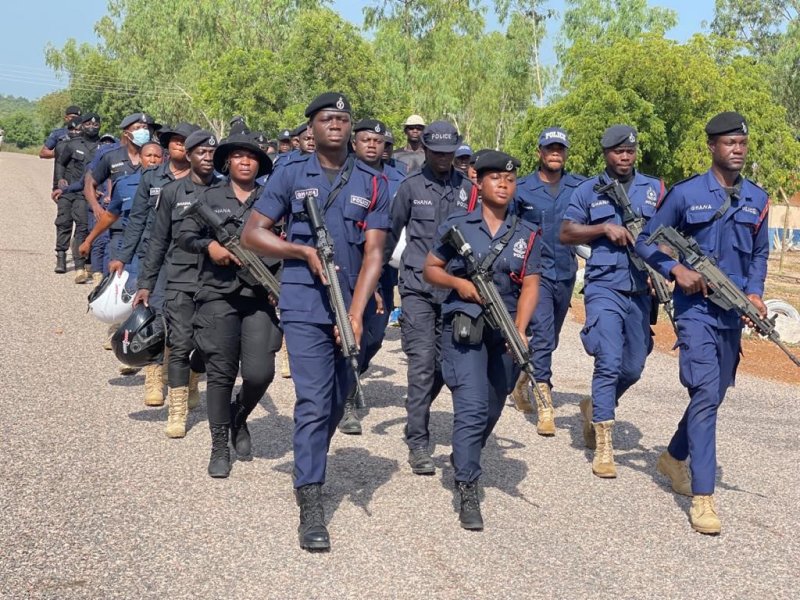
Furthermore, cooperation among security agencies requires personnel who can work responsibly with colleagues from other institutions. When police officers, narcotics officials and customs personnel share information, their individual conduct can influence how effectively the combined operation functions.
Directing attention to the recent narcotics interceptions, the Inspector indicated that the scale of the operations requires a security structure capable of responding to sophisticated trafficking activity. The personnel involved therefore need the preparation and commitment required to work within intelligence driven operations.
READ ALSO: Eric Tinkler Leaves Kotoko: Has the Coach Made the Right Call?