The United States and China have unveiled a list of goods recommended for tariff reductions following last week’s summit between US President Donald Trump and Chinese President Xi Jinping, signalling progress in efforts to ease trade tensions between the world’s two largest economies.
The proposed reductions cover $60 billion in bilateral trade, with $30 billion in imports from each country, and identify 77 Chinese goods and more than 1,600 US products for consideration for more favourable tariff treatment.
The lists, announced by the two countries, include a range of agricultural commodities, household goods and manufactured products, reflecting efforts to expand trade in less sensitive sectors amid continuing disagreements over technology and other strategic issues.
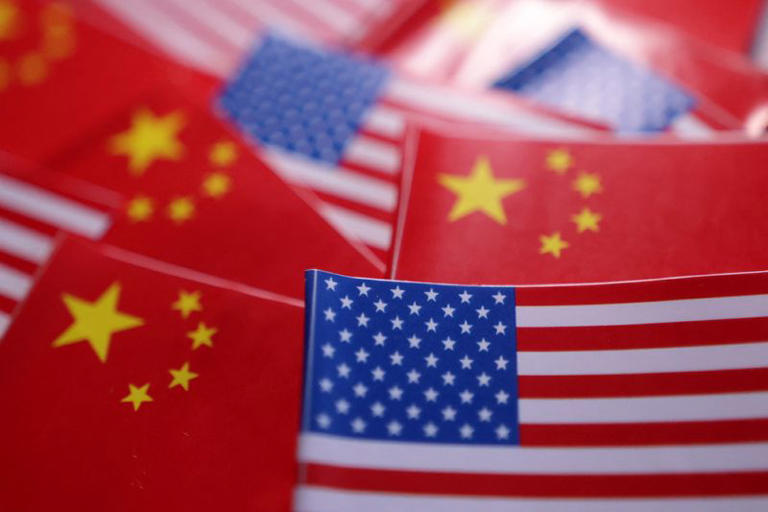
Chinese products identified for potential tariff reductions include microwave ovens, fish hooks, artificial flowers and weighing scales, while US exports on the list include poultry, dairy products, noodles, eggs, peanuts, canned tomatoes, pure-bred breeding horses and silk.
US Trade Representative, Jamieson Greer said that the proposed measures would improve access to the Chinese market for American exporters while providing benefits to US consumers through increased access to Chinese products.
“The Trump Administration will continue to pursue fair, balanced, and reciprocal trade with China by ensuring compliance with commitments on agricultural and energy purchases, pursuing balanced trade in non-sensitive goods, and securing market access for American farmers, manufacturers, businesses, and workers.”
Jamieson Greer
He noted that the recommendations would expand market access for American agricultural products and medical devices while reducing barriers affecting Chinese household goods and toys. “President Trump is unlocking improved market access for about 30% of U.S. exports to China, while benefiting consumers with imports from China of household goods, toys and other products that the United States generally does not import from other countries,” Greer added.
China’s Ministry of Commerce confirmed the list on Monday, shortly after the White House announcement, describing the proposed measures as part of efforts to establish a reciprocal tariff reduction framework. “This arrangement will help stabilize China-US trade, create better conditions for Chinese exports of relevant products to the US, meet domestic market demand, and strengthen trade cooperation in agricultural products, energy, manufactured goods, and consumer goods,” the ministry said in a statement.
The ministry added that the two sides would discuss “a reciprocal tariff reduction framework of $30 billion for $30 billion, aiming to reach a consensus.”
The proposed tariff reductions follow the summit between Trump and Xi, during which both leaders sought to maintain stability in bilateral relations. However, the meeting produced few major announcements on the broader disagreements between Washington and Beijing, including trade, artificial intelligence and Taiwan.
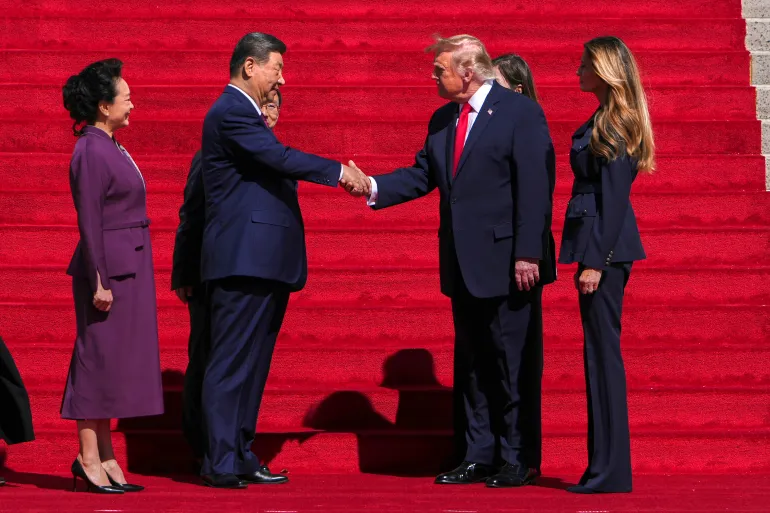
The latest development focuses on goods that both countries have identified for potential tariff relief, providing a framework for further negotiations as they seek to manage their economic relationship.
Trade between the two countries has declined substantially since Trump returned to the White House in January 2025, amid his administration’s tariff policies and its push for more reciprocal trade arrangements.
According to the US Trade Representative, bilateral trade totalled $495 billion in 2025, representing a 25 per cent decline from the previous year.
The proposed tariff framework could provide an opportunity to improve trade flows, although its implementation will depend on further discussions and agreement between the two governments.
US, China To Establish Agricultural Working Group By 2026
Alongside the proposed tariff reductions, Washington and Beijing are preparing to establish a new Agricultural Working Group to strengthen cooperation in agricultural trade following the Trump-Xi summit.
China’s Ministry of Commerce said the group’s inaugural meeting is expected to take place by the end of 2026, providing a platform for the two countries to address agricultural trade issues and explore opportunities for greater cooperation.
Agricultural purchases have traditionally been among the less contentious areas of US-China trade negotiations, compared with more sensitive issues such as advanced semiconductor technology and artificial intelligence.
The proposed working group is expected to provide a dedicated channel for discussions on agricultural trade, an important component of the economic relationship between the two countries.
The initiative also forms part of the broader effort to expand trade in agricultural products, energy, manufactured goods and consumer items, as outlined by China’s Commerce Ministry.
The agricultural initiative and proposed tariff reductions represent areas in which the two countries are seeking practical cooperation despite unresolved differences in their wider economic and strategic relationship.
Trump and Xi, who have held three face-to-face summits since October last year, are expected to meet again at the Asia-Pacific Economic Cooperation summit in Shenzhen, China, in November and at the Group of 20 gathering in Miami, Florida, in December.
The forthcoming meetings could provide further opportunities for the two leaders to review progress on the proposed tariff framework and other trade commitments.
READ ALSO: A Rocha Ghana Disputes Mahama’s Position On Galamsey Measures, Calls For Review