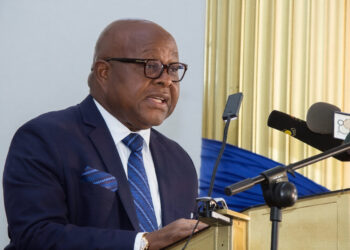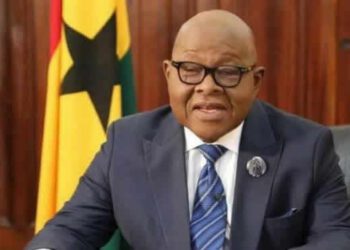
The Chief Executive Officer of the Fair Wages and Salaries Commission (FWSC), Dr George Smith-Graham, says negotiations with striking teacher unions have stalled because the unions are seeking the introduction of a new allowance, which he says falls outside the current transitional framework for reviewing conditions of service.
He explained that the FWSC’s transitional arrangement allows unions whose conditions of service have expired to identify and improve existing allowances, rather than undertake comprehensive negotiations on their conditions of service.
Despite the impasse, Dr Smith-Graham said the Commission remains willing to continue engaging the unions to find common ground, and hopes to conclude the process before the end of the week.
Speaking in an interview, Dr Smith-Graham said the FWSC is itself in a period of transition, and that this limits the scope of what can be negotiated at this time.
Dispute over a new allowance
“The transitional arrangement is that the Fair Wages and Salaries Commission is in transition, and so within this transitional arrangement there should be no holistic negotiations on conditions of service.”
Dr George Smith-Graham
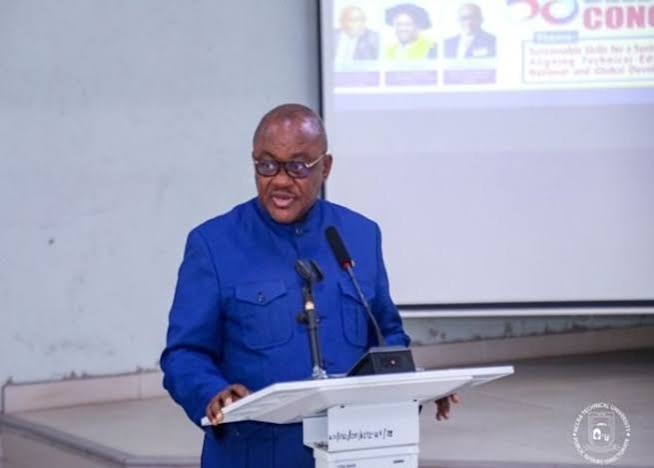
According to him, the arrangement requires the Commission to work with unions whose conditions of service have lapsed by identifying the allowances already attached to those conditions and enhancing them. The teacher unions, he said, are approaching the talks differently.
His comments come as the pre-tertiary teacher unions continue their strike over concerns about their conditions of service. The latest round of negotiations with the FWSC ended without agreement.
Dr Smith-Graham said the unions are asking for more than an upgrade of what already exists. In his account, they want a new allowance introduced, and this has become the main subject of the current discussions.
He maintained that this request goes beyond what the transitional arrangement provides for, and that it is the main reason the talks have not produced a deal. Asked why the negotiations with the teacher unions had proved harder than others, he pointed to the unions’ wish to move beyond the transitional framework.
“It is a struggle because maybe, to put it bluntly, they are trying to go out from the transitional arrangement that we have. That is what is bringing about the change.”
Dr George Smith-Graham
FWSC says it must keep engaging
The FWSC chief said the unions had been given a mandate by their members to pursue their demands. That, he said, made it necessary for the Commission to keep engaging them, even where the two sides differ over the scope of the negotiations.
He said the Commission has no option but to continue the discussions and to make clear to the unions the position it is working within.
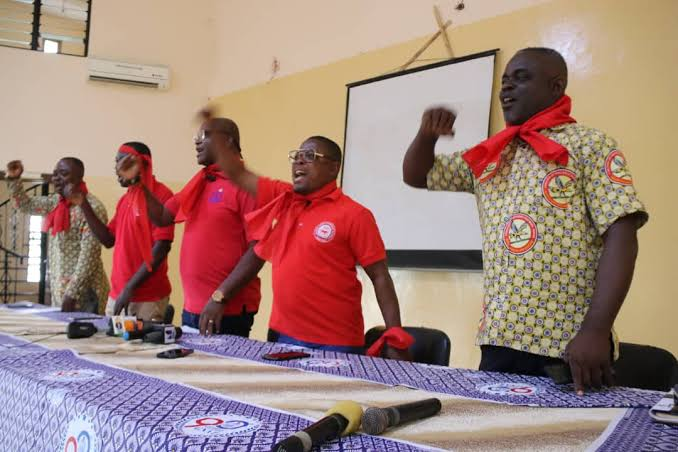
The Commission, he added, was willing to continue the talks in order to find common ground with the unions, whose members have been out of the classroom since the strike began on September 25.
Mandate from Finance Minister
Dr Smith-Graham also dismissed claims that the FWSC entered the negotiations without the necessary mandate from the finance minister. He answered with a flat denial and insisted that he had been given the mandate by the finance minister since January.
The question of mandate has been raised in connection with the talks, and the FWSC’s position is that it has the authority to negotiate on behalf of government.
To back his case, the FWSC CEO said the Commission had successfully negotiated with 59 unions and organisations this year. Many of those engagements, he said, were concluded within a few hours.
He used the figure to suggest that the difficulty with the teacher unions is not a weakness in the Commission’s negotiating process, but a result of the particular demands on the table.
Deadline for talks
Dr Smith-Graham stated that negotiations would continue and that the Commission hopes to wrap up the process by the end of the week.
His remarks came a day after the latest round of talks involving the FWSC, the Ghana Education Service and the teacher unions ended without agreement on Tuesday, October 6.
The unions began their nationwide strike on September 25 over outstanding concerns, including negotiations for a new collective agreement, promotion-related payments and the implementation of the Deprived Area Allowance.
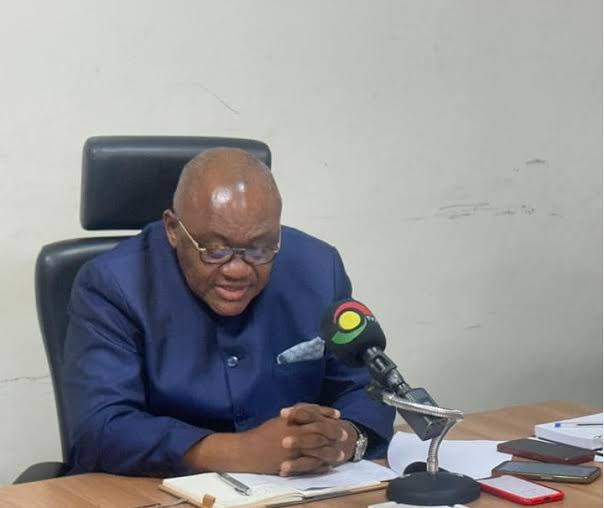
The unions have not yet responded to Dr Smith-Graham’s latest comments. It remains unclear whether they will accept the position that a new allowance falls outside the transitional framework, or whether the government will make room for it in the talks.
For now, teaching and learning in pre-tertiary schools remain disrupted, and parents and students await a breakthrough. Whether the end-of-week target is met will depend on how far either side is willing to shift.
READ MORE: MoGCSP Declares Zero Tolerance for Abuse, Warns Against Violence in All Forms