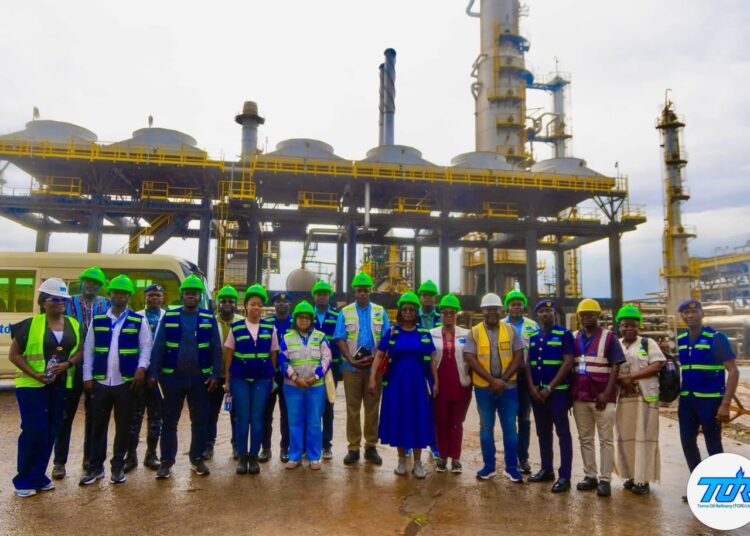
Uganda’s plans to establish domestic oil-refining capacity have brought a delegation from the Uganda Revenue Authority (URA) to Ghana’s Tema Oil Refinery (TOR), highlighting the role of operational knowledge-sharing as African countries explore ways to process more crude oil within their own economies.
The delegation, accompanied by Ghana’s Petroleum Commission (PC), visited TOR on October 21, 2026, as part of an information exchange programme.
The engagement provided the visiting team with an opportunity to learn about the refinery’s operations and the processes involved in converting crude oil into finished petroleum products.
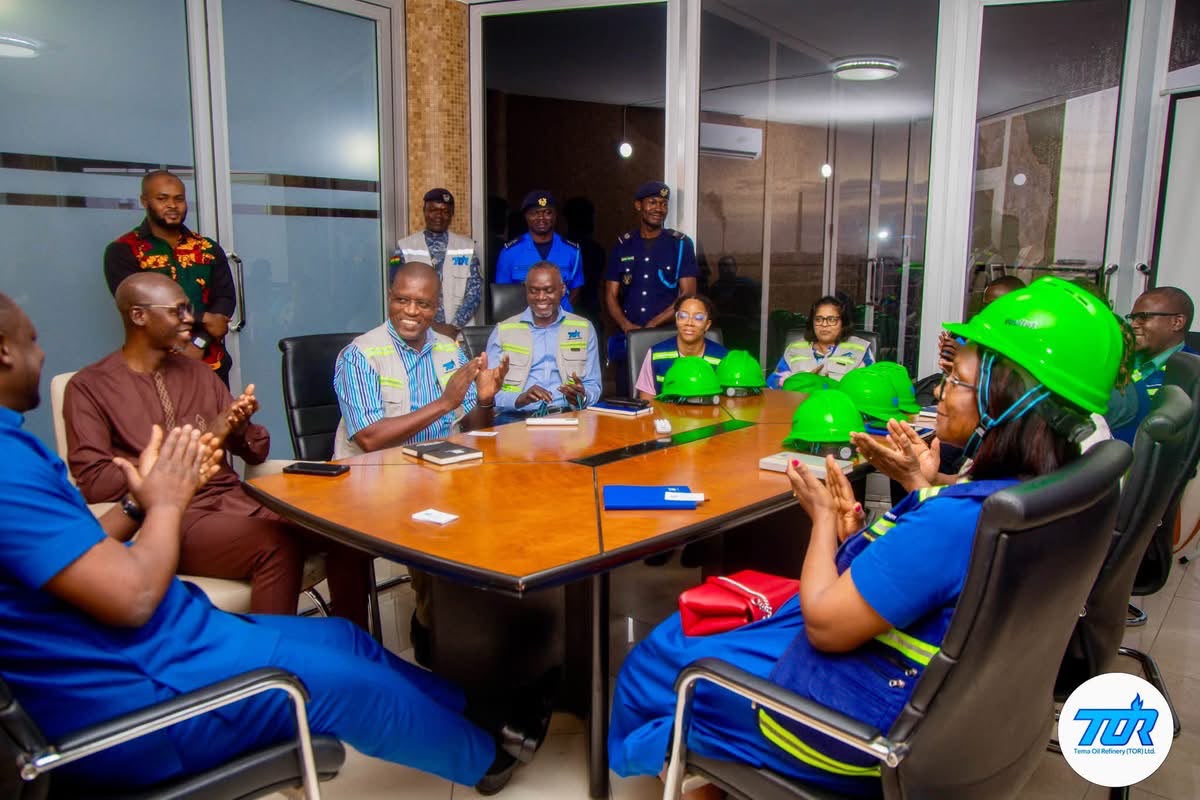
TOR Managing Director Edmond Kombat and Deputy Managing Director Alhaji Mustapha Batalima Abubakar received the delegation and discussed the refinery’s business, while the refinery’s technical team delivered a briefing on the stages of crude oil processing.
For Uganda, the visit comes as the country moves forward with plans to develop its own refinery.
The engagement could offer practical insights into refinery operations, although the announcement did not indicate that Uganda had adopted TOR’s model or entered into a formal technical partnership with the Ghanaian refinery.
Uganda Seeks Practical Refining Experience
The head of the visiting delegation, Arthur Musinguci, said the visit would help the team develop a better understanding of the stages involved in refining, particularly the processing of locally sourced crude oil.
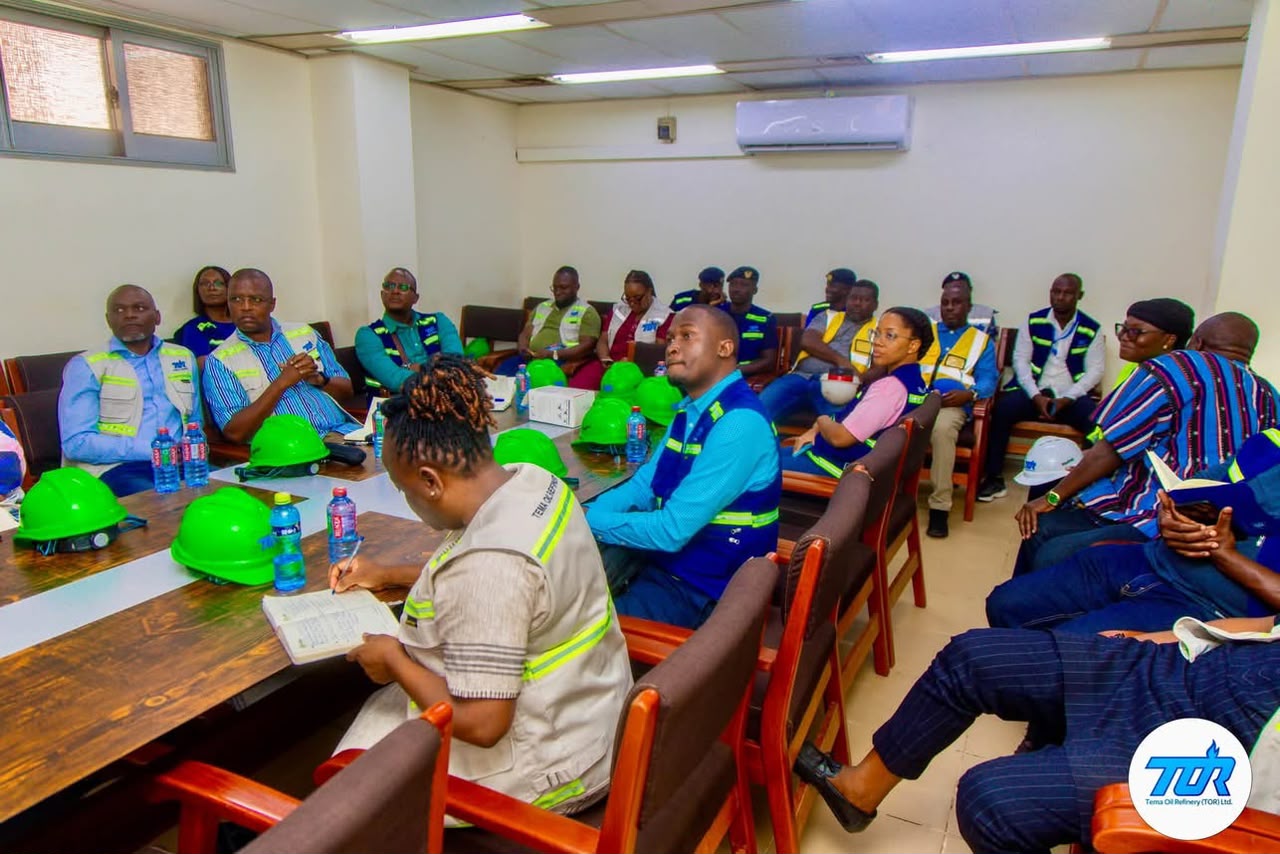
He also indicated that the delegation was interested in drawing on TOR’s experience as Uganda advances its refinery plans.
“The visit would help the team better understand the stages involved particularly in refining local crude oil.”
Musinguci’s remarks point to the importance of understanding the technical processes that underpin refining before a country commits to developing and operating large-scale processing infrastructure.
However, the technical knowledge required to operate a refinery represents only one part of the challenge.
The commercial performance of a facility also depends on dependable crude supplies, suitable infrastructure, efficient operations, access to markets and the ability to manage production costs.
The announcement did not specify whether discussions covered these commercial and financial considerations or whether the delegation focused primarily on the technical stages of refining.
TOR’s Experience and the Challenge of Domestic Refining
The engagement offers TOR an opportunity to share its operational experience with another African country seeking to expand its domestic petroleum-processing capacity.
For countries pursuing refining projects, exposure to an operating facility can help technical teams understand production processes and the practical requirements of turning crude oil into marketable fuels.

Such exchanges may also help identify operational questions that need to be addressed during project planning.
Yet the existence of a refinery does not automatically guarantee commercial success. A proposed facility must be designed around realistic demand, reliable feedstock supplies and a sustainable operating model.
These considerations become particularly important when governments seek to reduce dependence on imported refined products through domestic processing.
TOR’s technical team briefed the delegation on how crude oil is processed into finished petroleum products, according to the refinery’s announcement.
The statement did not provide further details about the specific technologies, operating practices or technical challenges discussed.
The distinction matters because the visit confirms an exchange of operational knowledge, but does not establish whether it will lead to technical cooperation, training arrangements or a formal agreement between the two countries.
Petroleum Commission’s Role in Regional Knowledge-Sharing
The Petroleum Commission’s participation in the visit also brought Ghana’s petroleum-sector institution into the engagement. Its presence provided an institutional link for the delegation as it learned about TOR’s operations.
However, the announcement did not outline a separate role for the Commission in Uganda’s refinery development plans, nor did it identify any regulatory cooperation or follow-up programme arising from the visit.
For the engagement to deliver lasting value, future exchanges would need to identify specific areas in which the institutions could cooperate.
These might include technical training, operational knowledge-sharing and structured engagement between relevant specialists, subject to agreement by the parties.
No such commitments were announced during the visit.
From Technical Briefings to Measurable Outcomes
The TOR engagement reflects a wider opportunity for African petroleum-sector institutions to share experience as countries seek to capture more value from their natural resources.
For Uganda, the practical value of the visit will ultimately depend on how the information gained informs its refinery planning and operational preparedness.
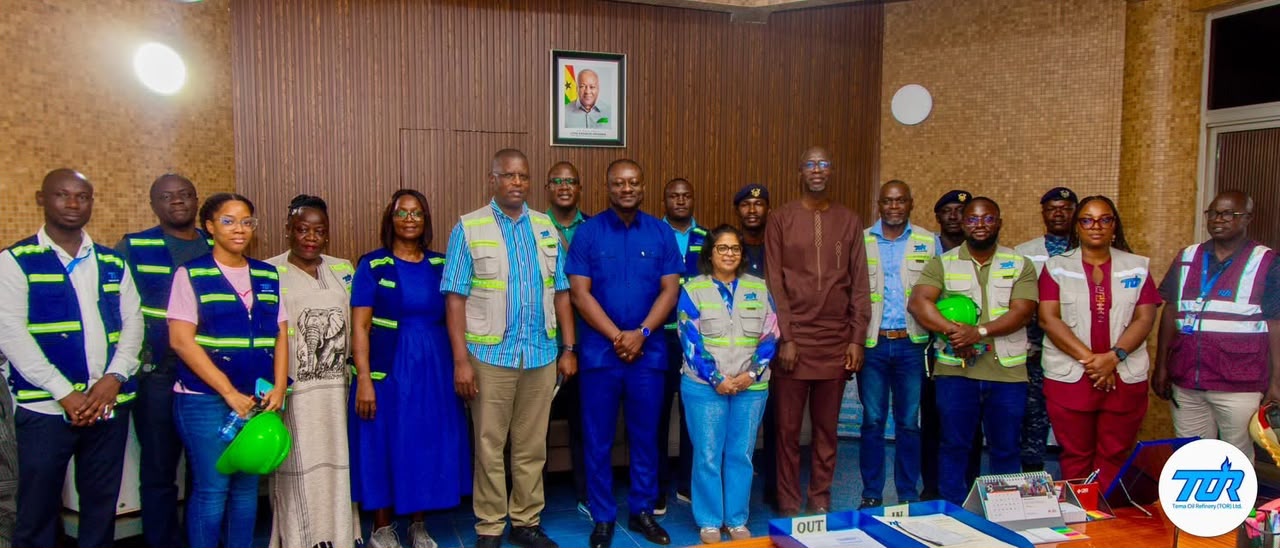
For TOR, sharing its experience could strengthen professional links with regional counterparts and contribute to wider knowledge-sharing within Africa’s petroleum industry.
The immediate outcome remains an information exchange rather than a confirmed investment or technical partnership. Whether the engagement develops into a more substantive relationship will depend on the next steps taken by the institutions involved.
As Uganda advances its refinery plans, the challenge will be to translate lessons from existing operations into a project that is technically sound, commercially viable and capable of delivering the intended benefits to its domestic petroleum market.
READ ALSO: GTEC Urged to Focus on its Legal Mandate