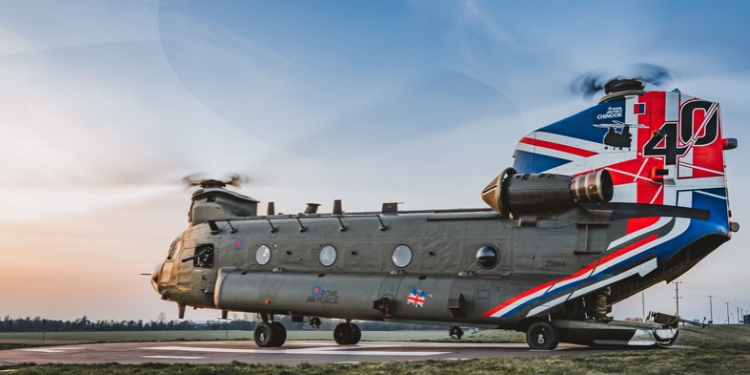
United Kingdom government has announced plans to equip Royal Air Force (RAF) Chinook helicopters and A400M aircraft with specialist firefighting equipment as part of a national effort to strengthen wildfire prevention and emergency response following a record-hot summer.
Under the new plans, RAF Chinook helicopters and A400M aircraft will carry specialist firefighting equipment to support ground crews battling wildfires from the air when requested.
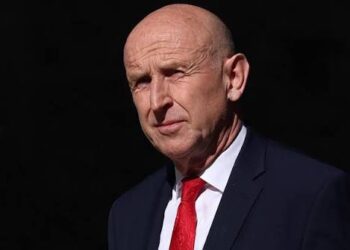
Defence Secretary, Wes Streeting, stated that the military would increase its support for emergency services as the threat of wildfires grows, while also protecting military training areas across the country.
“As the threat of wildfires in the UK grows, defence will step up to provide greater support to our emergency services and protect military training areas across the country.
“This will see the RAF’s Chinook helicopters and A400M aircraft equipped with new specialist firefighting equipment to enable them to tackle wildfires from the skies for the first time.”
Wes Streeting
The government will also commit up to £45 million to strengthen frontline wildfire response in England through additional specialist teams and lightweight, wildfire-specific personal protective equipment.
The new equipment is designed to be lighter and more breathable than the protective clothing firefighters typically use, which is primarily intended for tackling fires in buildings and is not designed for prolonged use in wildfire conditions.
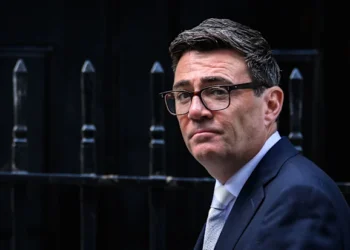
Prime Minister, Andy Burnham, noted that the investment followed the destruction experienced by communities during the summer’s fires.
“I stood in Stourbridge and watched families lose everything. I will never forget it. Our firefighters were heroes that day, but heroes shouldn’t have to fight with one hand tied behind their backs.
“Crews will now have the kit they need to stay safe, and military aircraft will stand ready to help tackle wildfires from the sky. We cannot put people through another summer like this one.”
Andy Burnham
Moreover, Communities Secretary Angela Rayner indicated that “the wildfires we’ve faced this year have been unrelenting, leaving a devastating impact on communities, homes and our precious countryside,” adding, “that’s why we’re taking immediate action now, while working across government and the sector to build a stronger, more resilient national response to wildfires for the future.”
Government Invests in Peatlands and Wildfire Prevention
Alongside improving firefighting capabilities, the government plans to invest in landscape restoration and preventive measures aimed at reducing the likelihood of wildfires starting and spreading.
The package includes £25 million to restore dried-out peatlands in England, enabling them to retain more water and function as natural firebreaks..
Environment Secretary Dame Angela Eagle explained that “the wildfires that tore through our countryside this summer showed the urgent need to adapt to our changing climate.”
“Nature is our greatest ally in preventing wildfires starting in the first place, with healthy landscapes keeping more moisture in the ground to stop fires spreading.
“That’s why we are stepping in and investing £25 million to restore peatlands as well as backing farmers to deliver natural fire safety measures on their land.”
Dame Angela Eagle
The government will also examine tougher local restrictions and potential product bans to discourage activities that could trigger fires during periods of elevated risk.
Further measures include working with the Met Office to improve wildfire forecasting and risk assessments, with the aim of strengthening public awareness and supporting preventive action.
The government also plans to develop England’s first Wildfire Action Plan, covering prevention, preparedness, response and recovery.
Minister for Climate Transition, Katie White stated that the threat posed by climate change is already evident in the conditions firefighters faced during the summer.
“Anyone who thinks climate change is a problem for our children and grandchildren, rather than here and now, should spend a shift with a firefighter.
“This summer, crews battled devastating wildfires in extreme heat, risking their lives to protect the places we love. The threat is already here, staring us in the face.”
Katie White
She added, “we can’t stop every wildfire, flood or storm, but we can make sure Britain is ready. This summit is about better equipping our brave emergency services, protecting our people, and building a stronger country, whatever the weather.”
AI Unit and National Summit to Strengthen Wildfire Preparedness
In addition, the government will establish a new Wildfires AI Unit within the Cabinet Office Briefing Rooms’ National Situation Centre (COBR), bringing together leading universities, technology companies and government officials to improve the detection and response to wildfires.
The initiative will draw on technological capabilities to identify emerging fire risks and support faster responses, while collaboration with the Met Office will help strengthen forecasts and improve public understanding of wildfire threats.
Businesses including Airbus, Google and VodafoneThree will participate in the wildfire summit to outline how satellite monitoring, early-warning systems, connectivity and aerial capabilities can help communities prepare for and respond to fires.
First Secretary of State, Louise Haigh, maintained that “UK has world-leading expertise in the application of new technologies to track and tackle wildfires.”
“By bringing together the work of the National Situation Centre, leading academic institutions and our international partners, we are building a centre of excellence at the heart of government that will share best practice and strengthen our national preparedness.”
Louise Haigh,
Airbus Defence and Space UK Managing Director and Head of UK Public Affairs Kata Escott also described the summit as an important step towards improving wildfire prevention and preparedness.
READ ALSO: Bournemouth Remain Perfect in Europe After Milan Thrashing