Ghana’s banking sector is being urged to rethink how it assesses and finances small businesses as the Chartered Institute of Bankers, Ghana (CIB Ghana), in partnership with the Ghana Investment Support Programme (GhISP), steps up efforts to address persistent barriers to credit access for small and medium-sized enterprises (SMEs).
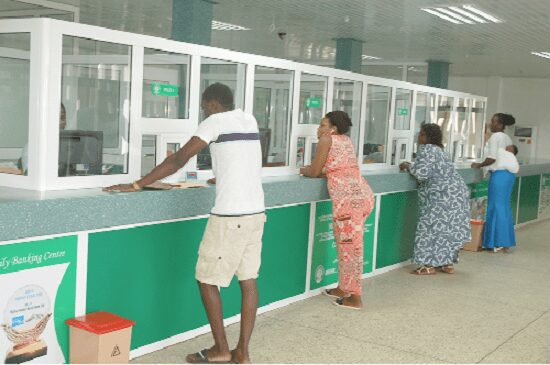
The initiative comes at a time when many businesses continue to struggle to secure financing despite their potential to contribute to employment, innovation and economic growth. Weak financial records, inadequate governance structures and poor cash-flow management often make it difficult for lenders to assess their creditworthiness using conventional banking requirements.
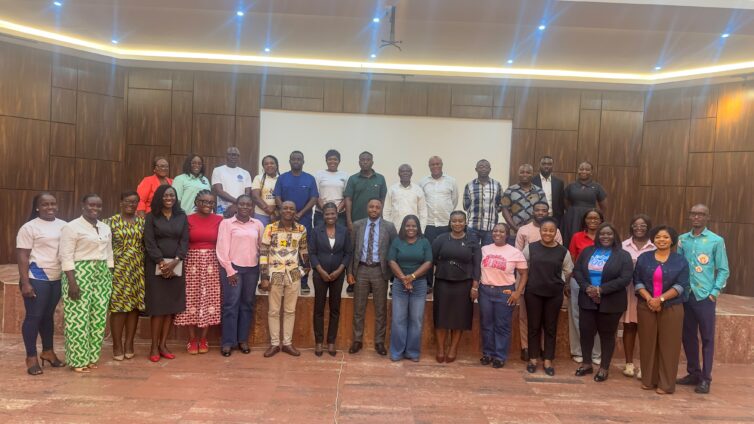
Against this background, CIB Ghana and GhISP have organised a two-day capacity-building workshop for SME portfolio managers from banks across the country, equipping them with practical approaches to improve lending decisions and expand financing opportunities.
The programme brought together banking professionals and selected finance houses to explore contemporary approaches to SME financing, with a particular focus on inclusive lending, gender-smart finance and sustainability considerations.
Banks Challenged to Rethink Traditional Credit Assessment
One of the biggest obstacles confronting SMEs seeking loans is the difficulty of meeting the documentation and financial reporting requirements imposed by lenders.
Businesses may have viable products, steady customer demand and promising growth prospects but still struggle to demonstrate their financial strength through conventional records. This often leaves potentially profitable enterprises without the capital needed to expand operations, purchase equipment or create additional jobs.
The CIB Ghana and GhISP workshop sought to address this challenge by encouraging financial institutions to look beyond traditional credit assessment methods and consider a broader range of indicators when evaluating businesses.
A participant at the workshop highlighted the practical value of the training, stating: “One of the challenges we face in financing SMEs is assessing businesses that may be viable but do not always have the financial records or structures we traditionally rely on for credit decisions. The workshop has given us practical approaches to look more closely at cash flows, the business model and other indicators of viability. We will take these insights back to our institution to strengthen how we assess SMEs and structure financing that better responds to their needs.”
The experience reflects a broader challenge within Ghana’s financial sector, where lending decisions must balance the need to manage credit risks with the importance of supporting businesses that may lack the formal structures of larger companies.
Gender-Smart Finance Takes Centre Stage
Beyond improving credit assessment, the initiative is placing emphasis on making financing more inclusive, particularly through gender-smart approaches that can help address gaps in access to financial services.
The workshop covered gender-smart finance, inclusive product design and inclusive investment, encouraging participants to consider how lending products and institutional practices can respond more effectively to the needs of different categories of SMEs.
Such approaches can help financial institutions identify businesses that may be overlooked by conventional lending models and develop products suited to their operating realities.
The programme also examined SME business models, governance, risk assessment and credit evaluation, giving participants practical insights into the factors that influence business performance and repayment capacity.
By strengthening the ability of banking professionals to assess enterprises on their underlying commercial prospects, the initiative aims to support better-informed financing decisions without compromising prudent risk management.
Climate Risks Enter the SME Lending Conversation
Climate considerations also featured prominently in the workshop, reflecting growing attention to sustainability within financial services.
Participants explored climate risk and green SME financing, areas that are becoming increasingly relevant as businesses face environmental pressures and opportunities linked to more sustainable production and investment.
Integrating climate considerations into lending decisions can help financial institutions better understand the risks facing businesses while identifying opportunities to finance enterprises pursuing environmentally sustainable activities.
The workshop’s approach combined expert presentations, practical case studies, experience sharing and group discussions. This interactive format allowed participants to connect the concepts discussed with real-life lending and portfolio-management situations within their respective institutions.
The emphasis on practical application is particularly important because the long-term value of capacity-building programmes depends on whether financial institutions translate new knowledge into changes in their everyday operations.
CIB Ghana Pushes for Stronger SME Financing
Commenting on the expected impact of the programme, Mr. Robert Dzato, CEO of CIB Ghana, stated that “Strengthening the capacity of financial institutions to adopt sound, inclusive and sustainable lending practices is essential to improving SMEs’ access to finance and supporting their long-term growth. CIB Ghana remains committed to equipping banking professionals with the knowledge and skills to make informed financing decisions that support SME development and Ghana’s economic growth.”
His remarks underline the role of financial institutions in determining whether viable small businesses can access the capital required to grow.
SMEs remain an important part of Ghana’s economic activity, but their contribution can be constrained when financing is unavailable or unsuitable for their needs. Improving lending practices could help businesses strengthen operations, invest in productive assets and pursue new market opportunities.
At the conclusion of the workshop, participating institutions were encouraged to apply the lessons within their organisations, particularly in credit assessment, product development, portfolio management and engagement with SMEs.
The broader CIB Ghana-GhISP initiative is designed to improve the quality of SME lending, strengthen financial inclusion and encourage banks and finance houses to incorporate climate considerations into financing decisions.
Kumasi Workshop Expected in November 2026
The Accra workshop represents the first of two ecosystem workshops planned under the initiative, with the second scheduled to take place in Kumasi in November 2026.
The next phase will extend the capacity-building effort to another important business centre, providing a further opportunity to strengthen the relationship between financial institutions and the SMEs they serve.
Ultimately, the initiative’s success will depend on whether participating institutions move beyond training sessions to implement practical changes in their lending policies and products.
A more flexible approach to assessing viable businesses, combined with sound risk management and inclusive financing strategies, could help address some of the longstanding barriers preventing Ghanaian SMEs from obtaining credit.
As CIB Ghana and GhISP continue their efforts, attention will increasingly turn to whether the knowledge gained by banking professionals translates into improved financing opportunities for businesses that need capital to survive, expand and create jobs.