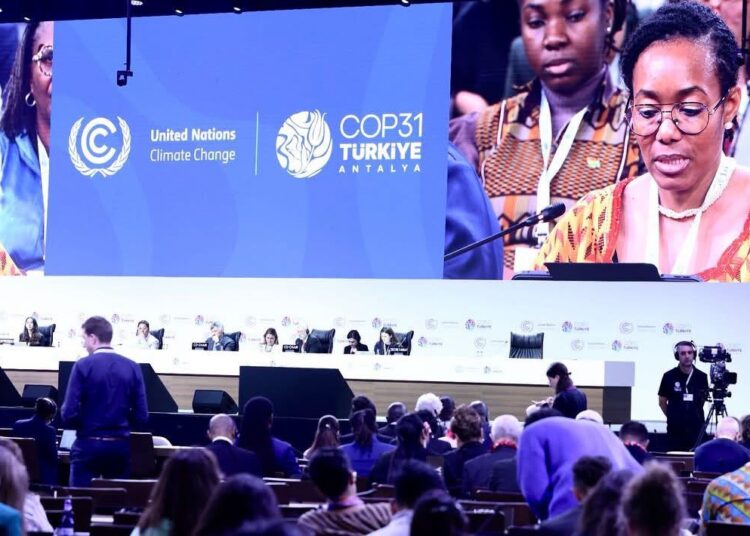
Ghana’s efforts to make cooling systems more energy-efficient and climate-friendly have gained fresh international attention following a series of ministerial engagements by the Minister for Environment, Science and Technology, Dr Zanetor Agyeman-Rawlings, at COP31 in Antalya, Türkiye.
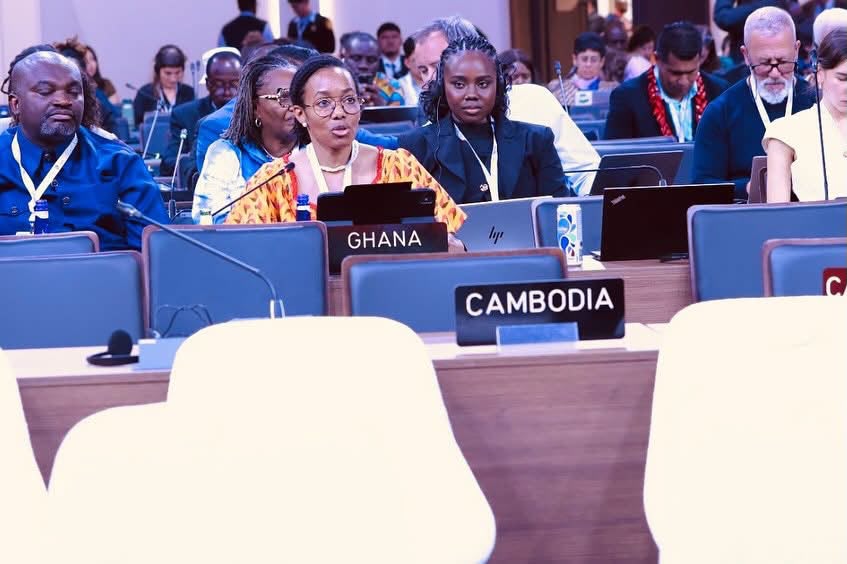
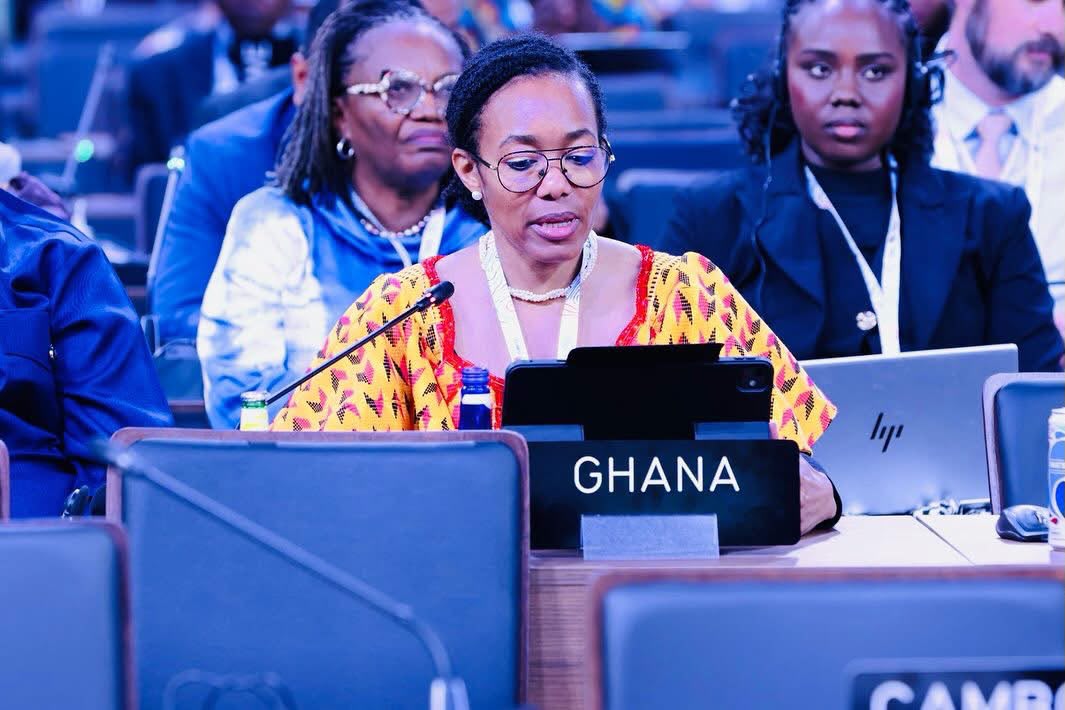
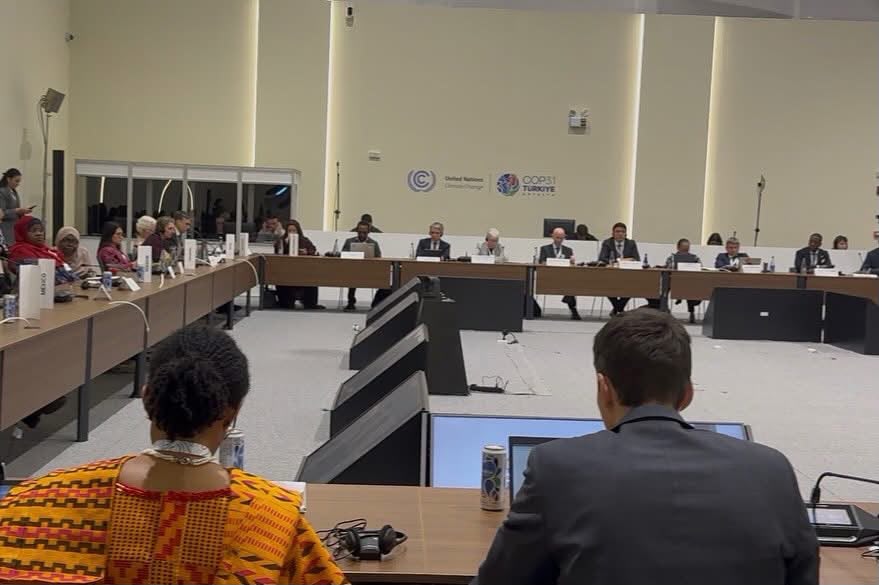
The Minister participated in the Ministerial Meeting on Just Transition, the Climate and Clean Air Coalition (CCAC) Ministerial Roundtable and the Third Annual Ministerial Engagement on Cooling on November 16, placing Ghana’s climate diplomacy alongside discussions on heat resilience, air pollution and the environmental impact of cooling technologies.
Her participation comes as Ghana seeks to implement its National Cooling Action Plan, a framework intended to improve energy efficiency and promote the use of refrigerants with lower global warming potential.
In a statement following the engagements, Agyeman-Rawlings said the discussions were focused on “building a sustainable and climate-resilient future”, with particular attention to international cooperation and inclusive climate solutions.
She also highlighted the importance of “reducing short-lived climate pollutants, and promoting sustainable cooling technologies to accelerate progress towards global climate goals.”
The cooling discussions are particularly relevant to Ghana’s energy sector as rising temperatures increase the need for air conditioning and refrigeration, potentially adding pressure to electricity demand while creating environmental challenges associated with inefficient appliances and refrigerants.
Cooling Becomes An Energy And Climate Priority
The Third Annual Cooling Ministerial at COP31 focused on the relationship between heat resilience and sustainable cooling, bringing together governments and international partners to assess progress and identify areas for further cooperation.
The United Nations Environment Programme (UNEP) noted that access to cooling is increasingly important for health, livelihoods and economic resilience, but warned that expanding air-conditioning demand could create additional environmental and energy-system pressures.
“Growing demand for air conditioning could also drive up emissions and strain electricity grids,”
This presents a policy challenge for countries such as Ghana, where cooling is important for homes, businesses, healthcare facilities, food storage and industrial operations.
The question is no longer simply how to expand access to cooling, but how to do so without significantly increasing electricity consumption and greenhouse gas emissions.
The COP31 ministerial engagement also welcomed the Antalya Communiqué and opened a country-led process to develop a Global Heat Resilience Roadmap, which is expected to be presented at COP32 in Addis Ababa.
The process is intended to strengthen international cooperation, technical support and investment in sustainable cooling and heat-resilience measures.
For Ghana, participation in these discussions provides an opportunity to connect its existing national cooling policies with emerging international approaches and potential implementation partnerships.
Ghana Already Has A National Cooling Framework
Ghana’s engagement at COP31 builds on work already undertaken to establish a National Cooling Action Plan under the leadership of the Environmental Protection Authority, with support from the Energy Commission.
The plan focuses on two central priorities: improving energy efficiency and promoting refrigerants with low global warming potential.
According to the Energy Commission’s February 2026 Energy Gazette, Ghana’s approach includes coordinated institutional oversight, minimum energy performance standards for cooling appliances, market incentives for efficient equipment and measures to prevent the importation of obsolete, high-emission cooling technologies.
The Commission has also introduced appliance labelling requirements that provide information on energy efficiency and refrigerant types, allowing consumers to make more informed purchasing decisions.
Initiatives such as ECOFRIDGES and the AGORA scheme are intended to reduce financial barriers to acquiring more efficient refrigeration and air-conditioning equipment.
The Energy Commission has previously described the growing importance of sustainable cooling in Ghana’s climate response.
At the 47th Meeting of the Montreal Protocol’s Open-Ended Working Group in Bangkok in July 2025, former Acting Executive Secretary of the Energy Commission, Eunice A. Biritwum, said:
“Cooling is no longer a luxury. We cannot allow the earth to continue boiling.”
She also stressed the need to strengthen implementation efforts, stating:
“As the axiom of the Montreal Protocol says, ‘Start and Strengthen,’ we must start, and we must strengthen our efforts.”
The National Cooling Action Plan is also linked to Ghana’s climate commitments under its second Nationally Determined Contributions (NDC 2.0), with the Energy Commission indicating that cooling considerations are being incorporated into the country’s evolving climate-planning framework.
Short-Lived Pollutants And The Just Transition
Beyond cooling, Agyeman-Rawlings’ participation in the Climate and Clean Air Coalition ministerial meeting placed attention on short-lived climate pollutants, including methane and black carbon.
Although these pollutants remain in the atmosphere for shorter periods than carbon dioxide, they can contribute significantly to global warming and air pollution.
Reducing their emissions can therefore deliver climate and public-health benefits, making them an important part of the international climate agenda.
The CCAC’s work at COP31 has included efforts to strengthen methane measurement, improve the integration of air-pollution measures into national climate plans and accelerate practical action against super pollutants.
The Minister’s participation in the just-transition meeting also brought an inclusion dimension to Ghana’s climate engagement.
A just transition involves ensuring that the shift towards lower-emission economies considers workers, communities and businesses affected by changes in energy systems and industrial activity.
For Ghana, this has implications for how climate policies are designed and implemented, particularly where energy access, affordability, employment and industrial development must be considered alongside emissions reductions.
From International Engagement To Domestic Implementation
The three ministerial engagements place Ghana within discussions that increasingly connect climate action with electricity planning, public health, industrial development and economic resilience.
However, the significance of the engagements will ultimately depend on how international cooperation translates into practical support for national programmes.
For sustainable cooling, this means expanding access to efficient appliances, strengthening standards and enforcement, improving refrigerant management and ensuring that households and businesses can afford cleaner technologies.
It also requires coordination among the Environment Ministry, the Energy Commission, the Environmental Protection Authority and other institutions responsible for energy efficiency, climate policy and refrigerant management.
Agyeman-Rawlings said the engagements reinforced the importance of international cooperation and inclusive approaches to climate action.
For Ghana, the immediate task is to build on its existing National Cooling Action Plan and ensure that the growing demand for cooling does not become an additional source of pressure on the electricity system and the environment.
The COP31 discussions have provided another platform for countries to pursue that objective. The next measure of progress will be the extent to which commitments, technical cooperation and investment translate into more efficient cooling systems and stronger protection against extreme heat.
READ ALSO: Cedi Faces Fresh 2027 Pressure as Fitch Projects GH¢12.40 to Dollar