
The Energy Commission of Ghana has reaffirmed its commitment to advancing sustainable and energy-efficient cooling solutions as part of the country’s broader climate and energy transition agenda.
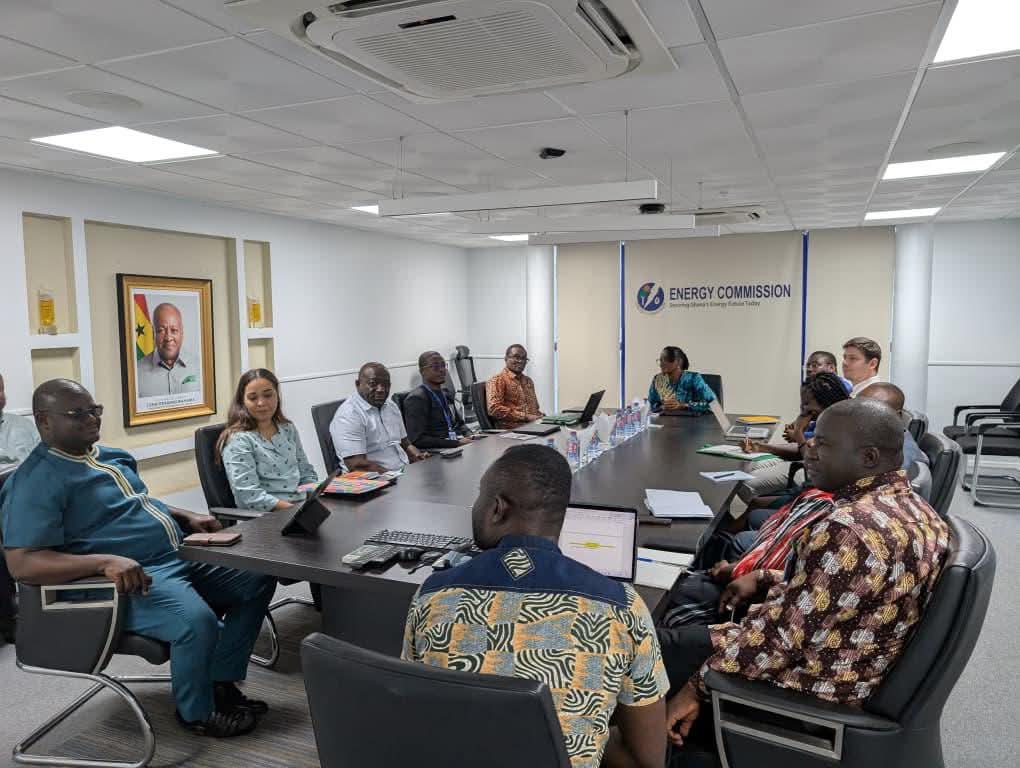
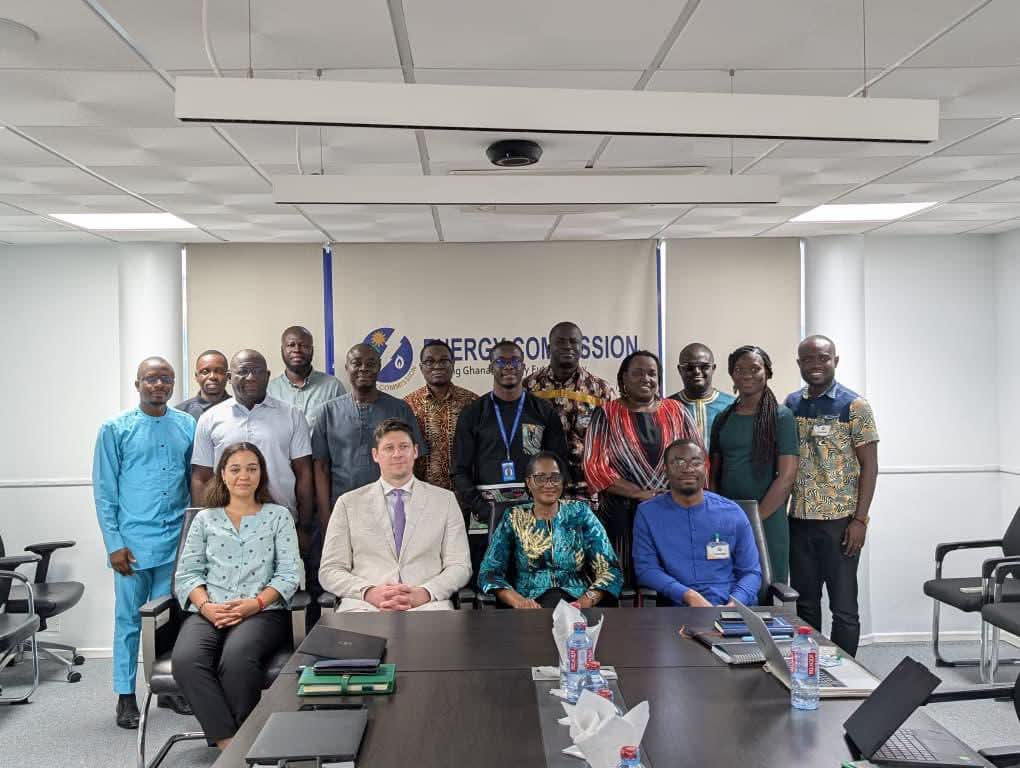
This followed a high-level engagement with the United Nations Development Programme (UNDP), hosted jointly by the Energy Commission and the Environmental Protection Authority (EPA), to explore Ghana’s participation in the US$40 million Energy Efficiency Revolving Fund (EERF).
The meeting brought together key stakeholders to assess how the fund could be deployed to accelerate the adoption of climate-friendly cooling technologies in critical sectors such as hospitality, retail, and cold-chain logistics, where energy demand and emissions are rising rapidly.
Welcoming the UNDP delegation, the Acting Executive Secretary of the Energy Commission, Ing. Eunice Biritwum, underscored Ghana’s determination to lead in the transition to energy-efficient, low-Global Warming Potential cooling systems.
She highlighted the importance of aligning financing mechanisms with national priorities to ensure that efficiency gains translate into real economic and environmental benefits.
According to Ing. Biritwum, Ghana’s focus extends beyond reducing energy consumption to promoting technologies that support climate goals.
She noted that discussions with UNDP centred on “potential partnerships” that would enable hotels, supermarkets and cold-chain operators to adopt modern cooling systems that consume less power while minimising environmental impact.
Focus on Low-GWP Cooling Solutions
The discussions placed strong emphasis on low-GWP refrigerants, which are increasingly recognised as essential to meeting global climate commitments.
Ghana, through the Energy Commission and the EPA, has been actively working to align national policies with international obligations under the Kigali Amendment, which seeks to phase down harmful hydrofluorocarbons.
Participants explored how the EERF could support refrigerant transition projects, helping businesses replace outdated systems with modern alternatives that are both energy-efficient and climate-friendly.
Ing. Biritwum reiterated that Ghana is committed to “energy-efficient, low-GWP cooling solutions,” particularly in high-consumption sectors where the impact would be most significant.
Beyond technology choices, the meeting examined financial models that would make sustainable cooling investments attractive and accessible.
Discussions focused on structuring low-interest financing that encourages private-sector uptake while ensuring that energy savings are measurable and verifiable.
Stakeholder engagement was identified as a critical success factor, with the Energy Commission stressing the need to involve businesses, financial institutions, technicians and regulators early in the process.
The aim, participants noted, is to create a system where efficiency gains are clearly demonstrated, building confidence in the revolving fund model.
Capacity Building and Local Industry Development
A key outcome of the engagement was the shared recognition that technology deployment must be matched with skills development. Capacity building for technicians featured prominently in the discussions, as maintaining and servicing advanced cooling systems requires specialised knowledge.
The Energy Commission and its partners also highlighted the potential for promoting local assembly of energy-efficient refrigerators and cooling equipment.
Such an approach, they noted, could help reduce costs, create jobs and strengthen local value chains while supporting Ghana’s industrialisation agenda.
The meeting reinforced the central role of collaboration between the Energy Commission and the Environmental Protection Authority in driving sustainable cooling initiatives.
Both institutions were described as pivotal to implementing the EERF, ensuring regulatory compliance and monitoring environmental outcomes.
By working closely together, the Energy Commission and EPA aim to provide a coherent framework that supports innovation while safeguarding environmental standards.
This partnership, officials said, will be essential in translating policy commitments into practical, on-the-ground solutions.
Advancing Ghana’s Climate and Energy Goals
Ghana’s engagement with the EERF comes at a time when cooling demand is rising due to urbanisation, economic growth and climate change. Without intervention, this trend could place significant strain on the power system and increase greenhouse gas emissions.
By championing sustainable cooling, the Energy Commission aims to address these challenges proactively. The discussions with UNDP signal a strategic approach that combines policy alignment, innovative financing and institutional collaboration to deliver lasting results.
As Ghana positions itself as a regional leader in energy efficiency, the outcomes of this engagement could play a crucial role in shaping how cooling technologies are deployed nationwide, supporting both economic development and environmental sustainability.
READ ALSO: China Bans Tesla-Style Hidden Door Handles