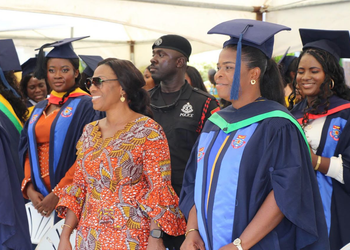
Women account for 78 percent of the first graduating class of Ghana’s National Apprenticeship Programme, nearly doubling the programme’s 40 percent participation target, President John Dramani Mahama has disclosed. He announced the figures during the programme’s maiden graduation ceremony at the State House in Accra on Friday, November 20, 2026.
Despite the strong female participation, the President identified significant gaps in disability inclusion, with only 112 of the 13,309 graduates living with disabilities, against a programme target of at least 5 percent. He also urged women to look beyond traditionally female-dominated trades and pursue opportunities in technical and industrial fields.
“Of the 13,309 graduates, 10,325 are female and 2,984 are male.”
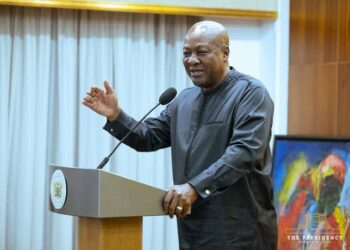
His Excellency John Dramani Mahama.
Women Exceed 40% Apprenticeship Participation Target
President Mahama described the gender composition of the graduating class as evidence of the programme’s strong commitment to women’s participation, noting that women had substantially exceeded the minimum 40 percent target. The 10,325 female graduates represent approximately 78 percent of the total cohort, compared with 2,984 men, accounting for the remaining 22 percent.

The achievement follows the launch of the National Apprenticeship Programme in Tamale in April 2025, an initiative designed to expand access to vocational and technical skills training for young people across the country.
The President welcomed the outcome, describing the initiative as a gender-sensitive intervention that has created significant opportunities for women to acquire employable skills and improve their economic prospects.
Mahama Urges Women to Embrace Technical Trades
Beyond celebrating the high female participation, President Mahama challenged the graduates to broaden their ambitions by entering occupations traditionally dominated by men. He cautioned against concentrating women’s participation in trades such as baking and sewing, urging them to explore opportunities in plumbing, welding, electrical installation, mechanical engineering, renewable energy, digital technology and carpentry.
“Let us not all go into bakery and sewing and all that,” he urged, encouraging women to recognise the opportunities available across different technical and industrial professions. He emphasised that expanding women’s participation in these sectors would help challenge occupational stereotypes while increasing their access to diverse employment and entrepreneurship opportunities.
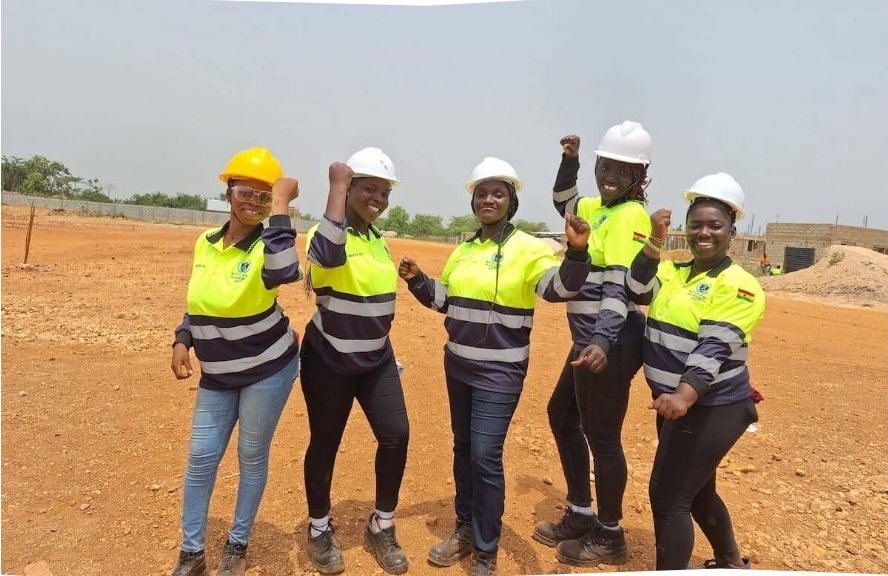
The President further called on training providers and employers to support this transition by encouraging more women to enrol in technical programmes and creating opportunities for them to develop the competencies required by industry.
Steel Factory Employment Demonstrates Women’s Capabilities
To reinforce his argument, President Mahama cited an example from his visits to industrial facilities alongside the Minister of Trade, Agribusiness and Industry. He disclosed that women constitute at least 30 percent of the workforce at a steel factory along the Aflao Road, where they participate in fabrication and other industrial operations alongside their male counterparts.
According to him, the example demonstrates that women can perform effectively in professions often perceived as exclusively suited to men. “Every profession, what a male can do, a female can do even better.” He therefore encouraged the graduates to approach their professional choices without limiting themselves to traditional gender expectations, stressing the importance of equal opportunities across occupational fields.
Disability Inclusion Remains a Major Programme Gap
While celebrating the programme’s performance on gender participation, President Mahama acknowledged that its disability inclusion target had not been achieved. Of the 13,309 graduates, only 112 are persons living with disabilities, representing approximately 0.84 percent of the graduating class.
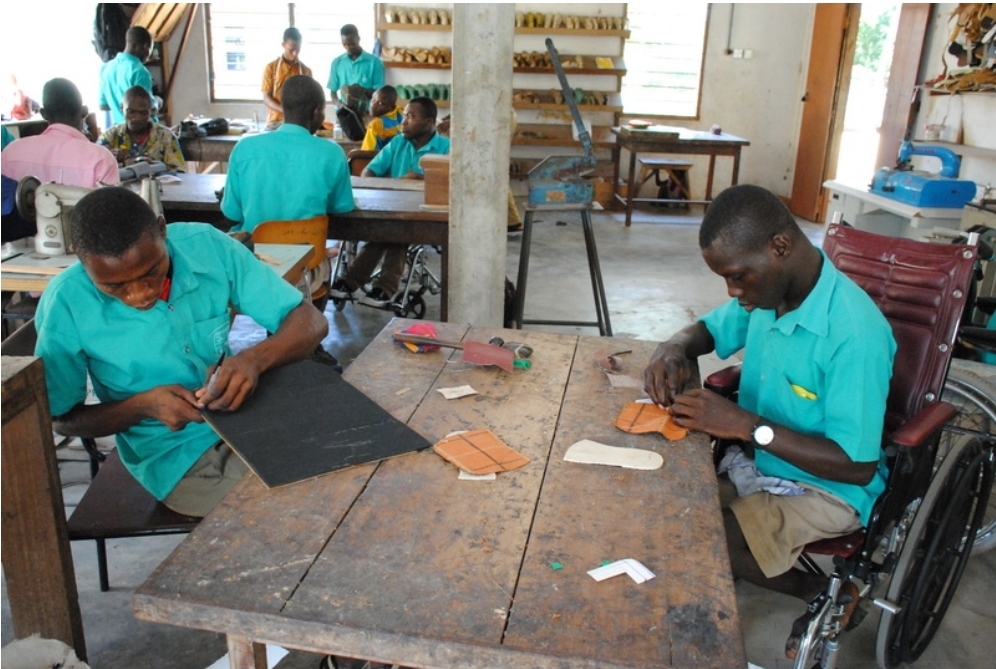
This falls significantly below the programme’s commitment to reserve at least 5 percent of opportunities for persons with disabilities. Meeting that threshold would have required approximately 665 beneficiaries in the first cohort. The President described the outcome as an area requiring urgent attention and called for deliberate efforts to improve access for persons with disabilities in subsequent intakes.
“We still have a lot of work to do in this regard because our programme target was that at least 5% must be persons living with disability.”
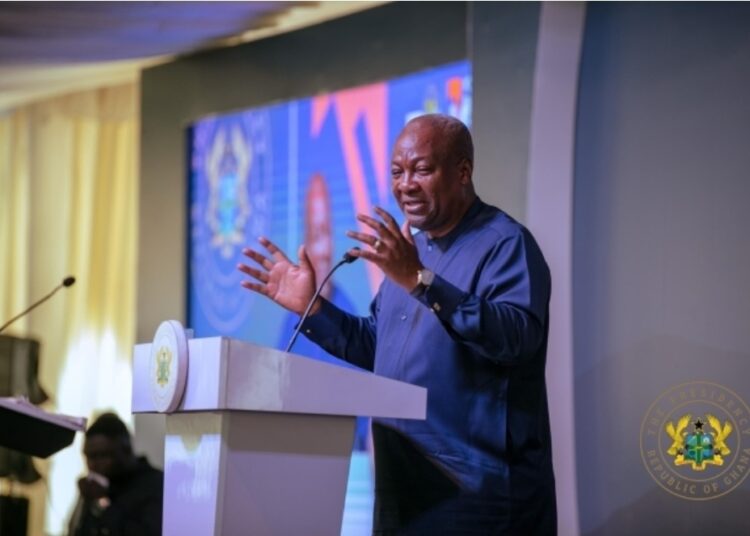
His Excellency John Dramani Mahama.
He consequently urged programme administrators and stakeholders to prioritise greater disability representation in the next cohort. “So in the next cohort I want to see an increase in the number of persons with disability,” he emphasised. The shortfall raises questions about the accessibility of recruitment, training facilities and programme delivery for persons with disabilities, particularly as the government seeks to expand the initiative.
Women Graduates to Benefit from Business Support
Beyond vocational training, the government is seeking to strengthen the economic prospects of female graduates by connecting them to financing and entrepreneurship support.
President Mahama disclosed that women interested in establishing their own businesses would have opportunities to access assistance through the proposed Women’s Development Bank once it becomes operational. He encouraged interested graduates to submit their names for consideration, indicating that the institution would prioritise supporting women seeking to establish businesses.

The graduates could also benefit from startup financing opportunities under the Adwumawura Programme, which is intended to support young entrepreneurs in developing and expanding their businesses.These interventions are expected to complement the skills acquired through the apprenticeship programme by helping graduates translate their training into sustainable economic activities.
Government Targets 50,000 Apprentices for 2027
Looking ahead, President Mahama disclosed that the government intends to enrol at least 50,000 apprentices under the programme in 2027, representing a significant expansion of the initiative.The next intake is expected to build on the first cohort’s achievements while addressing gaps in participation, particularly among persons living with disabilities.
However, the government has yet to outline specific recruitment measures or establish a revised numerical target for disability inclusion in the upcoming cohort. As the programme expands, its effectiveness will therefore depend not only on increasing the number of beneficiaries but also on ensuring equitable access to training opportunities across gender, disability and occupational categories.
The first graduating class has demonstrated considerable progress in women’s participation. The next challenge will be translating that achievement into broader occupational diversity and more inclusive access for all young people.