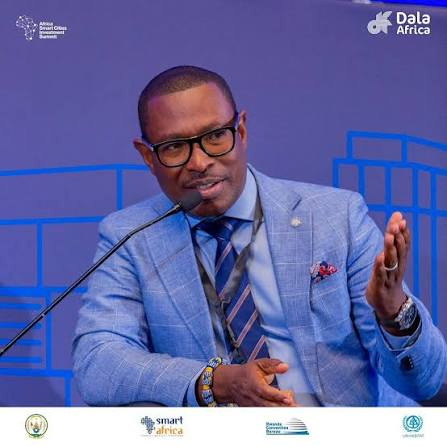
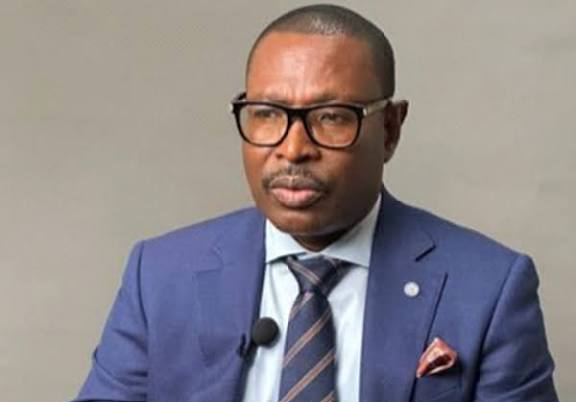
The Chief Partnership Officer of the 24-Hour Economy Authority, Dr Ishmeal Nii Amanor Dodoo, has disclosed that the government has mobilised $5.5 billion in investment for a major solar energy project, alongside securing 620,000 hectares of land for commercial agriculture under the 24-hour economy programme.
Speaking during a discussion on the 2027 Budget and the 24-Hour Economy, Dr Dodoo explained that the investments form part of the government’s broader strategy to establish agricultural and industrial parks, attract manufacturing activities and create employment opportunities across the country.
“In less than two years, we mobilised $5.5 billion and closed it into an investment. In other jurisdictions, it takes almost two to three years to structure a public-private partnership (PPP) and then look for the funds.”
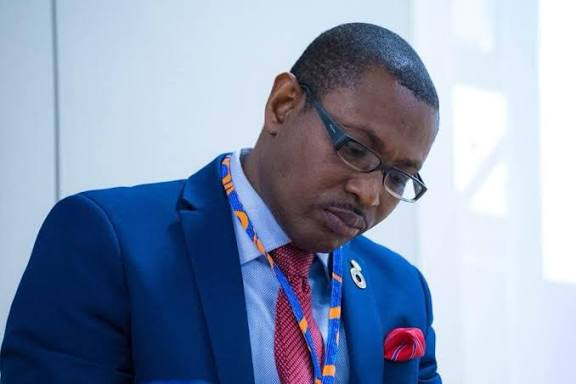
Chief Partnership Officer of the 24-Hour Economy Authority, Dr Ishmeal Nii Amanor Dodoo
Dr Dodoo disclosed that the programme had assembled more than 620,000 hectares of land along an economic corridor for commercial agricultural development, describing the initiative as a long-term investment that would benefit landowners across generations.

He explained that the arrangement allows landowners to contribute their land through Free, Prior and Informed Consent agreements, with concessions lasting between 20 and 30 years.
Under the arrangement, landowners receive an agreed value for their contribution, including an early payment and equity participation in the investments.
24-Hour Economy secures land and investment
Using the proposed solar farm as an example, he indicated that the project, involving 40,000 hectares and an estimated investment of $5.5 billion, would allocate between five and 10 per cent equity to participating landowners.
“If you take, for example, the $5.5 billion investment in the 40,000 hectares of land we have put together for the solar farm, the landowners would have between 5 and 10 per cent equity,”
Chief Partnership Officer of the 24-Hour Economy Authority, Dr Ishmeal Nii Amanor Dodoo
He argued that the model would enable communities, particularly those in northern Ghana, to transform land ownership into lasting economic opportunities rather than relying solely on immediate financial returns.
Solar Investment Generate Thousands of Jobs
The 24-Hour Economy Authority official identified investment mobilisation and the establishment of manufacturing zones as key indicators for measuring the programme’s success, with employment creation remaining its ultimate objective.
He explained that the proposed agricultural and industrial parks would provide the foundation for manufacturing, commercial agriculture and other economic activities that could sustain employment across generations.
Dr Dodoo further disclosed that construction of the solar farm would provide the first employment opportunities, with the renewable energy project expected to generate between 30,000 and 50,000 jobs.
He added that some projections placed the combined direct and indirect employment opportunities at approximately 100,000 once the project becomes operational.
“These are the jobs that are coming, and they will come,” he emphasised, expressing confidence that the investments would translate into tangible employment opportunities as implementation progresses.
Minority and 24-Hour Economy
Dr Dodoo dismissed claims by the Minority that the government had abandoned the 24-hour economy programme, insisting that the proposed investments under the new economy agenda represent an expansion of the initiative rather than its replacement.
He maintained that engagements with Minority representatives had provided opportunities to explain the programme’s direction, although he acknowledged that political considerations influenced their public commentary.
According to him, the 2027 Budget’s theme, “The New Economy: New Ghana, Jobs and Prosperity”, reflects the government’s intention to pursue a broader economic transformation that incorporates the objectives of the 24-hour economy.
He cautioned, however, against allowing the programme’s ambitions to create expectations that implementation may not immediately satisfy.
Dr Dodoo explained that the Authority had deliberately adopted a conservative communication approach because it wanted to demonstrate measurable achievements rather than make promises that could remain unfulfilled.
Relocate for emerging job opportunities
Despite the projected employment opportunities, Dr Dodoo argued that addressing unemployment would require more than creating jobs, stressing that young people must also demonstrate willingness to relocate to areas where employment becomes available.
He questioned whether individuals living in urban constituencies would be prepared to move to locations such as Buipe if employment opportunities emerged there.
“Now, the question I would also ask is this: If you are in the Odododiodio constituency and there is a job in Buipe, will you go?”
Chief Partnership Officer of the 24-Hour Economy Authority, Dr Ishmeal Nii Amanor Dodoo
He maintained that geographical mobility should form part of the national conversation on unemployment, particularly as major investments in agriculture, renewable energy and manufacturing may create opportunities outside established urban centres.
Dr Dodoo acknowledged the economic difficulties confronting households and the urgency with which Ghanaians expect improvements in their living conditions.
He indicated that the Authority understood these concerns and was working to accelerate investment implementation, arguing that the mobilisation of $5.5 billion within less than two years demonstrated significant progress towards delivering the programme’s objectives.
READ MORE: UG Hostel Fees Must Follow Rent Control Law