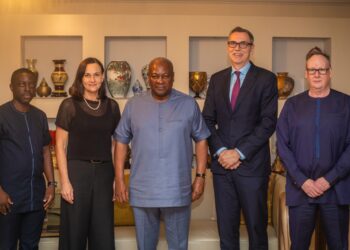
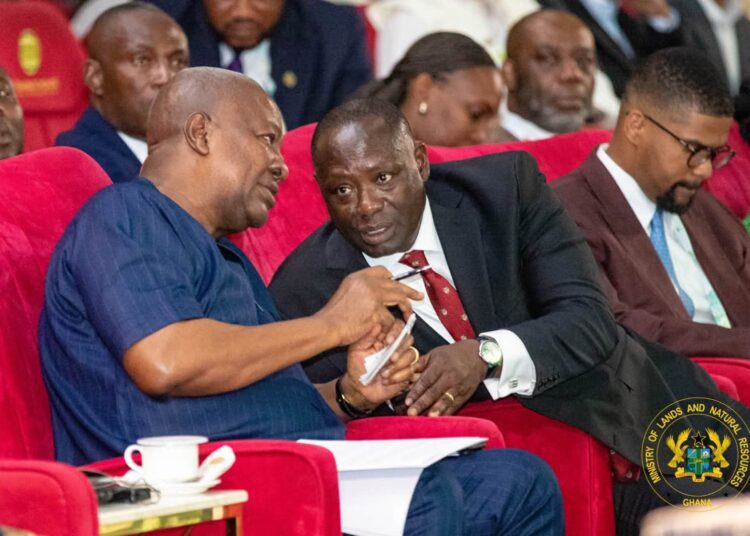
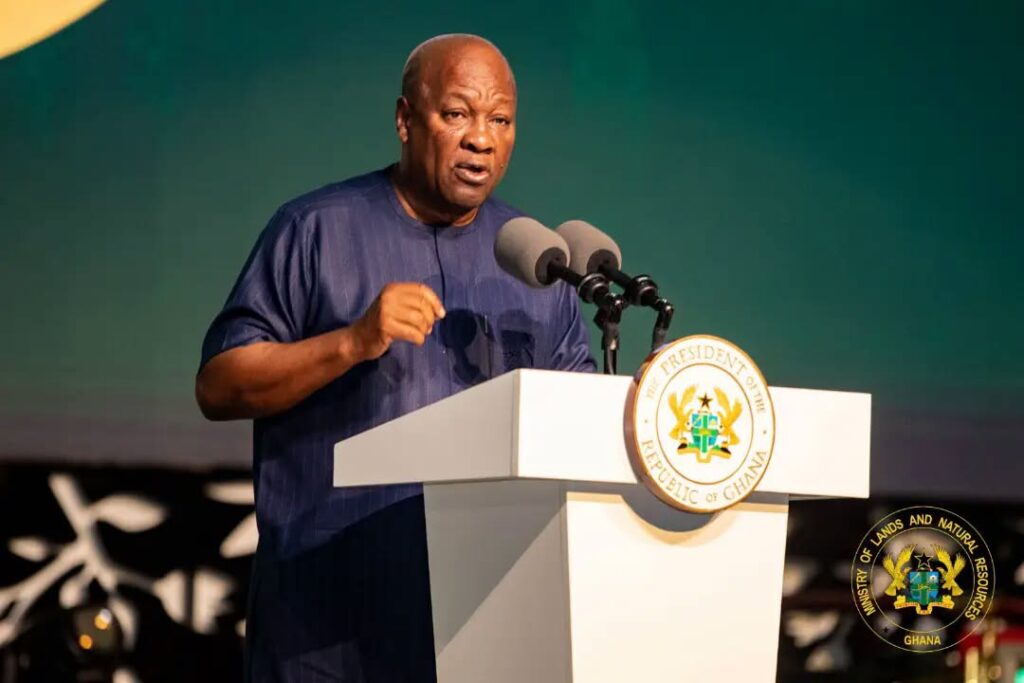
President John Dramani Mahama has assured citizens and prospective investors that any commercial exploitation of newly discovered iron ore reserves in the Oti Region will be governed by strict environmental safeguards and inclusive community agreements.
Rather than rushing to monetize these untapped geological assets, the administration is establishing a governance framework that prioritizes ecological preservation and local welfare alongside industrial growth.
This policy stance comes as geological assessments around Gyamurume in the Kadjebi District confirm promising, high-grade iron ore deposits exceeding 50 percent pure iron content making them attractive for major capital inflows.
By designating these virgin reserves as “fresh” minerals, the state aims to break away from historical extractive models that frequently left host communities with degraded landscapes, polluted water bodies, and minimal socioeconomic returns.
Ongoing dialogue with traditional rulers and youth groups remains central to determining the operational terms before any ground is broken for full-scale extraction.
“But we want to make sure that if it is going to be mined, it is done in such a way that it will not destroy the serene environment that we have.”
President John Dramani Mahama
Advancing Geological Mapping and Value Addition
Leading the technical groundwork for this nascent sector is the Ghana Integrated Iron and Steel Development Corporation (GIISDEC), a statutory body established under the Ghana Integrated Iron and Steel Development Act, 2019 (Act 988).
GIISDEC holds the national mandate to build a fully integrated iron and steel value chain, spanning upstream exploration and mining to downstream smelting, refining, and steel manufacturing.
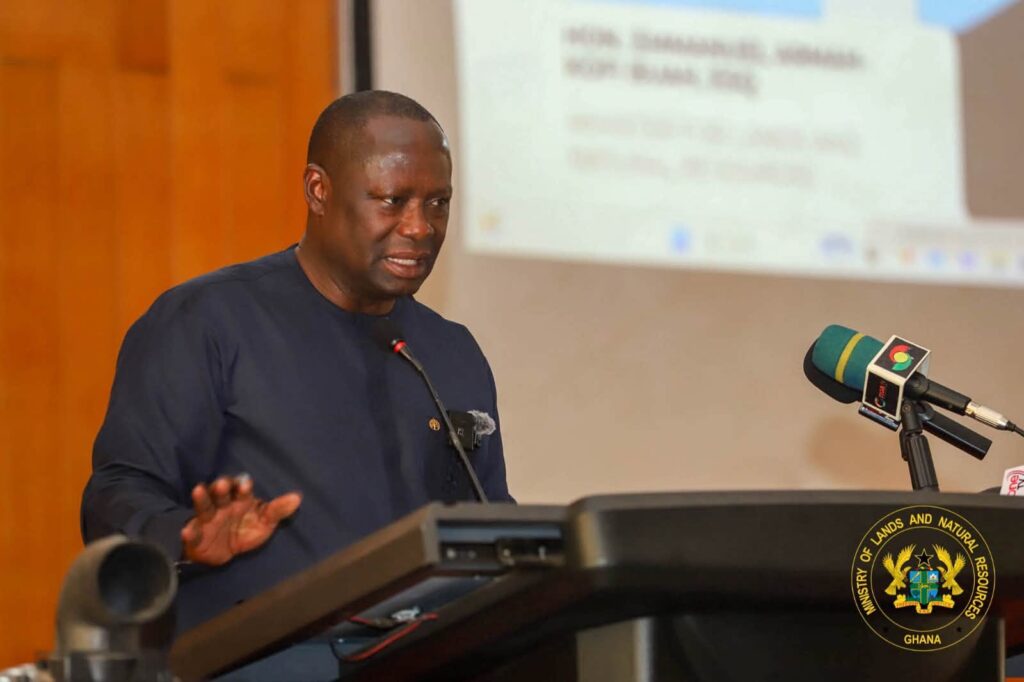
In the Oti Region, GIISDEC’s Mineral Resource Estimation (MRE) work at the Gyamurume Block has reached 92 percent completion, revealing high-grade ironstone enriched with traces of nickel and copper, alongside adjacent prospects like Bodada Block II showing up to 82 percent iron oxide concentration.
By anchoring its strategy in local beneficiation rather than raw ore exports, the corporation intends to supply domestic steel mills—which have long suffered from raw material deficits and reliance on volatile scrap metal markets—while insulating Ghana’s construction and infrastructure sectors from expensive import bills.
Why Responsible Extraction Is Imperative
The push for a tightly regulated iron ore industry is driven by both economic necessity and hard-learned environmental lessons.
Ghana holds an estimated 1.7 billion tonnes of iron ore reserves nationwide, representing a generational opportunity to diversify export earnings beyond gold, cocoa, and crude oil.
Developing a domestic steel ecosystem will create thousands of direct technical jobs, stimulate rail and energy infrastructure expansion, and retain billions of dollars in value within the local economy.
However, the ecological stakes in the Oti Region are exceptionally high. Characterized by lush forest reserves, rich agricultural land, and vital tributaries feeding the Volta Lake basin, the Kadjebi enclave cannot afford the devastation witnessed in parts of Ghana’s traditional mining belt due to unregulated artisanal mining and weak enforcement.
President Mahama emphasized that economic ambition will not override ecological survival, noting that “the potential economic gains must be balanced against environmental protection and the interests of host communities.”
Without upfront environmental impact controls, land reclamation bonds, and transparent benefit-sharing mechanisms, mineral wealth risks becoming an ecological liability.
Securing Social License Through Inclusive Dialogue
Recognizing that sustainable mining depends on local buy-in, the government has placed stakeholder engagement at the center of its pre-mining roadmap.
Past extractive projects across West Africa have frequently stalled or faced violent pushback when decisions were imposed from the capital without consulting customary landowners and local youth.
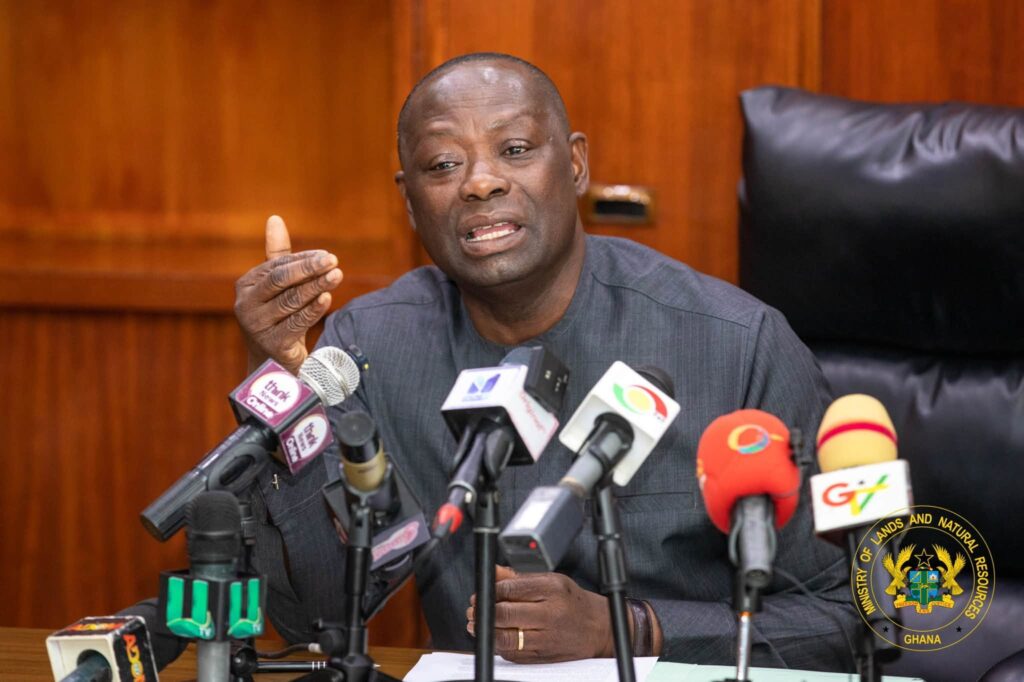
To avert such friction, the administration has committed to sustained consultations with chiefs, opinion leaders, and young people across the Kadjebi District before granting commercial mining leases.
Government officials have reiterated that the state “would continue consultations with traditional authorities and young people before deciding whether to proceed with mining,” ensuring that host communities participate directly in shaping local content quotas, skills training programs, and community development agreements.
As GIISDEC transitions from exploration toward investor partnerships, this deliberate, consultative approach sets a crucial benchmark for how Ghana harnesses its next frontier of industrial minerals.
READ ALSO: Dr. Zanetor Demands Responsible Mining to Preserve Environment