
The Government’s decision to exempt imported solar panels and batteries from import duties and Value Added Tax (VAT) is expected to encourage renewable energy adoption in Ghana.
However, the Africa Centre for Energy Policy (ACEP) believes the effectiveness of the intervention will depend on whether the proposed tax relief translates into actual savings for households and businesses.
The concern is important because the cost of acquiring solar equipment remains a major consideration for consumers seeking alternatives to conventional electricity supply.
While removing import taxes could reduce the initial cost of purchasing solar equipment, the extent to which consumers benefit will depend on how the exemptions are implemented and reflected in market prices.
In its analysis of the 2027 Budget, ACEP argues that Ghana must move beyond announcing policy incentives and ensure that their implementation delivers measurable benefits.
The Finance Minister, Dr Cassiel Ato Forson, announced the proposed exemption as part of Government’s broader efforts to expand renewable energy adoption and improve energy security.
“Energy security is economic security. When a trader can keep her shop running, a farmer can power his irrigation, and a young entrepreneur can work through the night, our economy grows and our people prosper,”
He further stated that Government would exempt solar panels and batteries from import duties and VAT, strengthening incentives for households and businesses to adopt solar energy.
However, the policy raises a question that goes beyond the tax relief itself: will the reduction in import costs be passed on to the final consumer?
The Gap Between Tax Relief and Market Prices
Removing import duties and VAT can reduce the cost of bringing solar equipment into Ghana. Yet the final price paid by consumers is influenced by several other factors, including exchange-rate movements, shipping charges, distribution margins, installation costs and the prices of complementary equipment.
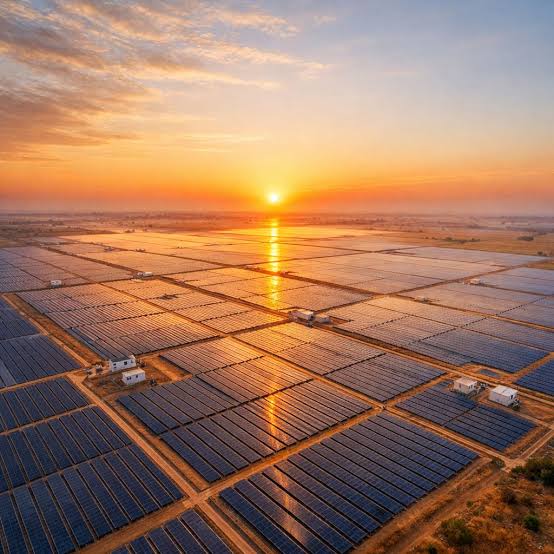
A solar installation is not made up of panels alone. Households and businesses often need inverters, batteries, mounting structures, wiring and professional installation services before a system can become operational.
Consequently, a reduction in the tax component of imported equipment does not automatically guarantee an equivalent reduction in the total cost of installing a functional solar system.
This is where implementation becomes critical.
ACEP’s broader assessment of the 2027 Budget stresses that “The direction is right. Whether it works depends on how well the plans are designed, how carefully public money is spent, and whether the technical and financial gaps get fixed.”
Although the observation addresses the Budget’s wider policy direction, it is particularly relevant to the solar exemption.
Without clear implementation arrangements, the Government may surrender tax revenue without achieving the expected improvement in consumer affordability.
Government must therefore establish which products qualify for the exemptions, clarify the treatment of related components and ensure that customs procedures do not create unnecessary delays or inconsistencies.
It should also consider publishing indicative prices for standard solar installations. Such information would provide consumers with a basis for comparing market prices and assessing whether the tax relief is being reflected in the cost of equipment.
The Implications for Ghana’s Electricity Market
The proposed exemption also has implications for the wider electricity sector.
As more households, commercial establishments and industrial consumers adopt solar systems, some may reduce their dependence on electricity purchased from distribution utilities.
This could ease demand on the national grid, particularly during periods of strong solar generation.
However, it also raises questions about how distribution utilities will recover the costs of maintaining the networks that consumers continue to rely on.
The challenge is not to discourage consumers from generating their own electricity. Rather, Ghana needs a framework that allows distributed renewable energy to complement the national grid without creating additional financial pressures for utilities.
Net metering is particularly important in this regard. It provides a framework through which consumers with eligible solar systems can manage electricity generated in excess of their immediate requirements.
But the benefits depend on clear arrangements for connecting systems, installing appropriate meters, measuring electricity flows and determining how surplus electricity is treated.
If solar adoption expands without predictable rules for grid connection and compensation, consumers may encounter uncertainty while utilities face difficulties planning for the changing structure of electricity demand.
The Government should therefore consider the tax exemption alongside the implementation of net-metering arrangements and the technical standards required for safe integration of distributed solar systems.
Solar Incentives Must Complement Energy Planning
The proposed exemption comes at a time when Government is pursuing a broader expansion of Ghana’s renewable energy infrastructure.
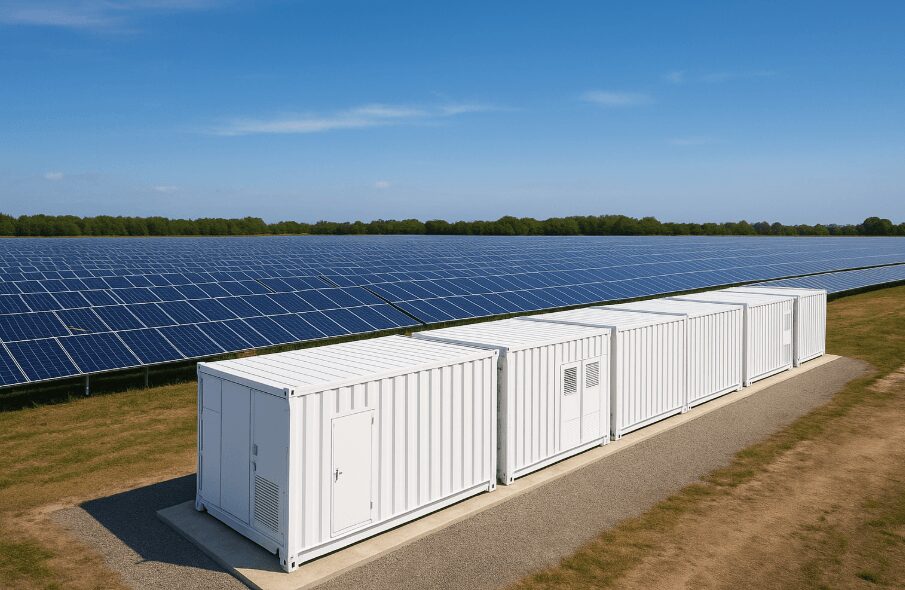
The 2027 Budget provides for a fully state-owned 600MW solar power plant supported by 2,000MWh of battery storage.
The battery system is intended to shift daytime solar generation into peak demand periods and support grid stability.
These investments serve a different purpose from household and commercial solar installations.
Utility-scale projects contribute to national electricity supply, while distributed systems can help individual consumers meet part of their electricity needs.
Both are relevant to Ghana’s energy transition, but they require different financing, regulatory and infrastructure arrangements.
The Government must also ensure that the proposed tax relief does not become an isolated intervention without sufficient attention to equipment quality and consumer protection.
Poor-quality panels, batteries and inverters could undermine the financial benefits of solar adoption, particularly where consumers have limited information about product specifications, warranties and maintenance requirements.
The Energy Commission and relevant regulatory institutions will therefore have an important role in ensuring that the expansion of the market is supported by appropriate technical standards.
Measuring What Consumers Actually Save
For ACEP, the central issue is whether the policy produces results that can be measured.
Government should disclose the estimated revenue cost of the exemptions and establish a monitoring mechanism to track the prices of eligible solar equipment before and after implementation.
It should also publish the legal and administrative instruments giving effect to the policy, including the precise categories of equipment covered.
Such transparency would help determine whether the intervention is achieving its intended objective or merely reducing the tax burden on importers without significantly changing consumer prices.
There is also a need to assess which categories of consumers are benefiting. Households, farmers, schools, health facilities and businesses have different electricity requirements and financial capacities.
A policy that makes solar more affordable for large commercial users but remains beyond the reach of ordinary households may not deliver the broad-based energy-access benefits Government is seeking.
Ghana’s solar potential is considerable, but the ability to harness it depends on more than the availability of sunshine and imported equipment.
The proposed tax relief is a positive policy signal. However, its success should not be measured by the number of exemptions granted or the volume of solar equipment imported.
The more important question is whether households and businesses can actually acquire reliable solar systems at lower prices.
ACEP’s analysis brings that question into focus. Unless the Government connects tax relief to transparent pricing, effective regulation and a workable electricity-market framework, the expected consumer savings may remain more ambitious than the results delivered.
READ ALSO: IMANI Pulse Shows Mahama Commanding Online Political Attention