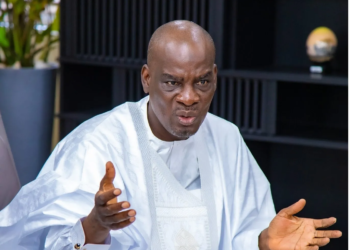

Dr Kojo Pumpuni Asante, Director of Policy Engagement and Partnerships at the Ghana Center for Democratic Development (CDD-Ghana), has warned that corruption deprives young Ghanaians of essential opportunities, including quality education, healthcare and employment.
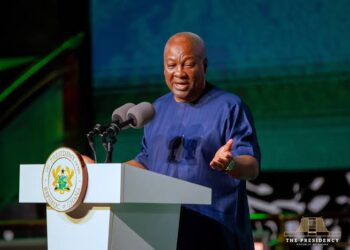
He made the remarks at the Youth Against Corruption Summit, Governance and Integrity Edition, organised by the Office of the Special Prosecutor (OSP), headed by Mr Kissi Agyebeng.
“For many young people, corruption is not an abstract governance problem. It is about the classroom that was never built, it is about the hospital without essential medical supplies, and the qualified young person denied employment because they lack political connections.”
Dr Kojo Pumpuni Asante, Director of Policy Engagement and Partnerships at the Ghana Center for Democratic Development (CDD-Ghana)
Corruption Deepens Inequality and Denies Young People Opportunities
Addressing participants at the summit, Dr Asante commended the OSP for recognising young people as strategic partners in the fight against corruption, describing the theme of building a generation of ethical leaders as timely.
He explained that corruption extends beyond financial misconduct and institutional wrongdoing, with far-reaching consequences for democratic governance and the everyday lives of citizens.
According to him, corruption undermines public confidence in democratic institutions, deepens social inequalities, compromises access to essential public services and restricts economic opportunities, particularly for young people seeking to establish themselves.
He therefore framed corruption as a development and social justice concern, arguing that its consequences are particularly evident in the opportunities denied to ordinary citizens. “Corruption is fundamentally an issue of opportunity, social justice, and the future of young people,” he stated.

Young People Must Be Recognised as Leaders Today
Dr Pumpuni Asante maintained that young people should not be regarded merely as beneficiaries of good governance or individuals preparing for future leadership. Rather, he described them as active participants in shaping and sustaining democratic accountability.
He challenged the conventional approach of discussing young people primarily as future leaders, noting that they already exercise leadership across universities, communities and workplaces.
For him, the composition of the summit’s organising team offered a practical demonstration of young people’s capacity to assume responsibility and contribute to institutional development. He observed that many OSP staff involved in organising the event were young and energetic.
He consequently urged stakeholders to recognise the leadership contributions of young people in the present rather than postponing their participation until they occupy positions of greater authority. “The question is not simply what kind of leaders young people will become tomorrow, but what kind of leaders they are today,” he emphasised.
Youth Accountability Must Begin With Student Leadership
Beyond demanding accountability from political leaders and public institutions, Dr Asante insisted that young people must demonstrate the same ethical standards in their personal conduct and leadership responsibilities.
Drawing on a point raised by Nana Aba Anamoah, the Ghanaian broadcast journalist who served as Master of Ceremonies for the summit, Dr Asante argued that young people must demonstrate the same accountability they demand from political leaders.

He maintained that young Ghanaians cannot consistently demand transparency from government while avoiding accountability for funds entrusted to their student associations.
He further challenged the inconsistency of condemning nepotism in public appointments while practising favouritism within student organisations. Similarly, he cautioned against denouncing vote buying in national elections while normalising the practice during student elections.
Such contradictions, he argued, weaken the credibility of young people’s demands for ethical leadership and undermine efforts to build a culture of accountability. “The standards we demand of our national leaders must be the same standards we apply to ourselves,” he stated.
Strong Institutions Must Make Corruption Costly
While emphasising individual responsibility, the CDD-Ghana director cautioned against treating corruption exclusively as a problem of personal morality. He explained that corruption is also rooted in systemic and institutional weaknesses, making strong, independent and effective accountability institutions essential to addressing the problem.
He identified effective law enforcement, transparent public financial management, protection for whistleblowers, credible sanctions for misconduct and political commitment at the highest level as critical requirements for strengthening Ghana’s accountability framework.
Dr Asante also stressed the responsibility of political parties and political actors in establishing an environment where integrity is prioritised over personal interests and political considerations.

He warned that public institutions cannot expect young people to embrace ethical conduct when existing governance arrangements appear to reward dishonesty, tolerate unexplained wealth and shield influential individuals from accountability.
“We cannot ask young people to embrace integrity while maintaining systems that reward dishonesty, celebrate unexplained wealth, punish whistleblowers, and allow powerful individuals to escape accountability.”
Dr Kojo Pumpuni Asante, Director of Policy Engagement and Partnerships at the Ghana Center for Democratic Development (CDD-Ghana)
He maintained that efforts to nurture ethical leadership must therefore be accompanied by institutional reforms that make corruption costly and unattractive while protecting individuals who expose wrongdoing.
CDD-Ghana Strengthens Institutional Accountability and Anti-Corruption Advocacy
Outlining CDD-Ghana’s contribution to Ghana’s anti-corruption efforts, Dr Asante highlighted the organisation’s longstanding engagement with state institutions, civil society organisations, the media, citizens and development partners.
He disclosed that CDD-Ghana had advocated for the establishment and strengthening of the Office of the Special Prosecutor. More recently, the organisation led 14 other civil society organisations in defending the constitutionality of the OSP before the Supreme Court.

He also referenced the GIZ and European Union-supported Paired Project, through which CDD-Ghana organised national and regional engagements examining the OSP’s independence, effectiveness and the institutional reforms required to strengthen its mandate.
During the organisation’s regional engagements, Dr Asante explained that stakeholders emphasised the importance of placing young people at the centre of anti-corruption sensitisation.
He argued that young people should participate as active partners, advocates and messengers within their communities, rather than being treated simply as audiences for public education campaigns.
Media Engagement and District-Level Accountability
Dr Asante further highlighted CDD-Ghana’s collaboration with the media through Corruption Watch, a one-hour programme broadcast on Joy FM and Adom FM. He explained that the initiative supports investigative journalism, brings alleged corruption to public attention and promotes accountability through sustained media engagement.
Under the Strengthening Accountability, Rule of Law and Institutional Responsiveness in Ghana (SARIS) project, CDD-Ghana has also worked with citizens in 24 districts to strengthen their capacity to identify and report corruption.
The initiative additionally supports citizens in following up on audit findings and recommendations, reinforcing public participation in monitoring institutional performance and demanding accountability from public officials.
Political Financing Reform Remains Critical to Fighting Corruption
Another area of concern highlighted by Dr Asante was the need for comprehensive legislation regulating political financing in Ghana and across Africa. He argued that the growing cost of political campaigns and the practice of vote buying contribute to patronage networks that undermine democratic accountability.
He referenced CDD-Ghana’s Democracy Watch newsletter, which has examined the relationship between campaign financing, vote buying and political patronage while advocating for the adoption of a model law on political financing.
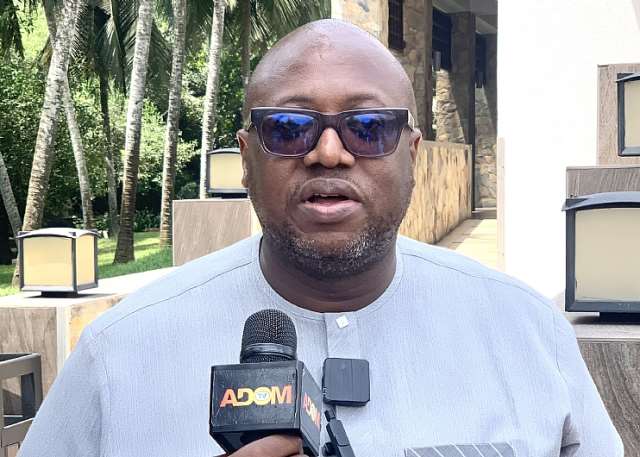
Concluding his remarks, Asante urged participants to ensure that the summit produces outcomes beyond public discussions and annual awareness activities. He called for a transition from conventional anti-corruption sensitisation campaigns towards sustained youth-led initiatives capable of strengthening accountability within communities and public institutions.
He also reaffirmed CDD-Ghana’s commitment to collaborating with the Special Prosecutor, Mr Kissi Agyebeng, and other accountability institutions, including through its membership of the Ghana Anti-Corruption Coalition.
His message placed responsibility on both young citizens and the institutions governing them: young people must demonstrate integrity in their everyday leadership, while the state must establish systems that protect accountability and punish corruption.
READ ALSO: France Applauds Ghana’s Economic Turnaround, Praises Ato Forson