Ghana’s intervention at the close of COP31 has exposed a difficult contradiction in international climate negotiations: African countries are increasingly united in demanding climate finance from developed economies, yet their willingness to preserve consensus within the UN process can leave critical financing demands without firm commitments.
Speaking on behalf of the African Group, Ghana acknowledged shortcomings in the final negotiating text on climate finance, loss and damage and the just transition, but indicated that the continent would not stand in the way of consensus.
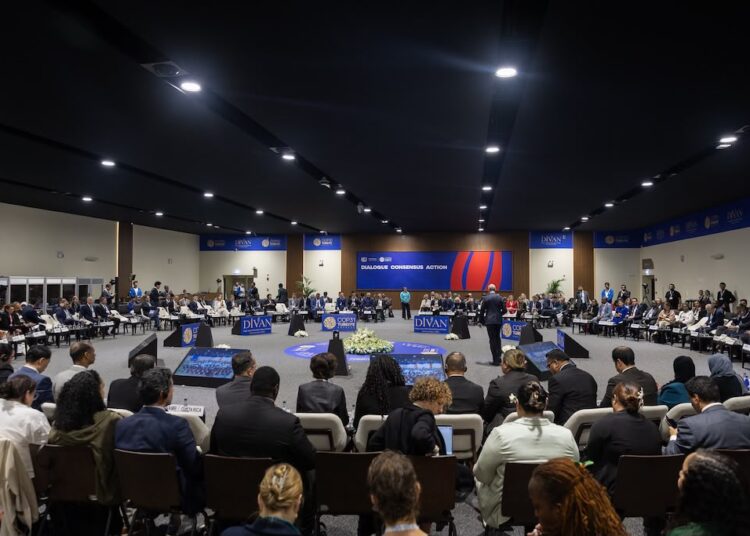
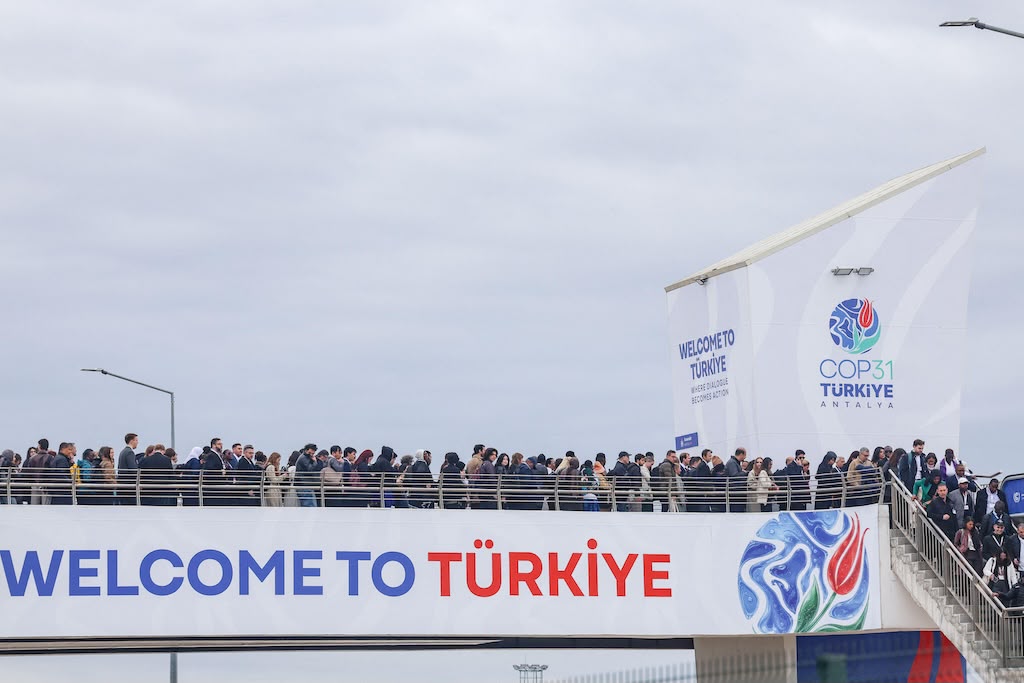
The position followed two weeks of negotiations in Antalya, Türkiye, which ended on November 22, 2026, without an overarching political agreement after countries failed to resolve disagreements over fossil fuels and the ambition of the final text.
For Ghana and other African countries, the outcome raises a question that extends beyond the diplomatic process: how can the continent secure the financial resources required to adapt to climate change and pursue cleaner energy development when international negotiations continue to produce compromises without sufficiently defined delivery commitments?
The concern is particularly significant for Ghana, which must finance climate adaptation, expand renewable energy, protect vulnerable communities and manage the economic implications of its energy transition while continuing to pursue industrial development.
Africa’s Climate Finance Demands Remain Unresolved
Ghana’s position at COP31 reflected concerns that had been articulated by African ministers throughout the negotiations.
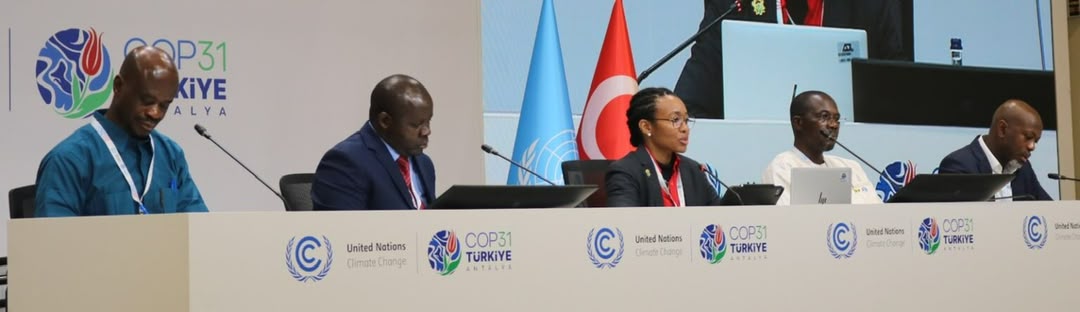
On November 20, Ghana’s Minister for Environment, Science and Technology, Dr Zanetor Agyeman-Rawlings, led a joint briefing by African ministers calling for predictable public climate finance, a clear delivery timetable and support for a just transition that creates economic opportunities on the continent.
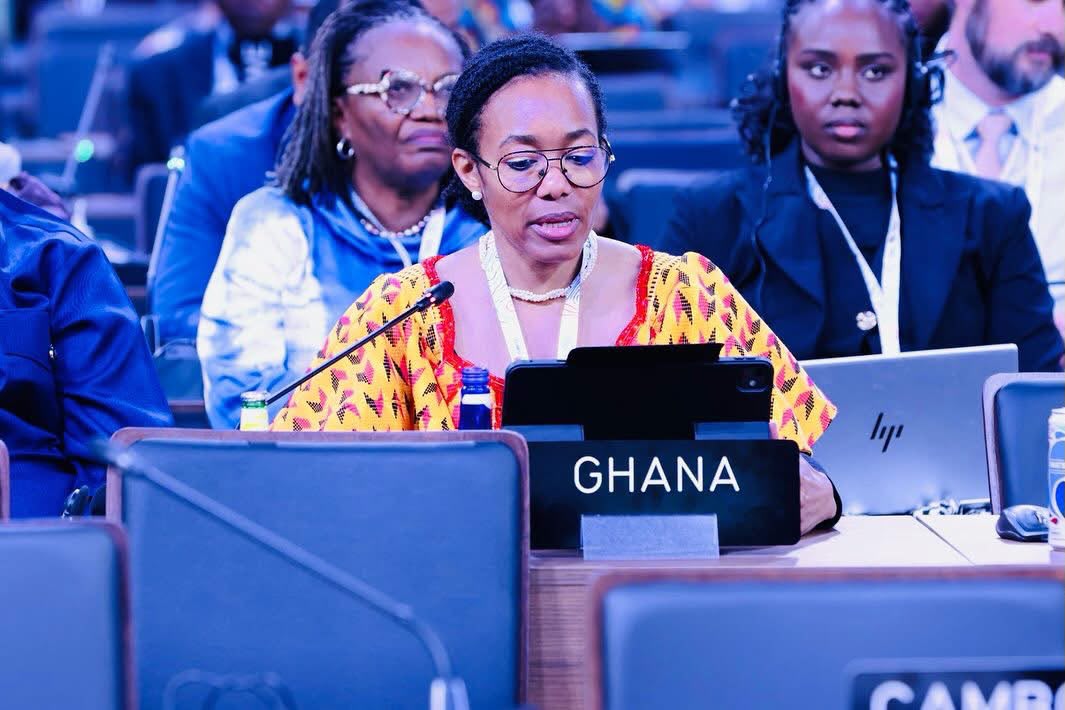
The ministers argued that developing countries should not be expected to accept additional climate obligations without the financial resources, technology and capacity-building support required to implement them.
Dr Agyeman-Rawlings made the continent’s position particularly clear:
“We didn’t come here to beg. We came here to claim what is rightfully ours for our people who are suffering the brunt of anthropogenic activities of developed countries.”
The statement reflects a longstanding argument under the UN climate framework: developed countries have greater historical responsibility for greenhouse gas emissions and should provide financial support to developing countries facing the consequences.
However, the final COP31 negotiations did not produce the level of clarity African countries sought.
An earlier draft included a proposed figure of US$120 billion for adaptation finance, but the quantified target was removed during subsequent revisions. The final outcome deferred further consideration of a financing delivery pathway until 2027.
This is consequential because a financial ambition without a defined baseline, annual milestones or a delivery mechanism makes it difficult for developing countries to determine what resources they can realistically expect.
The scale of the challenge is substantial. The United Nations Environment Programme’s adaptation finance assessments have highlighted the widening gap between the resources available to developing countries and their projected adaptation needs.
For African economies, that gap affects everything from flood protection and agricultural resilience to water infrastructure, health systems and energy security.
The Just Transition Question
The negotiations also exposed disagreements over what a fair energy transition should mean for developing economies.
For African countries, the transition cannot be measured exclusively by how quickly fossil fuel consumption declines. It must also account for electricity access, industrialisation, employment, energy affordability and the ability of countries to develop their natural resources.
Ghana illustrates this tension.
The country continues to pursue investments in renewable energy, electricity storage and cleaner cooking while maintaining an important role for natural gas in its electricity generation strategy.
Gas is expected to support power generation and industrial activity as Ghana expands its renewable energy capacity. However, continued investment in fossil fuel infrastructure also creates questions about long-term emissions, asset utilisation and the country’s ability to align future energy investments with its climate commitments.
The challenge is not simply choosing between gas and renewables. It is establishing a credible investment pathway that improves electricity reliability and affordability without locking the country into infrastructure that becomes economically or environmentally unsustainable.
That is why the just transition debate matters to Ghana.
A transition that requires developing countries to reduce emissions without providing affordable financing, technology and industrial opportunities risks transferring the economic costs of decarbonisation to countries that have contributed relatively little to historical emissions.
At the same time, the argument for development cannot be used to postpone investment in cleaner energy, efficiency and climate resilience.
The policy challenge is to make the transition economically viable rather than treating climate commitments and development priorities as competing objectives.
What the COP31 Outcome Means for Ghana
The absence of an overarching political agreement does not mean COP31 produced no outcomes.
Individual negotiating tracks recorded decisions, including progress on the just transition, while initiatives under the conference’s action agenda addressed areas such as electrification, resilience and investment.
Nevertheless, the failure to agree on the wider political package exposed the limits of consensus-based negotiations when countries have sharply different positions on fossil fuels, climate finance and historical responsibility.
United Nations Secretary-General António Guterres described the outcome as deeply disappointing, warning that the lack of consensus did not change the urgency of the climate crisis.
“There may be no consensus in the negotiating room. There is no ambiguity in the science.”
For Ghana, the practical implications will depend partly on whether international financing commitments translate into accessible resources for national climate programmes.
The country needs investment in resilient electricity infrastructure, renewable energy, storage, climate-smart agriculture and flood management. These priorities require financing that is affordable, predictable and structured around the economic realities of developing countries.
The terms of that financing matter as much as the amounts announced.
Where climate funding is largely delivered through expensive loans, countries already managing significant debt pressures could face additional fiscal constraints.
Grant-based support and concessional financing are therefore particularly important for adaptation projects that generate substantial public benefits but may not produce direct commercial returns.
Ghana must also strengthen its own ability to prepare bankable projects, improve institutional coordination and demonstrate how climate finance is being deployed.
International negotiations cannot substitute for domestic policy execution.
Addis Ababa Must Be More Than Another Negotiating Round
With Ethiopia expected to host COP32 in November 2027, the next phase of negotiations will provide African countries with an opportunity to pursue the financing questions that remained unresolved in Antalya.
Ghana’s climate minister has already emphasised the need for a clear adaptation finance baseline, annual milestones, public tracking and a delivery plan.
Those demands provide a practical basis for measuring progress rather than relying on broad political declarations.
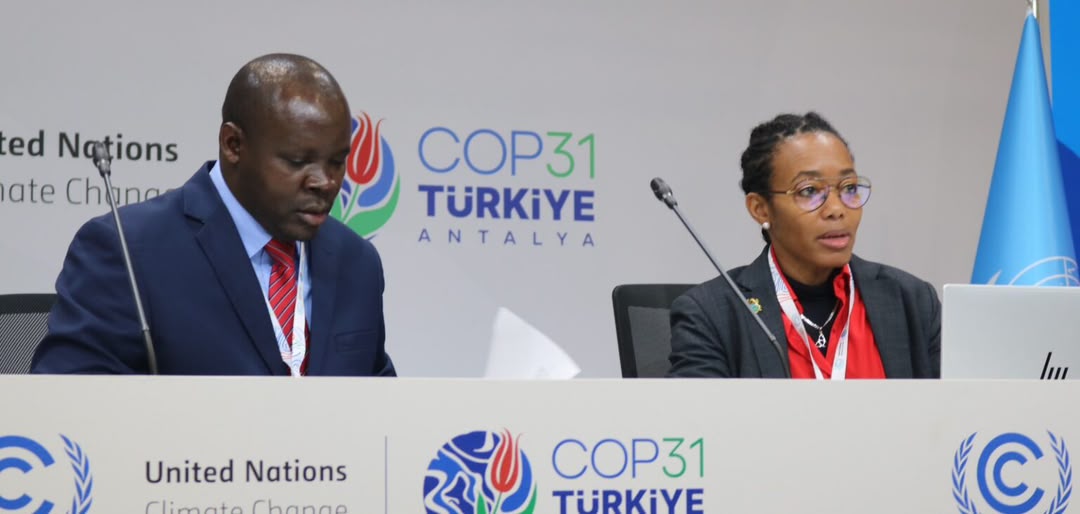
For the African Group, the challenge will be maintaining a united negotiating position while pressing for specific outcomes on adaptation finance, loss and damage, technology transfer and industrial development.
Ghana’s decision not to obstruct consensus at COP31 may reflect a desire to preserve the multilateral process and the progress achieved in individual negotiating areas.
But the country and the wider continent must ensure that diplomatic compromise does not become an excuse for postponing the delivery of financial commitments.
The real measure of COP31 will not be the number of declarations adopted in Antalya. It will be whether the decisions and initiatives emerging from the conference improve the ability of countries such as Ghana to finance climate action without undermining their development priorities.
As preparations begin for COP32, Africa’s task is therefore to move from demanding recognition of its climate vulnerabilities to securing financing arrangements that can be measured, accessed and implemented.
For Ghana, the next climate negotiations must deliver more than another expression of solidarity. They must help turn the country’s climate ambitions into funded projects and tangible economic outcomes.
READ ALSO: Mahama Courts German Investors with Ghana’s Recovery, $10bn New Economy Plan