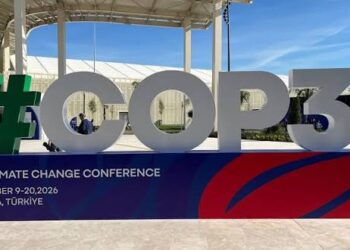
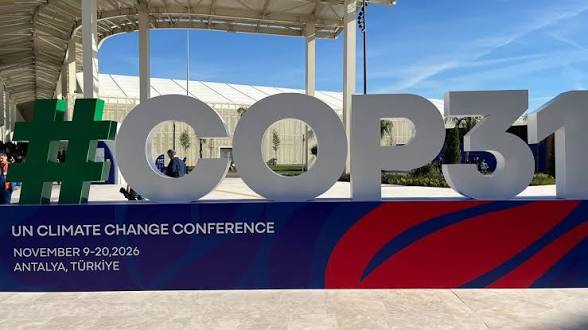
A proposed global target to increase electricity’s share of final energy consumption to 35 per cent by 2035 has placed the future of fossil fuels and the pace of electrification at the centre of negotiations at COP31, raising important questions for energy-producing countries such as Ghana.
The COP31 Presidency on Monday, November 16, released the first draft of a proposed political agreement calling for accelerated action towards a transition away from fossil fuels, alongside a stronger global push for electrification.
The 144-paragraph draft includes a proposed goal for electricity to account for 35 per cent of total final energy consumption by 2035, with countries pursuing the objective through nationally determined approaches.
It also contains language calling for accelerated action to phase out fossil fuels, including a more ambitious formulation urging an immediate transition away from fossil fuels in energy systems.
The proposals are likely to generate difficult negotiations because they touch on the economic interests of oil- and gas-producing countries, the financing needs of developing economies and the pace at which electricity can replace fossil fuels across transport, industry and other sectors.
For Ghana, the discussion comes at a time when Government is pursuing additional gas-fired generation capacity, renewable energy expansion and nuclear power development as part of its strategy to strengthen electricity supply.
The proposed global direction therefore raises a key planning question: how can Ghana expand electrification and maintain reliable power supply while managing its dependence on natural gas and the long-term role of its petroleum resources?
Fossil Fuel Language Divides Negotiating Positions
The draft reflects two different formulations on the future of fossil fuels.
One reaffirms the language agreed at COP28 in Dubai, which called for countries to transition away from fossil fuels in energy systems in a just, orderly and equitable manner.

A second formulation goes further by calling for accelerated action to phase out fossil fuels, including an immediate transition away from their use in energy systems.
The inclusion of both positions indicates that the issue remains contested and that the language in the initial draft is not yet an agreed outcome.
Australian Climate Change and Energy Minister and COP31 President of Negotiations Chris Bowen acknowledged that the document was intended to expose differences and provide a basis for further negotiations.
“This is a draft, a first draft. It won’t be the final draft. It is very much to enable consideration over the next week,”
He also acknowledged that some of the proposals would face opposition.
“There are elements in this draft that not all parties will agree on.”
On the inclusion of fossil fuel transition language, Bowen defended the decision to place the subject directly before negotiators.
“Is it appropriate that there’s a conversation about fossil fuels in the draft? Absolutely.”
The discussions are particularly important for developing economies whose energy systems still rely on fossil fuels for electricity generation, industrial activity and transport.
Electrification Adds Another Dimension
Beyond fossil fuel transition language, the proposed 35 per cent electrification target could have significant implications for how countries plan their energy systems.
The draft calls for electricity to account for a larger share of final energy consumption by 2035, reflecting the role of electrification in reducing emissions across different sectors of the economy.
Bowen argued that expanding electricity use would be essential to achieving the global climate goals.
“We don’t have a chance of 1.5 without a strong focus on electrification, and that’s reflected in the draft,”
Electrification involves replacing technologies and processes that directly consume fossil fuels with electricity, including electric vehicles, electric cooking systems and industrial applications.
However, the climate benefits depend partly on how the electricity is generated. Expanding electricity consumption without increasing low-emission generation could simply shift emissions from end users to power producers.
This makes generation capacity, transmission infrastructure, distribution reliability and the cost of electricity central to any serious electrification strategy.
The draft also calls for tripling global renewable energy capacity and doubling the annual rate of energy-efficiency improvements by 2030.
These proposals are not yet binding national targets. Their final form will depend on negotiations and the agreement reached by participating countries.
Ghana’s Energy Expansion Faces A Balancing Act
Ghana’s energy plans illustrate the practical considerations behind the COP31 debate.
The 2027 Budget outlines plans for a 1,450MW state-owned thermal power plant, alongside 600MW of solar generation and 2,000MWh of battery storage.
Government has also proposed a US$200 million nuclear-readiness programme to advance preparations for a fully state-owned nuclear power plant.
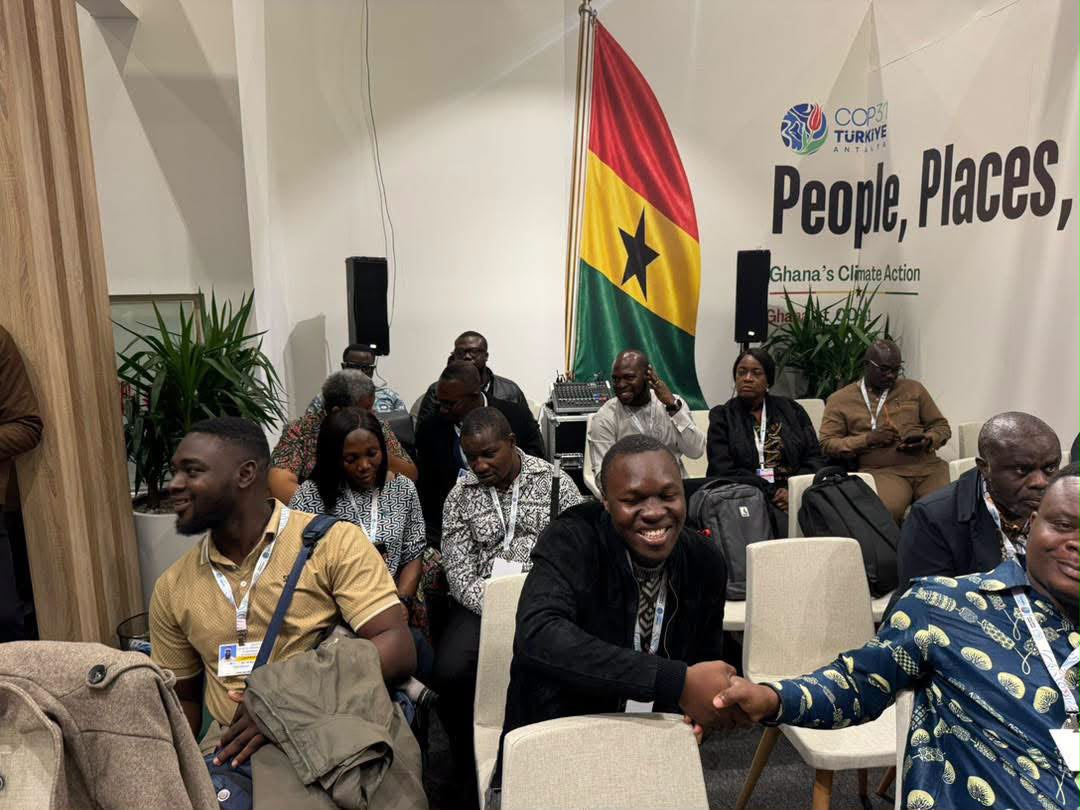
These plans reflect the country’s effort to expand generation capacity and improve electricity reliability while diversifying its energy mix.
Natural gas remains important to Ghana’s electricity generation system, while the proposed solar and battery investments are intended to increase renewable generation and support power supply during peak demand periods.
The global debate over fossil fuels is therefore relevant to Ghana not simply because it produces oil and gas, but because its electricity expansion plans must balance energy security, affordability, emissions reduction and the availability of reliable generation.
A stronger electrification drive could also increase demand for electricity in sectors that currently depend on petroleum products and other fuels.
That would require investment in generation, grid infrastructure and distribution systems to prevent increased consumption from worsening existing supply constraints.
At the same time, the transition away from fossil fuels raises questions about how Ghana will manage its petroleum resources, attract upstream investment and prepare for changing global energy markets.
Adaptation Finance Also Enters The Draft
The proposed agreement goes beyond energy and includes a call to increase annual adaptation finance for developing countries to at least US$120 billion by 2035.
The proposal seeks to triple adaptation finance and establish a pathway for developed countries to increase their collective support to vulnerable economies.

It also includes calls for stronger methane monitoring, leak detection and repair, alongside efforts to eliminate routine gas flaring and venting.
For Ghana, these provisions are relevant to both its climate resilience priorities and the management of emissions from its petroleum industry.
The draft, however, remains a negotiating document. The proposed financing target, fossil fuel language and electrification goal have not yet been adopted as a final COP31 decision.
The coming negotiations will determine whether countries can agree on a common direction while addressing concerns over implementation, energy access, financing and national circumstances.
For Ghana, the outcome will matter because the country’s energy choices are being shaped by two simultaneous demands: expanding reliable electricity supply to support economic growth and preparing its energy system for a global transition that is increasingly focused on electrification and lower emissions.
READ ALSO: UK Sanctions Eight Firms Over West Bank Settlement Expansion