The Ghana Geological Survey Authority (GGSA) is set to launch targeted geological exploration across designated block-out areas for artisanal and small-scale mining (ASM) in selected communities nationwide, deploying scientific prospecting to eliminate guesswork and curb destructive extraction practices.
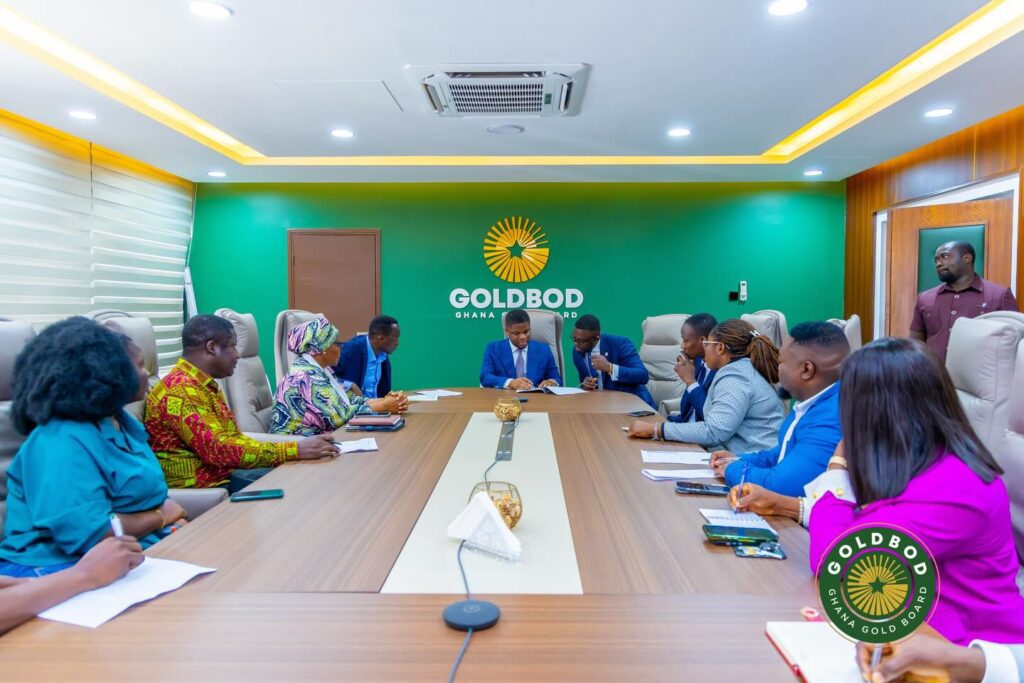
Backed by joint funding from the Ghana Gold Board (GoldBod) and the Mineral Development Fund (MDF), the state-led intervention equips small-scale operators with verified mineral data before excavation begins.
Simultaneously, high-level discussions are advancing with the Minerals Income Investment Fund (MIIF) to secure supplementary capital that will broaden the geographic reach of the prospecting exercise and reinforce regulatory compliance across mining districts.
“Responsible practices remain a major challenge in the small-scale mining industry. The initiative is being funded by the Ghana Gold Board and the Mineral Development Fund.”
Ghana Geological Survey Authority (GGSA)
Eliminating Blind Prospecting and Environmental Degradation
For decades, artisanal and small-scale mining has anchored rural livelihoods across Ghana’s gold-bearing belts, yet the sub-sector has remained trapped in a cycle of “trial-and-error” digging that devastates arable land and river systems.
Without reliable subsurface geological mapping, licensed operators and informal miners frequently clear vast tracts of forest cover and excavate riverbeds in search of alluvial deposits, abandoning unreclaimed pits whenever yields prove uneconomical.
Resourcing the GGSA directly addresses this foundational deficit by shifting small-scale operations from speculative digging to data-driven extraction.
Under the Minerals and Mining Act, 2006 (Act 703), the state holds the mandate to designate specific zones for small-scale operations, and prior geological investigation ensures that allocations within these block-out areas contain commercially viable ore grades.
Industry analysts note that when miners receive verified data detailing deposit depth, ore concentration, and appropriate extraction methods, environmental footprints shrink dramatically.
Furthermore, accurate geological delineation curtails encroachment into protected forest reserves and water bodies, offering a durable alternative to costly militarized taskforces that treat symptoms rather than root causes.
Multi-Agency Financing and Institutional Synergy
Executing nationwide geological surveys requires sustained capital expenditure for core drilling, geochemical sampling, and geophysical mapping costs that individual small-scale miners cannot bear independently.
The financial partnership uniting GoldBod and the MDF bridges this capital gap while aligning commercial traceability with community development mandates.
As the sole statutory authority mandated to buy, assay, and export precious minerals from the ASM sector, GoldBod relies on legitimate, environmentally compliant supply chains to meet international Environmental, Social, and Governance (ESG) benchmarks.
Financing upstream geological exploration allows the board to guarantee responsible sourcing from the point of extraction, curbing gold smuggling and strengthening value-chain traceability.

Meanwhile, the MDF’s participation fulfills its core statutory obligation to reinvest mineral royalties into sustainable mining infrastructure and host-community resilience.
Bringing MIIF into the financing framework further amplifies this institutional synergy, leveraging sovereign mineral wealth to build technical capacity among indigenous operators and reduce reliance on predatory foreign financiers.
Formalizing Cooperative Mining for Long-Term Value
Beyond immediate environmental protection, pre-explored block-out areas establish a transparent foundation for cooperative mining schemes and formal credit access.
Historically, commercial banks and equipment leasing firms have shunned indigenous small-scale miners due to the absence of bankable geological reports proving reserve estimates.
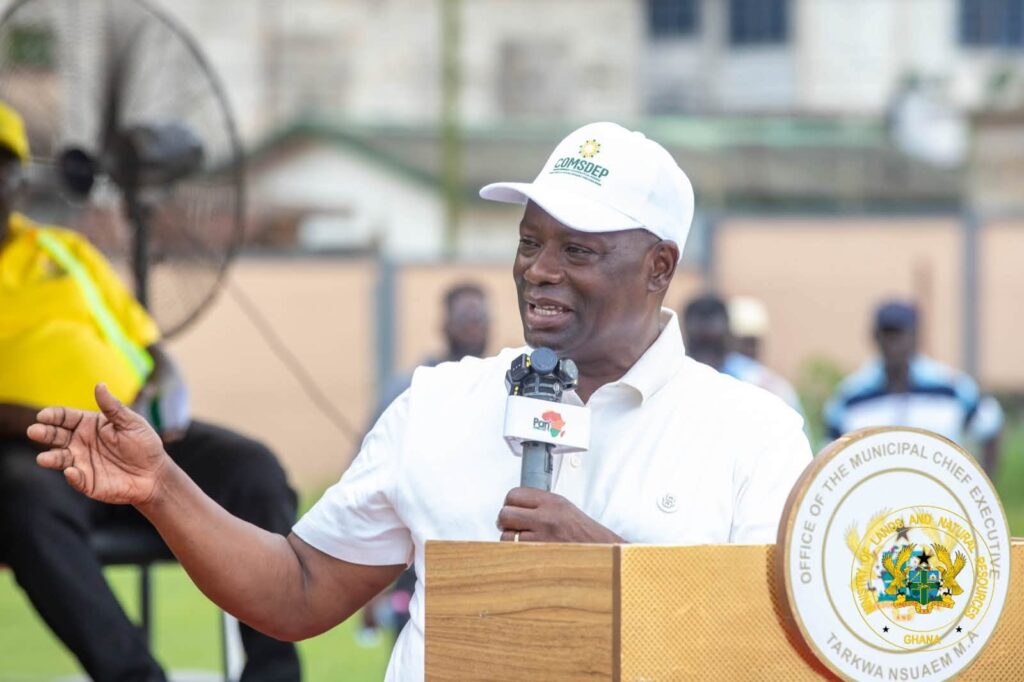
With GGSA-certified geological data attached to demarcated concessions, registered mining cooperatives can present credible feasibility profiles to access modern, mercury-free processing machinery and working capital.
Sector observers emphasize that “sanitising the small-scale mining landscape requires making legal, scientifically guided mining more profitable than illicit operations,” an outcome directly served by state-sponsored exploration.
As discussions with MIIF progress toward formalizing additional funding tranches, the collaboration among the GGSA, GoldBod, and the MDF signals a decisive structural reform in Ghana’s extractive governance one that anchors job creation, fiscal revenue mobilization, and ecological restoration on sound geological science.
READ ALSO: Mahama Calls for More Ghanaian-Owned Processing Factories Nationwide