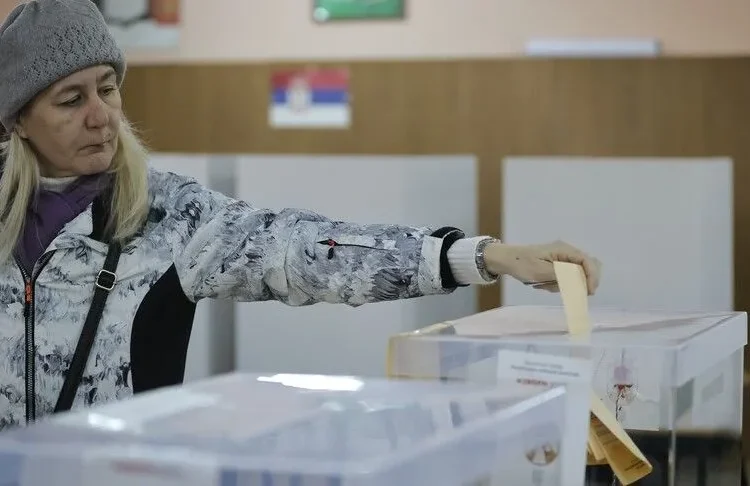
Serbia will hold an early presidential election on December 27 following the resignation of former President Aleksandar Vučić, whose attempt to return to power as Prime Minister ended in defeat in October’s parliamentary elections.
Parliament Speaker Aleksandar Čupić announced the decision which sets the stage for another major electoral contest following Vučić’s defeat.
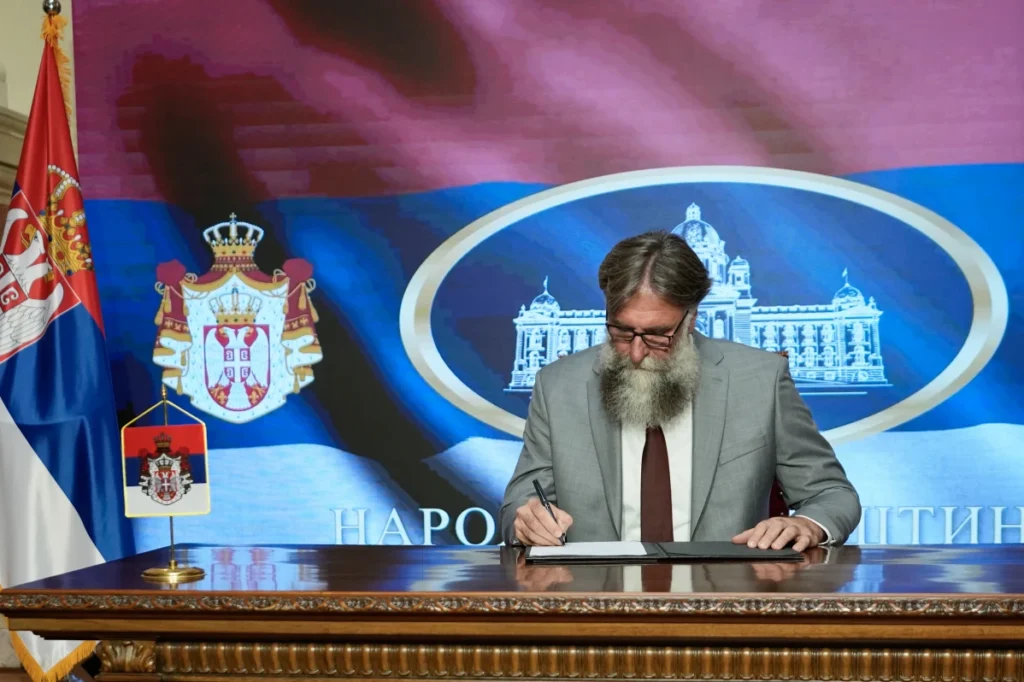
Čupić signed the decision at the National Assembly in Belgrade today, formally launching the electoral process. The election was called a day before the legal deadline and will take place just over two months after the October 25 parliamentary vote.
The presidential election follows Vučić’s resignation in September to contest the parliamentary election as a candidate for Prime Minister. His bid ended in defeat, with candidates nominated by a student-led protest movement securing victory over his party, which had dominated Serbian politics for 14 years.
Vučić had been unable to seek another presidential term after serving two near-complete five-year terms, as Serbia’s constitution bars Presidents from serving more than two terms.
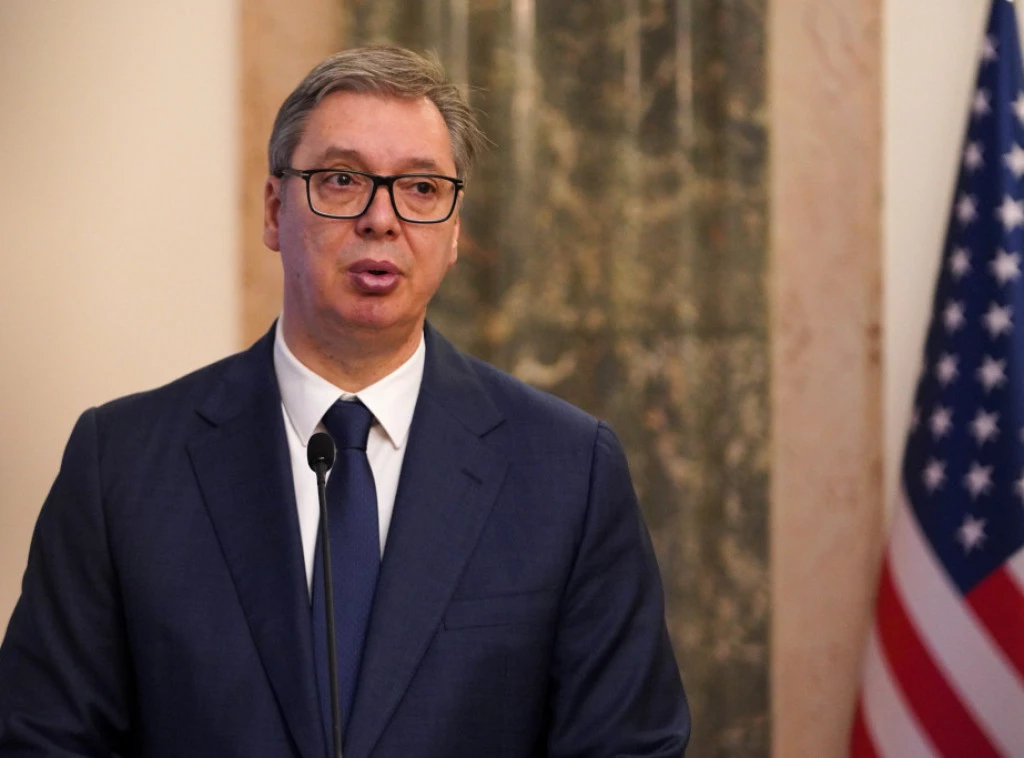
Čupić, who was elected parliament Speaker on November 19, assumed the responsibilities of acting President after his predecessor, Ana Brnabić, stepped down from the role.
Čupić urged voters to participate in the forthcoming vote, saying, “I call all citizens of Serbia to show responsibility and come out and vote on 27 December.”
He also expressed hope that the campaign would offer voters a meaningful choice between candidates and their proposed programmes.
“I hope we will have a tough choice between top candidates and their programs. Building democratic institutions is the task for all of us.”
Aleksandar Čupić
Student Movement Prepares To Nominate Candidate
The identity of the presidential candidates remains uncertain, although the student-backed Students’ List has indicated that it will announce its nominee shortly after the election was called.
The movement secured a parliamentary majority in October after leading two years of protests demanding an end to corruption and greater accountability in government.
Several other political figures have also expressed interest in contesting the presidency, including Branimir Nestorović, leader of the We – Voice from the People movement, and businessman Bogoljub Karić.
Vučić has suggested that his Serbian Progressive Party could choose not to participate in the presidential election, leaving uncertainty over how the party intends to respond to its recent parliamentary defeat.
The presidency in Serbia is largely ceremonial. The President serves as Commander-in-chief of the armed forces and has a role in foreign policy but does not exercise executive powers.
However, during his time in office, Vučić was accused by critics of concentrating political authority in the presidency. He frequently announced major government decisions and policies and presided over government sessions, despite the office’s limited formal executive responsibilities.
Since the October election, Vučić has accused the incoming political forces of imposing what he called “revolutionary terror.” His government, however, remains technically in office until a new administration is formed.
The political transition has also been accompanied by increased detentions of public officials and police officers suspected of abusing their positions during Vučić’s rule.
Protests Over Corruption Reshape Serbian Politics
The student-led movement that defeated the SNS emerged from widespread demonstrations following the collapse of a canopy at a railway station in Novi Sad, northern Serbia, which killed 16 people.
The tragedy triggered public anger, with many protesters blaming alleged corruption and negligence during renovation work at the station.
Students subsequently led sustained demonstrations over two years, demanding accountability for the deaths and broader action against corruption.
The protests developed into a wider political movement that challenged Vučić’s long-standing dominance and eventually secured a parliamentary majority in the October 25 election.
The parliamentary result marked a significant shift in Serbia’s political landscape after 14 years of rule by Vučić and his party.
The December presidential election will provide another test of the political changes underway, particularly as the student movement prepares to enter the contest with its own candidate.
Under Serbian law, a presidential election must be held within three months when a president leaves office before completing the term. The December 27 date falls within that required period following Vučić’s September resignation.
Serbia’s President is elected directly by voters for a five-year term. A candidate must secure an absolute majority in the first round to win outright. If no candidate achieves that threshold, the two leading contenders proceed to a runoff.
With the candidates yet to be confirmed, the campaign is expected to focus on the country’s political direction, democratic institutions and demands for accountability following the student-led protests.
READ ALSO: CDD-Ghana: Corruption Steals Classrooms, Jobs and Opportunities From Ghanaian Youth