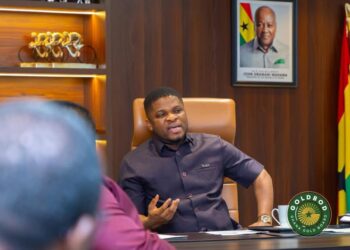
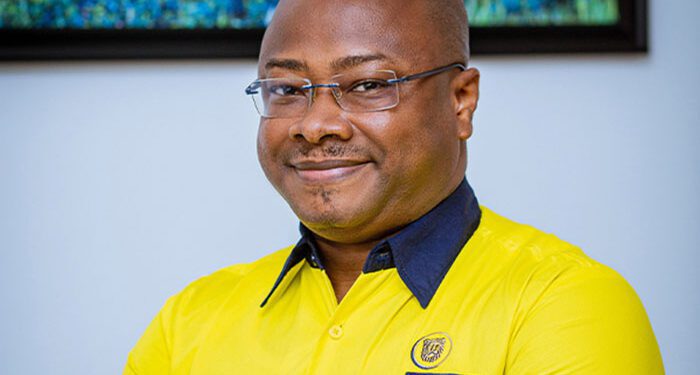
The President of the Ghana Chamber of Mines, Michael Edem Akafia, has called for urgent reforms in Ghana’s mining sector, stressing the need to diversify beyond gold, invest in infrastructure, and strengthen value addition if the country is to achieve lasting economic transformation from its mineral wealth.
Mr. Akafia cautioned that Ghana’s overwhelming dependence on gold, accounting for nearly 90 percent of the country’s mining export value poses risks to economic stability.
While gold has been central to foreign exchange earnings and the recent strengthening of the cedi, he noted that heavy reliance on a single mineral exposes the economy to price shocks on the global market.
“What we need is stability, not volatility.
“This current success should be a pivot towards value addition and diversification.”
Michael Edem Akafia, President of the Ghana Chamber of Mines
Mr. Akafia underscored the strategic importance of other minerals such as bauxite, manganese, and lithium, which are increasingly in global demand.
However, he stressed that exploiting these resources requires tailored infrastructure development, particularly railways, to transport bulk minerals efficiently and sustainably.
“For bulk minerals like bauxite and manganese, rail infrastructure is essential. Unlike gold, which can be airlifted, bulk minerals transported by road damage national infrastructure.
“Investment must therefore go hand-in-hand with railway development.”
Michael Edem Akafia, President of the Ghana Chamber of Mines
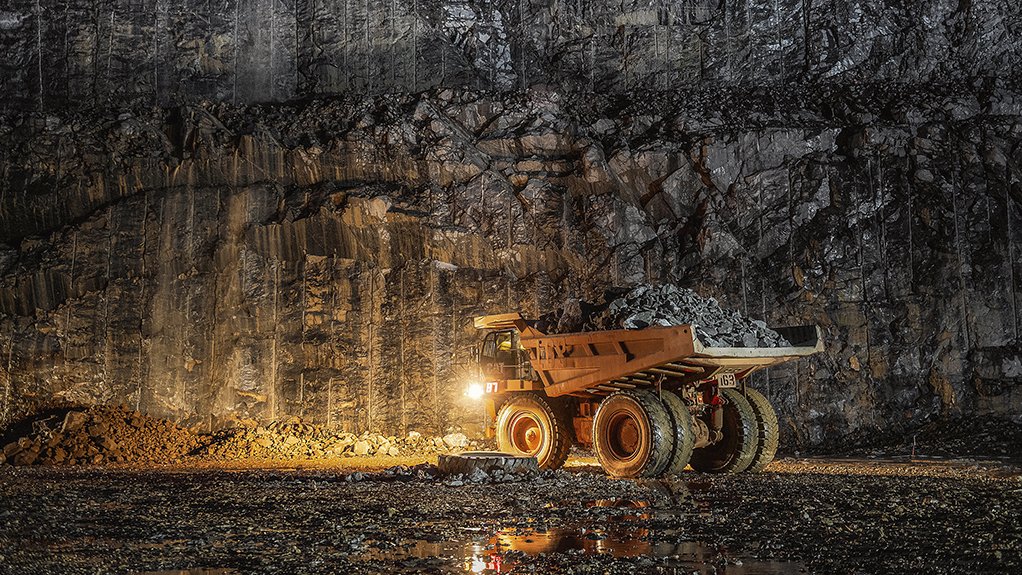
He added that the global energy transition offers Ghana a unique opportunity to leverage its deposits of critical minerals such as lithium, but this potential can only be realised if the country invests in value addition and local processing.
Ghana, Africa’s top gold producer, has benefited immensely from strong gold production and favorable prices in recent months.
According to Mr. Akafia, the inflow of gold revenues has been instrumental in stabilising the cedi and boosting the country’s foreign exchange reserves.
But he cautioned that the country cannot rely indefinitely on global gold prices, which remain outside its control.
“Gold has been the backbone of stability in recent times, but that success is precarious.
“We must channel it into a broader industrialisation drive that ensures resilience even when gold prices fluctuate.”
Michael Edem Akafia, President of the Ghana Chamber of Mines
Making Mining’s Impact More Visible
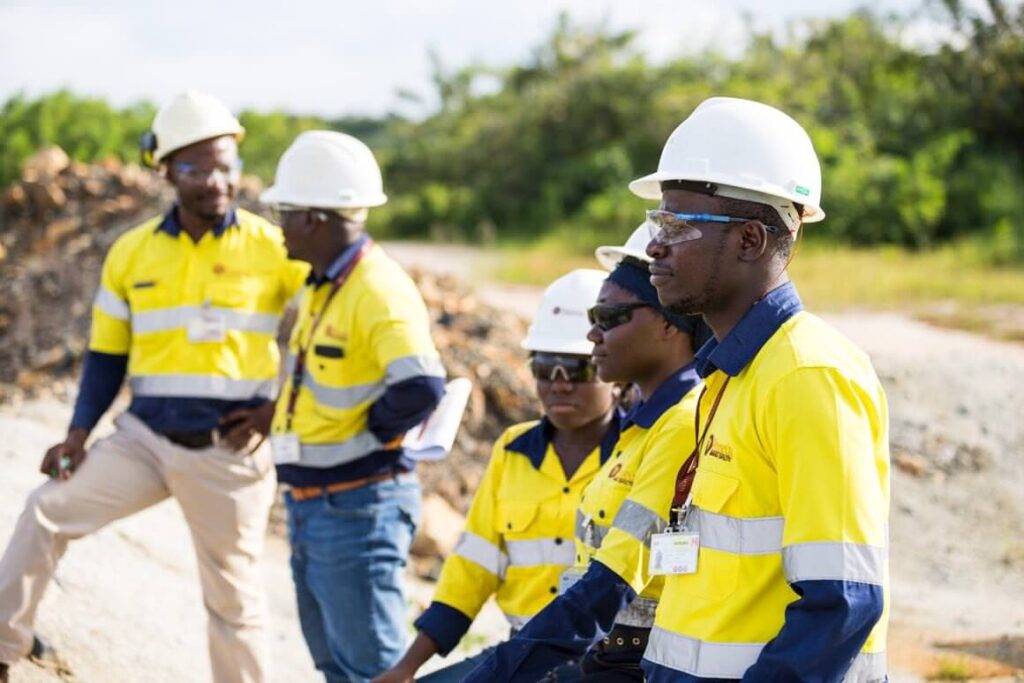
Mr. Akafia acknowledged widespread public perception that mining’s contribution to national development is less visible compared to oil revenues.
He contrasted mining’s fiscal regime with the Petroleum Revenue Management Act, which ring-fences oil proceeds for specific, highly visible projects.
In contrast, mining royalties and taxes flow into the consolidated fund, where they are often absorbed into broader government spending, making the sector’s contributions less apparent to citizens.
“While mining contributes significantly to national revenues, the visibility of that contribution remains limited.
“This disconnect affects how Ghanaians perceive the sector.”
Michael Edem Akafia, President of the Ghana Chamber of Mines
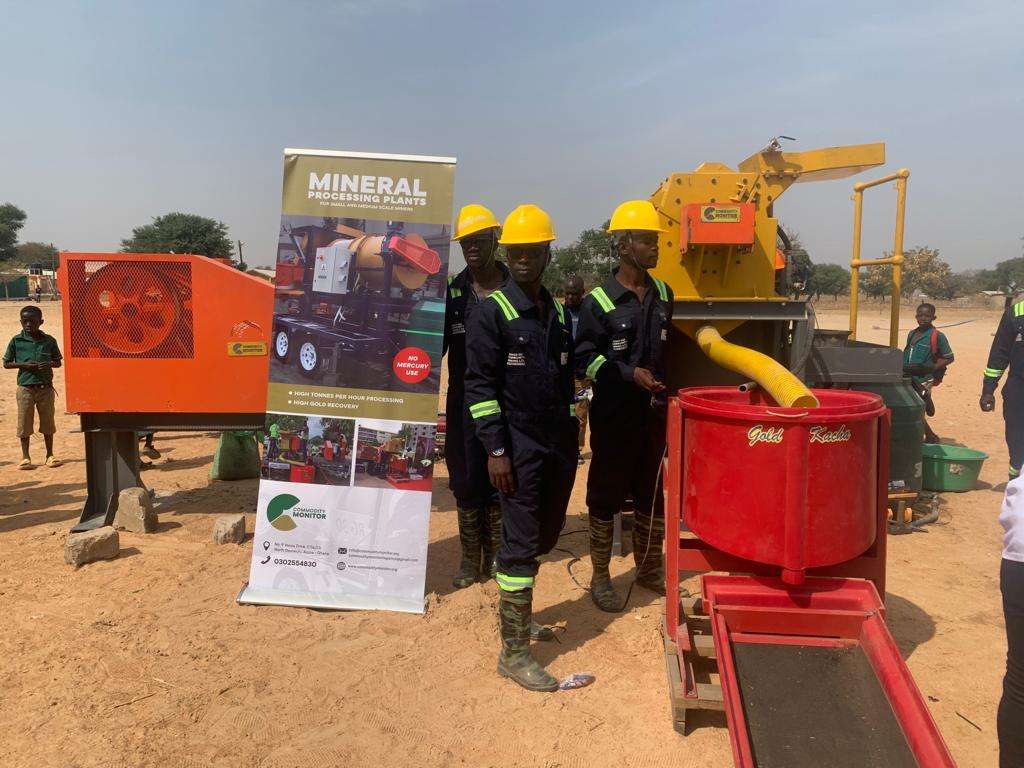
The Chamber of Mines president highlighted the industry’s longstanding efforts to support community development through structured funding mechanisms.
Citing the example of Gold Fields, he pointed to a model where contributions such as “US$1 per ounce of gold mined plus 1.5% of pre-tax profits” are channeled directly into host communities.
These funds are managed through consultative committees composed of local stakeholders who collectively decide how resources should be invested in areas such as education, healthcare, and infrastructure.
“We believe in sustainable development beyond mining.
“That’s why we emphasize enterprise development and livelihood programs that outlast the mine’s existence.”
Michael Edem Akafia, President of the Ghana Chamber of Mines
This approach, he explained, ensures that mining delivers shared value by leaving behind tangible benefits for communities even after mines close.

Mr. Akafia again called for closer alignment between government policy and industry efforts to embed mining into Ghana’s broader industrialisation agenda.
He argued that a stronger partnership would ensure that mining revenues are not only stabilising the economy but also driving structural transformation through value addition, local beneficiation, and infrastructure growth.
“Ultimately, the sector must be both visible and transformative.
“Mining should not just be about extracting resources but about building industries, creating jobs, and leaving lasting impact.”
Michael Edem Akafia, President of the Ghana Chamber of Mines
The call reflects a growing consensus that Ghana’s mining sector, while vital to foreign exchange earnings, needs to evolve into a more diversified and sustainable pillar of development.
With global demand for critical minerals rising, stakeholders believe Ghana has a narrow but crucial window to position itself as a leader in value-added mineral exports.
READ ALSO: Ghana Set to Smash All 2025 Economic Targets – IC Research Hails Strong H1 Performance