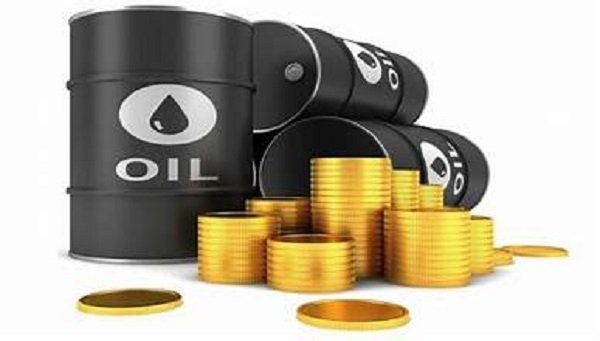
The outlook for Ghana’s oil and gas sector in 2025 has been far from encouraging, and the implications for the government’s flagship Big Push Agenda are becoming increasingly evident.
With petroleum receipts falling short of expectations, questions are being raised about how the administration will sustain its ambitious infrastructure drive.
Of the GH¢13.8 billion earmarked for Big Push investments this year, the government projected GH¢8.9 billion to come from oil revenue. However, developments in the sector so far suggest that the foundation of this financing plan is faltering.
Data analyst Alfred Appiah, who has been following the sector’s performance closely, painted a sobering picture. He explained that production levels have dropped significantly compared to last year.
“Ghana’s oil production is down to just over 101,000 barrels a day so far up to June, compared to 137,000 barrels per day in the same period last year,” he said. The drop, he noted, signals both operational challenges and a decline in output from Ghana’s major oil fields.
This decline in production has been compounded by a steep fall in exports. Between January and August, oil exports were down by 34 percent compared to the same period in 2024.
The combination of reduced output and lower export volumes has already placed government revenue under strain, with petroleum receipts failing to meet targets.
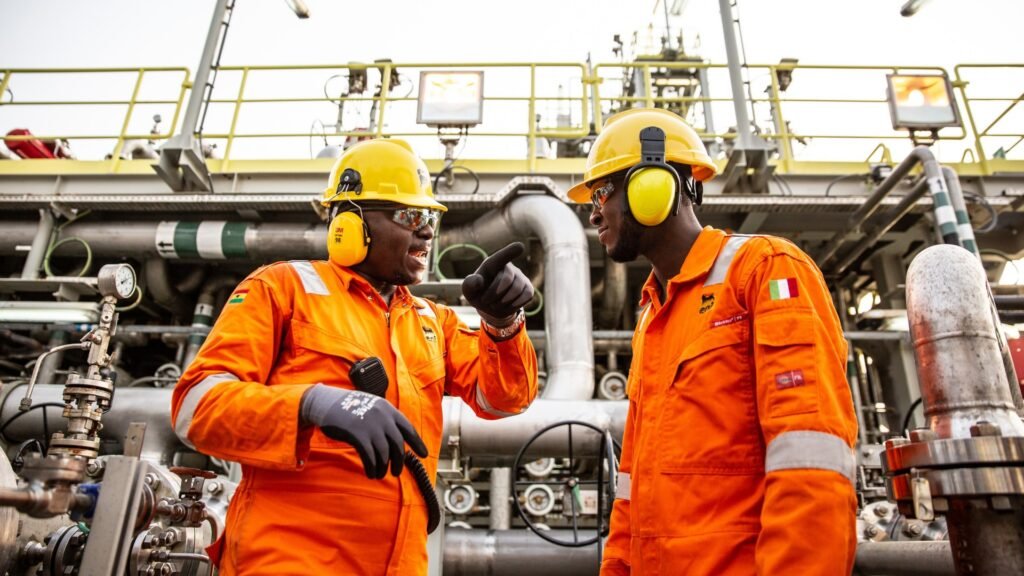
Falling International Oil Prices
Another major challenge has come from international oil prices. For the 2025 budget, government based its revenue projections on a benchmark price of $75 per barrel.
Yet, for the past five months, crude oil has been trading below $70 per barrel. This consistent underperformance, Alfred Appiah noted, has eroded the fiscal space available to the government.
Even in cases where export receipts have been recorded, the strengthening of the cedi against major trading currencies has further reduced the local currency value of earnings.
Alfred Appiah explained that while the appreciation of the cedi brings some economic relief, such as helping with inflation and external debt servicing, it creates difficulties in domestic budgeting.
“The strong performance of the cedi means oil revenue when converted to cedis would decline relative to projections,” he observed. The cumulative effect of these setbacks has been significant. By the end of June, government revenue from oil was GH¢2.7 billion below target.
According to Alfred Appiah, all the critical factors—production volumes, international prices, and exchange rate dynamics—are currently trending in the “wrong” direction for petroleum receipts, leaving a gaping hole in the fiscal plan for the Big Push.

The Big Push Agenda was designed to accelerate Ghana’s infrastructure development through strategic investment in transport, energy, housing, and industrial facilities. With oil revenue falling short, the program risks either being delayed or scaled back unless alternative funding sources are identified.
High Gld Prices
However, according to Alfred Appiah, there is some relief in sight from mineral royalties, with gold prices at historic highs this year, royalties from the mining sector are expected to provide a boost to state coffers.
Yet, even here, Alfred Appiah noted that there are challenges, as the appreciation of the cedi has already reduced the value of customs revenues, narrowing the overall fiscal space available to the government.
The result is that any gains from gold royalties may end up being partially offset by declines in other revenue streams. For analysts, the situation underscores the risks of relying heavily on volatile commodity revenues to fund long-term development initiatives.
Petroleum receipts, in particular, remain vulnerable to international price swings, production fluctuations, and currency dynamics that are often beyond the control of domestic policymakers.
Looking ahead, attention is shifting to how Finance Minister Dr. Cassiel Ato Forson will address the shortfall in the upcoming 2026 budget.

“With the historical gold price levels, there would be an increase in royalties. But with a drop in revenue from customs on the back of the cedi appreciation, there would likely be some reallocation of resources. We’ll wait to see how Uncle Ato puts it all together in the 2026 budget.”
Alfred Appiah
The coming months will therefore be critical for the government. If oil prices remain subdued and production continues to lag, the fiscal gap could widen further, forcing difficult decisions on expenditure priorities.
For now, the underwhelming performance of the oil and gas sector has highlighted once again the urgent need for Ghana to broaden its revenue base and reduce dependence on commodities whose earnings are unpredictable.
READ ALSO: Mauritius Prime Minister Sacks Central Bank Governor Over Power Struggle