Nuclear Power Ghana (NPG), the state-backed agency driving the establishment of the country’s first nuclear power plant, has firmly dismissed floating nuclear power plant (FNPP) technology as an unsuitable option for Ghana’s energy future.
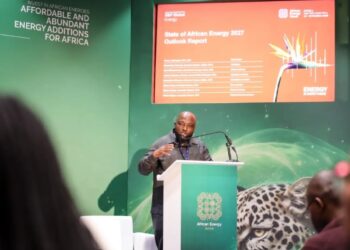
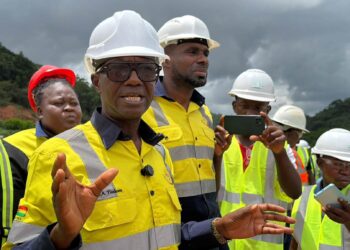
Dr. Stephen Yamoah, Executive Director of NPG, speaking on the sidelines of recent stakeholder engagements, cautioned against what he described as a push by interest groups to promote floating nuclear reactors as a viable solution for Ghana.
Dr. Yamoah stated emphatically, “Ghana without a nuclear power plant is far better off than Ghana with a floating reactor.”
He explained that while FNPPs have been presented in some quarters as innovative and cost-saving, their relevance and practicality for Ghana’s context are deeply questionable.
According to Dr. Yamoah, proposals advocating for floating nuclear power reactors are more about “finding a market for selling power” than about meeting Ghana’s long-term developmental and industrial needs.
Dr. Yamoah said, “This whole proposal isn’t a real project. It’s about finding a market for selling power,” stressing that the agenda behind FNPPs is largely commercial rather than developmental.
He emphasized that the NPG will not endorse such a technology, insisting that the risks, costs, and uncertainties associated with floating nuclear plants far outweigh their potential benefits.
Instead, the agency is fully committed to pursuing a land-based nuclear power program tailored to Ghana’s strategic energy and industrial ambitions.
Nuclear Energy as a Long-Term Strategy
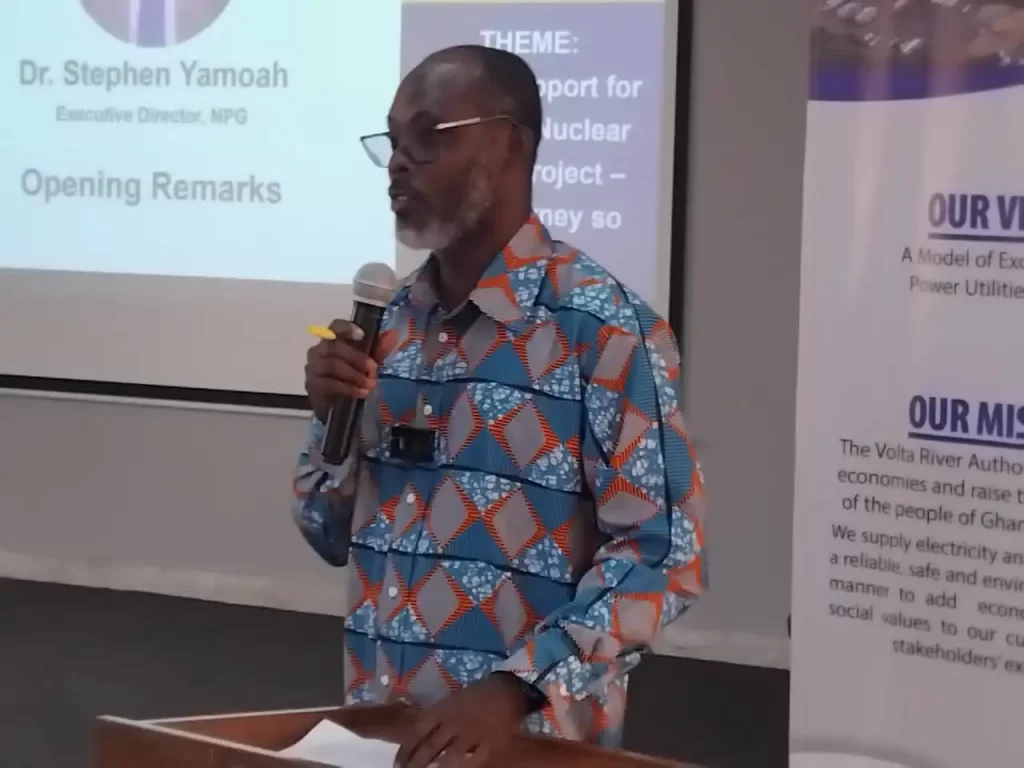
Dr. Yamoah also used the opportunity to clarify misconceptions about nuclear power in Ghana.
He underscored that nuclear energy is not intended to serve as a short-term remedy to the country’s electricity supply challenges, but rather as a long-term anchor for industrial and economic growth.
“No country uses nuclear energy to solve immediate power shortages.
“The role of nuclear energy should be as a foundation that goes beyond electricity. It should act as a catalyst to fuel industry, grow the economy, and add value to Ghana’s raw materials.”
Dr. Stephen Yamoah, Executive Director of NPG
By situating nuclear energy within a broader economic transformation agenda, Dr. Yamoah made clear that Ghana’s nuclear journey is designed to create lasting value.
He said the vision is not only to generate electricity but to use nuclear technology as a driver of innovation, industrialization, and energy security.
Floating nuclear power plants, mounted on barges or vessels and deployed offshore, have been touted by some as a flexible alternative to traditional land-based facilities. However, Dr. Yamoah argued that such technology is unsuitable for Ghana’s needs.
He said, “Floating nuclear reactors are not a practical solution for the country,” He added that the operational, environmental, and regulatory complexities of such plants introduce far greater risks than benefits, particularly in regions without the specialized infrastructure and oversight systems required.
While countries such as Russia and China have experimented with floating nuclear power, critics say the model is largely untested and carries significant geopolitical and safety risks.
Dr. Yamoah’s rejection of FNPPs positions Ghana’s nuclear strategy within a more stable, conventional, and globally recognized framework.
Building Ghana’s First Nuclear Plant

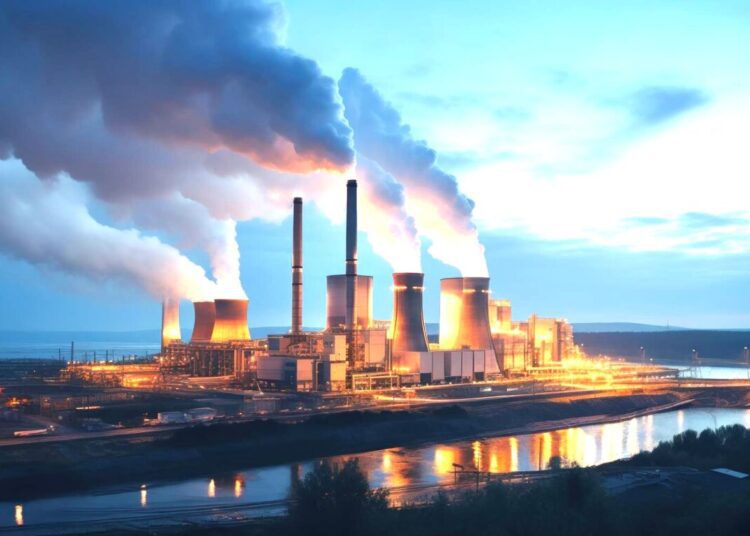
The government of Ghana has identified nuclear energy as a key component of its long-term energy mix, with the aim of diversifying generation sources, ensuring supply reliability, and reducing carbon emissions.
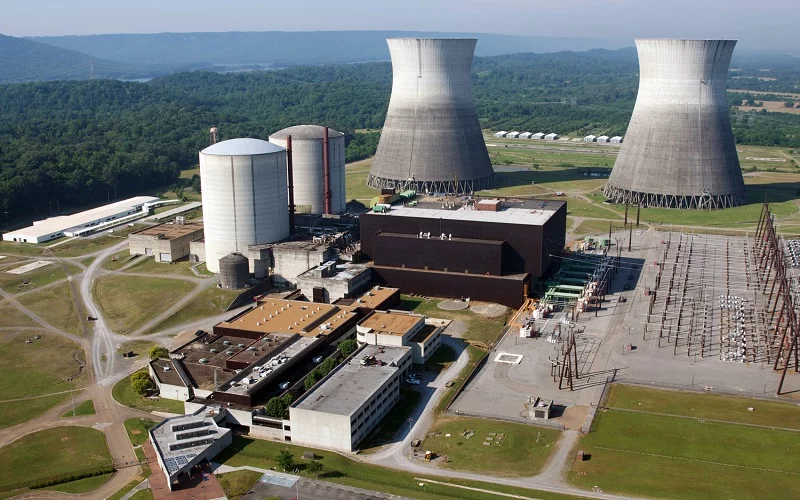
Nuclear Power Ghana has been tasked with driving the development of the country’s first nuclear power plant, with multiple sites under consideration for construction.
The project is being developed in partnership with international nuclear agencies, technical advisors, and financial institutions.
Once completed, the nuclear facility is expected to play a central role in supporting Ghana’s industrialization agenda, boosting energy security, and contributing to climate resilience.
Dr. Yamoah reiterated that NPG’s approach is anchored on Ghana’s national interest rather than short-term solutions or external pressure.
“Our approach is focused on what’s best for the country.
“We need to be cautious because the nuclear agenda is bigger than just power generation.”
Dr. Stephen Yamoah, Executive Director of NPG
The Executive Director concluded by urging patience and perspective from the public, policymakers, and stakeholders. He stressed that while the nuclear program is a historic step for Ghana, it must be pursued with caution, discipline, and a long-term vision.
For now, Ghana’s nuclear program will stay the course on developing land-based nuclear power, with floating reactors firmly off the table.
The NPG’s stance reflects both a rejection of speculative projects and a strong affirmation of the country’s deliberate, future-focused energy strategy.
READ ALSO: Market Cheers as Ghana’s Treasury Auction Breaks Four-Week Drought with 15.8% Oversubscription