The Deputy Minister for Energy and Green Transition, Hon. Richard Gyan-Mensah, has emphasized that the successful implementation of the Cylinder Recirculation Model (CRM) in Ghana’s Liquefied Petroleum Gas (LPG) sector is a collective effort that requires the active participation of all stakeholders, including consumers, marketers, and the broader petroleum downstream industry.
The deputy minister’s admonishment followed the ministry through its agency, National Petroleum Authority’s (NPA) initiative to rollout the Cylinder Recirculation Model (CRM) program aimed at providing affordable but clean energy.
“The journey towards a sustainable and better tomorrow cannot be championed by government alone. It is a collective effort that requires the active participation of every citizen.”
Hon. Richard Gyan-Mensah
NPA’S Cylinder Recirculation Model
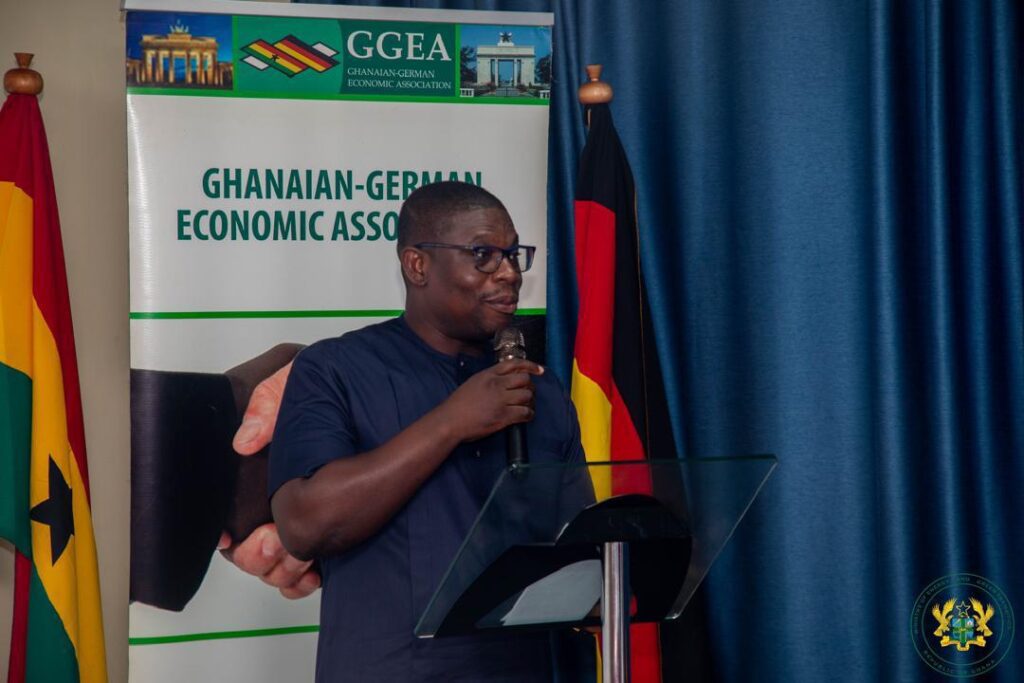
According to the Deputy Minister, the Cylinder Recirculation Model (CRM) is crucial for several reasons. It ensures that cylinders are filled in a controlled environment, reducing the risk of accidents and guaranteeing that only the highest safety standards are met.
Moreover, the decentralized approach of the CRM ensures that even remote areas can benefit from the safe and efficient distribution of LPG.
The Deputy Minister further highlighted the benefits of the CRM, stating that the use of cylinder exchange points, which are cheaper to construct, means that filled cylinders will be more readily available to consumers in their communities, thereby improving access.
The Ministry of Energy and Green Transition has taken a keen interest in the transformation of the Ghana Cylinder Manufacturing Company (GCMC) to reposition it as a leading player in the production and supply of quality LPG goods.
An investment plan has been developed to revitalize the GCMC’s operations, making it a prominent supplier of LPG cylinders for the Ghanaian market.
Collective Responsibility and Transparency

To drive this collaborative approach, the Deputy Minister urged the participants to treat the Consumer Week 2025 celebration as a “catalyst for deeper responsibility, transparency, and renewed commitment to safeguarding lives and the environment.”
He emphasized the importance of continued conversations and knowledge-sharing within communities to encourage the shift towards clean energy solutions.
The Ministry of Energy and Green Transition is committed to promoting LPG and other clean energy sources as the preferred choice for every Ghanaian household.
In line with this commitment, the Ministry over the past months initiated several policies intended at achieving clean and affordable energy for all by moving from the usual fossil fuels to renewable energy sources. This transition is crucial for mitigating climate change, improving and public health in line with Sustainable Development Goal 7 (SDG7) which intended to achieve “affordable, reliable, sustainable and modern energy for all” by 2030.

This commitment is evident in the various initiatives and programs the ministry has implemented, including the formulation of the National Clean Energy, Clean Cooking Policy and the National LPG Promotion Programme.
The Cylinder Recirculation Model (CRM), coupled with the revitalization of the Ghana Cylinder Manufacturing Company (GCMC) and the ministry’s broader efforts, underscores the government’s holistic approach to ensuring the availability, safety, and accessibility of LPG across Ghana.
By fostering a collaborative environment and empowering citizens to be active participants, the Ministry of Energy and Green Transition is paving the way for a sustainable and better energy future for all Ghanaians.
READ ALSO : Helicopter Crash Triggered by Sudden Loss of Altitude and Downdraft – Investigation Report