The Petroleum Hub Development Corporation (PHDC) of Ghana has issued a rallying call for a bold and forward-looking economic partnership between the country and its diaspora community.
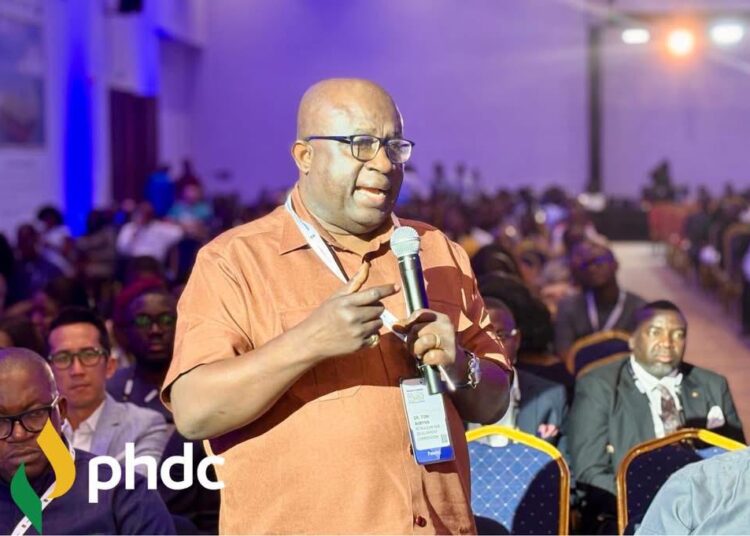
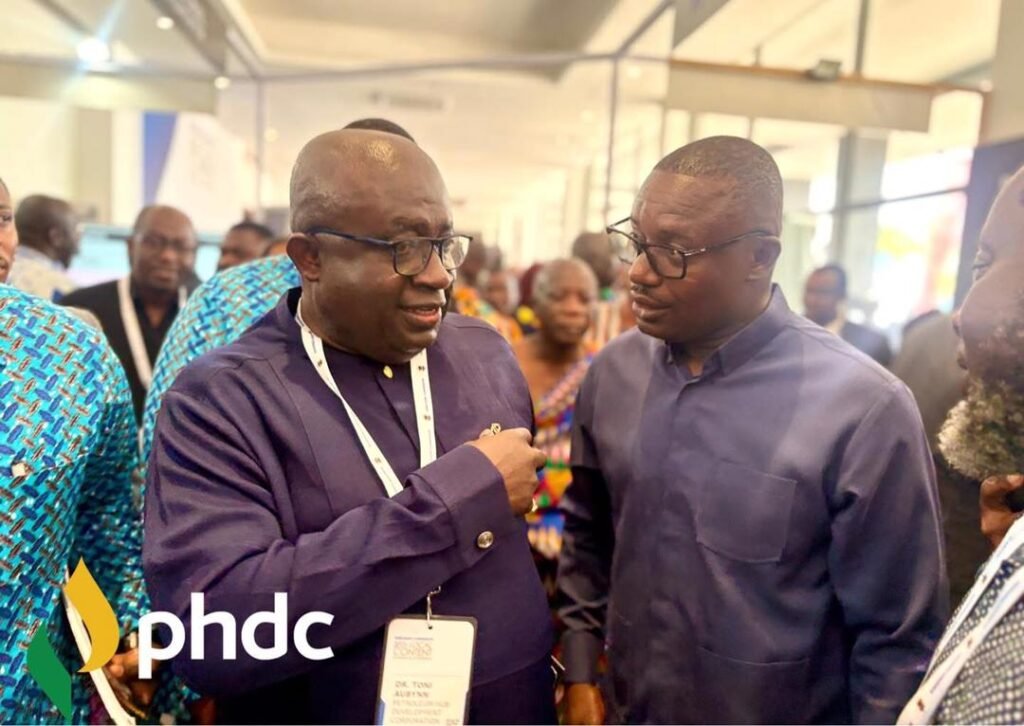
The message, delivered by Chief Executive Officer of the Corporation, Dr. Tony Aubynn, at the Diaspora Reset Engagement Conference (DREC 2025) in Birmingham, United Kingdom, underscores the crucial role that the diaspora can play in shaping Ghana’s energy and industrial future.
Addressing a diverse audience of investors, policymakers, and professionals, Dr. Aubynn emphasized that the time has come for a “new generation of economic alliances” between Ghana and its diaspora.
“The Petroleum Hub is a game-changing national asset, and we need our diaspora as co-investors, innovators, and partners in expanding Ghana’s energy economy.”
Dr. Tony Aubynn, PHDC CEO
Ghana’s Energy Transformation
The Petroleum Hub Development Corporation (PHDC) was established under the Petroleum Hub Development Corporation Act, 2020 (Act 1053) to spearhead the development of a world-class petroleum and petrochemical hub in Ghana.
This strategic initiative aims to position the country as a leading energy hub in Africa and the global petroleum industry at large, enhancing regional energy security and economic integration.
PHDC’s vision is to promote innovation, research, and strategic infrastructure development to meet Africa’s growing demand for petroleum products and services.
By creating an integrated petroleum value chain, the Corporation seeks to unlock economic opportunities, foster industrial growth, and create sustainable employment for Ghanaians and citizens across the continent.
The Petroleum Hub Project, estimated at a staggering $60 billion which is set to be situated in Jomoro, Western Region is envisioned as the panacea to the country’s petroleum dream as disclosed by the Chief Executive Officer.
According to him, this comprehensive development will include three refineries with a total capacity of 900,000 barrels per stream day (BPSD), five petrochemical plants with a minimum capacity of 90,000 BPSD, and a storage capacity of 10 million cubic meters, as well as at least two jetties to support import and export activities.
The project when actualized, will position Ghana as a leading petroleum and petrochemical hub in Africa, enhancing regional energy security and economic integration.
Ghana’s Energy and Industrial Potential

Dr. Aubynn’s call for economic partnership with the diaspora community underscores the crucial role that Ghanaians abroad can play in realizing the full potential of the Petroleum Hub project. He outlined several high-impact avenues through which the diaspora can engage in Ghana’s development while securing long-term returns.
One of such avenues included the introduction of dedicated diaspora bonds to mobilize capital for refinery development, petrochemical facilities, logistics infrastructure, and energy transition projects.
This innovative financing mechanism would offer competitive returns backed by transparent and robust governance structures, providing diasporans with a secure and impactful investment opportunity.
The bonds could be structured to align with the diaspora’s investment preferences, ensuring that their capital is channeled towards projects that resonate with their values and priorities.

Additionally, the CEO encouraged members of the diaspora to participate in structured co-investment frameworks, enabling them to partner with institutional investors, private equity funds, and state-backed entities to finance the Petroleum Hub’s multi-billion-dollar infrastructure network.
This collaborative approach would leverage the expertise, networks, and resources of the diaspora community to drive the project’s success, while also offering attractive risk-adjusted returns.
Beyond large-scale investments, the PHDC CEO further stressed the importance of building a strong local ecosystem to support the hub.
He urged diaspora investors to channel their resources into financing local startups, small and medium enterprises (SMEs), and service companies operating in logistics, maintenance, fabrication, technology solutions, and energy services.
This focus on nurturing the local supply chain would create a multiplier effect, empowering Ghanaian entrepreneurs and innovators to thrive within the Petroleum Hub ecosystem.
Governance and Transparency

To further assure the diaspora community, Dr. Aubynn highlighted that the PHDC has significantly strengthened its investment frameworks, transparency mechanisms, and governance structures.
This commitment to robust governance and accountability is critical in building trust and confidence among diaspora investors, who often seek secure and well-regulated investment opportunities.
By demonstrating its dedication to transparent and responsible practices, the PHDC aims to create an environment that not only attracts diaspora capital but also fosters long-term, mutually beneficial partnerships.
This focus on good governance aligns with the diaspora community’s desire to contribute to Ghana’s development in a way that ensures the efficient and ethical use of their resources.
While Ghana embarks on this transformative journey, the PHDC’s call for a strategic economic partnership with the diaspora community underscores the critical importance of harnessing global talent and resources to drive local transformation.
By aligning the aspirations of the state, private sector, and diaspora, Ghana can unlock the full potential of its energy and industrial sectors, paving the way for a future of sustainable prosperity and regional leadership.
READ ALSO : Domestic Production Drove Economic Growth in 2025H1 to 6.3% – Ato Forson