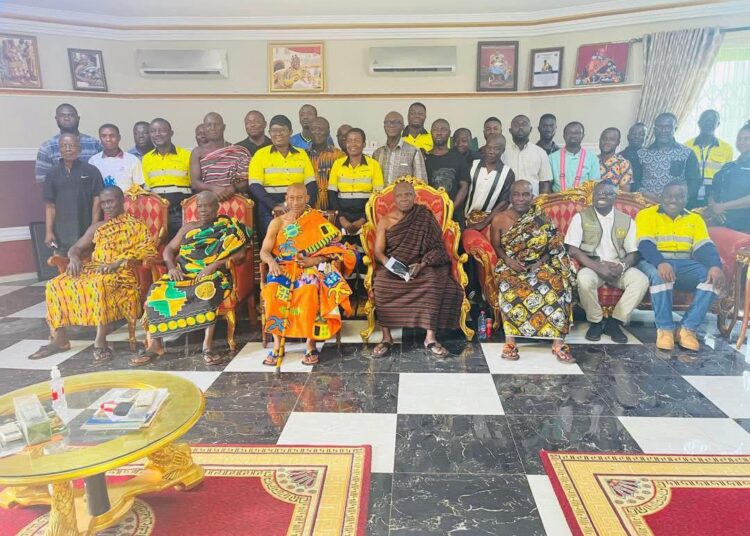
The traditional leaders of Ewoyaa particularly, Krampakrom has categorically rejected the proposed 5% royalties of the Atlantic lithium Agreement deal, cites long-staggering neglect in the consultation process.
The decision by the government to reduce the royalty rate for the Ewoyaa lithium project from 10% to 5% has sparked outrage among the traditional leaders of the affected communities such as Krampakrom.
The chiefs of Krampakrom, and neighboring areas in the Central Region rejected the move, describing it as a blatant “shortchange” to their communities as poignantly described by Mr. Charles Paa Grant, the secretary to the chief of Krampakrom.
“To cut to the chase, I think we should stick to the 10% because they haven’t specified whether it will be by next year or within a few years. If prices increase, they may reverse it or raise it to any amount. But they are insisting on 5%, which is short-changing.”
Mr. Charles Paa Grant
The reduction in the royalty rate was made in response to a request from the mining firm, Barari Ghana Limited, which cited a sharp decline in global lithium prices as the reason for the review of the lease terms.
However, the traditional leaders argued that they were not adequately consulted in the decision-making process, and they are now demanding that the government halt the implementation of the 5% rate and engage stakeholders thoroughly.
Paa Grant’s sentiments underscore the deep-seated concerns of the traditional leaders, who fear that the reduced royalty rate could undermine the much-needed development projects and social infrastructure in their communities. The residents have also voiced their apprehensions about the potential impact on their livelihoods, even before the full-scale mining operations commence.
Meaningful Consultation
The traditional leaders’ rejection of the 5% royalty rate is further compounded by their assertion that the government failed to engage them in the consultation process.
Paa Grant expressed his dismay, stating, “We should have been informed beforehand so that at least we can have some jojo about it within even our communities. But all of a sudden you are called you are told this is what is going to happen so bring out your suggestion. How do we give our suggestion to what we have not been given information about before?”
This perceived lack of meaningful consultation has left the traditional leaders feeling blindsided and undermined in the decision-making process.
They argued that the government’s approach, which they describe as “getting us on our wrong foot,” does not align with the principles of transparency and community engagement that should underpin the development of the lithium project.
Controversies and Implications
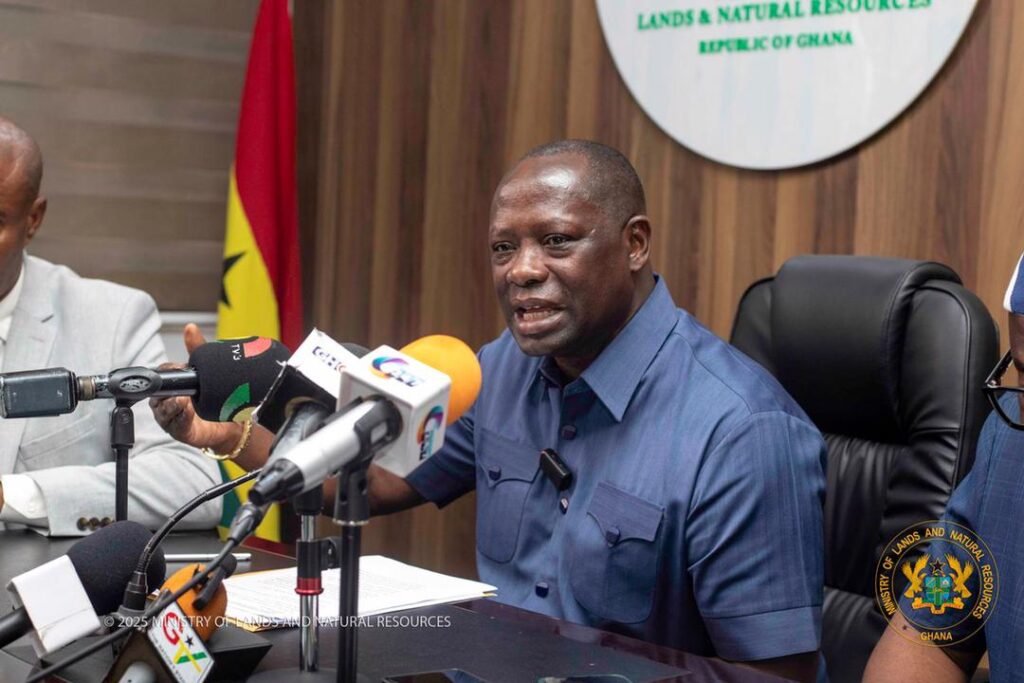
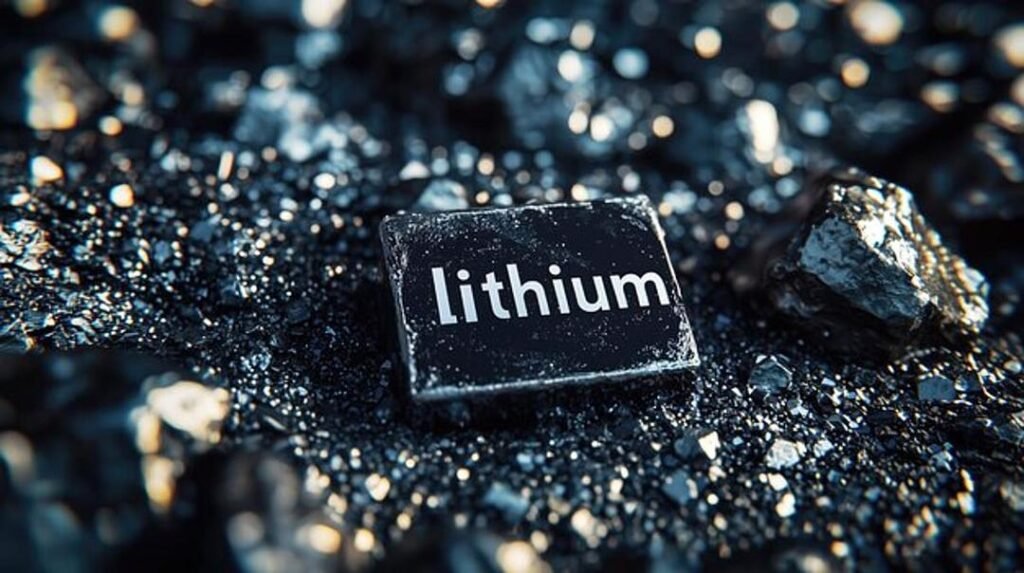
The Ewoyaa lithium project has been a subject of intense scrutiny and controversy since its inception.
The initial 10% royalty rate was a point of contention, with the then opposition, the National Democratic Congress (NDC), criticizing it as undervaluing the strategic green mineral. The NDC had previously had insisted on stronger value-addition and firmer national control of the value chain.
Having won power, the NDC’s administration now opted for a 5% royalty rate, a decision that has drawn the ire of various stakeholders, including activists and mining experts.
The traditional leaders’ rejection of this move reflects a broader concern over the politicization of mineral exploitation agreements and the potential erosion of the long-term benefits for local communities.
While the dust settles on the Ewoyaa lithium deal, it will serve not only the government but the entire country if the political leaders could return to the drawing table and get this right by incorporating the views of various stakeholders including these traditional leaders.
This will also assist government to navigate the complex web of political, economic, and environmental considerations.
READ ALSIO: Mathew Nyindam Remains Kpandai MP Until December 1 – Speaker Bagbin