• About
  • Advertise
  • Privacy Policy
  • Contact
Tuesday, July 14, 2026
  • Login
The Vaultz News
  • Top Stories
  • News
    • General News
    • Education
    • Health
    • Opinions
  • Economics
    • Economy
    • Finance
      • Banking
      • Insurance
      • Pension
    • Securities/Markets
  • Business
    • Agribusiness
    • Vaultz Business
    • Extractives/Energy
    • Real Estate
  • World
    • Africa
    • America
    • Europe
    • UK
    • USA
    • Asia
    • Around the Globe
  • Innovation
    • Technology
    • Wheels
  • Entertainment
  • 20MOBPL2DNew
  • Jobs & Scholarships
    • Job Vacancies
    • Scholarships
No Result
View All Result
The Vaultz News
  • Top Stories
  • News
    • General News
    • Education
    • Health
    • Opinions
  • Economics
    • Economy
    • Finance
      • Banking
      • Insurance
      • Pension
    • Securities/Markets
  • Business
    • Agribusiness
    • Vaultz Business
    • Extractives/Energy
    • Real Estate
  • World
    • Africa
    • America
    • Europe
    • UK
    • USA
    • Asia
    • Around the Globe
  • Innovation
    • Technology
    • Wheels
  • Entertainment
  • 20MOBPL2DNew
  • Jobs & Scholarships
    • Job Vacancies
    • Scholarships
No Result
View All Result
The Vaultz News
No Result
View All Result
in General News

Ghana Witnessing Legal Correction, Institutional Setback in Corruption Fight – Osae-Kwapong

Evans Junior Owuby Evans Junior Owu
April 30, 2026
Reading Time: 5 mins read
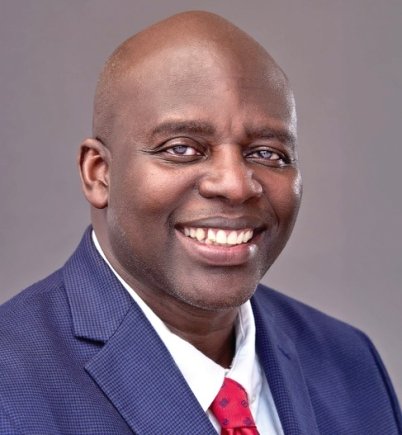
Dr. John Osae-Kwapong, Democracy and Development Fellow, CDD-Ghana, and Project Director, the Democracy Project

Dr. John Osae-Kwapong, Democracy and Development Fellow, CDD-Ghana, and Project Director, the Democracy Project

Ghana’s anti-corruption efforts are entering a period of uncertainty as recent court rulings spark what Dr John Osae Kwapong, Democracy and Development Fellow at the Ghana Center for Democratic Development, described as legal correction and operational disruption.

In an exclusive interview with The Vaultz News, Dr Osae Kwapong described the situation as a “both and” reality, explaining that the country is simultaneously experiencing a legal correction and an institutional setback.

His remarks follow a series of High Court decisions, including a recent ruling requiring an Economic and Organised Crime Office prosecutor to demonstrate authorization before proceeding with a case involving the Buffer Stock Company.

Legal Questions Finally Surface

Dr Osae Kwapong noted that for several years after the Office of the Special Prosecutor became operational, public attention focused largely on its performance and outcomes rather than its legal foundation.

ADVERTISEMENT

“All conversations we have had about the OSP have essentially been about how you strengthen the office,” he said, adding that earlier debates centered on whether the institution was delivering value and producing results.

Dr. John Osae-Kwapong, Democracy and Development Fellow, CDD-Ghana, and Project Director, the Democracy Project

However, he explained that recent developments have shifted attention to the legal basis of the office, particularly its prosecutorial authority and whether that authority aligns with the Constitution.

According to him, the emergence of these questions, though delayed, is not unusual. He pointed out that constitutional issues do not always arise immediately, noting that “that is the nature of constitutional questions.”

Debate Over Prosecutorial Powers

At the heart of the controversy is whether the Office of the Special Prosecutor can independently prosecute cases or must rely on the authority of the Attorney General.

Dr Osae Kwapong framed this as a broader constitutional issue, questioning whether Parliament can lawfully grant prosecutorial powers to institutions outside the Attorney General’s office.

ADVERTISEMENT

He suggested that the current legal challenges reflect an attempt to address unresolved questions about how prosecutorial authority is structured within Ghana’s legal system.

While he acknowledged the importance of resolving these issues, he also stressed that the process has significant implications for the functioning of anti corruption institutions.

Institutional Setback Becomes Evident

Despite recognising the value of legal clarification, Dr Osae Kwapong expressed concern about the immediate consequences of the rulings. “I also believe that we are seeing an institutional setback for the OSP,” he said, pointing to the disruption of the office’s operations.

ADVERTISEMENT

He explained that the institution is now in a state of uncertainty, trying to determine whether to continue its work, seek authorization from the Attorney General, or pause its activities until the courts provide a definitive ruling.

According to him, this uncertainty is particularly troubling given the role of the Office of the Special Prosecutor as a key instrument in Ghana’s anti-corruption framework.

Kissi Agyebeng, Special Prosecutor, Ghana

The impact of the rulings is already being felt across multiple cases, with adjournments becoming more frequent as courts demand proof of authorization from prosecutors.

Dr Osae Kwapong observed that the situation is likely to escalate, noting that “I can see a series of cases coming up where this is going.” He explained that the requirement for authorization could affect not only the Office of the Special Prosecutor but also other agencies such as the Economic and Organised Crime Office.

This, he warned, could slow down the pace of prosecutions and create additional challenges for institutions tasked with enforcing accountability.

A Difficult Period for Anti Corruption Agencies

Describing the current situation as a challenging phase, Dr Osae Kwapong said it represents “the difficult days” not just for the Special Prosecutor Kissi Agyebeng but the institution as a whole.

He noted that the office is operating in a “state of limbo“, unsure of how to proceed amid ongoing legal disputes. The disruption, he added, could undermine public confidence, particularly if high-profile cases are delayed or stalled.

For an institution that has been widely regarded as a critical tool in fighting corruption, the current uncertainty raises concerns about its effectiveness.

A key issue, according to Dr Osae Kwapong, is the absence of a clear timeline for resolving the legal questions. He indicated that a final decision will likely come from the highest court, but it remains uncertain when that will happen.

“And who knows when the court would give us that final answer,” he remarked, highlighting the uncertainty surrounding the process. Until such clarity is achieved, he warned that the disruption to anti-corruption efforts is likely to continue.

Balancing Legal Clarity and Institutional Stability

Dr Osae Kwapong emphasised the need to strike a balance between ensuring legal correctness and maintaining institutional functionality. While the legal questions must be addressed, he argued that the process should not paralyse the operations of key institutions.
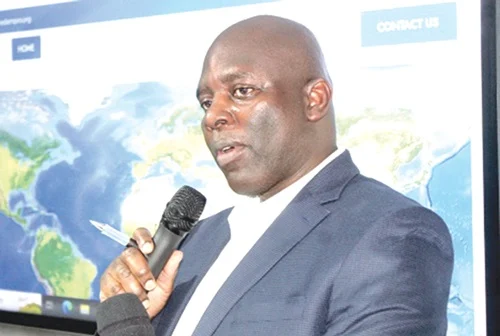
Osae Kwapong 1
Dr. John Osae-Kwapong, Democracy and Development Fellow, CDD-Ghana, and Project Director, the Democracy Project

He suggested that a swift resolution would be critical to restoring stability and allowing anti corruption agencies to resume their work effectively. The ongoing authorization controversy underscores broader challenges within Ghana’s governance framework.

Dr Osae Kwapong’s analysis suggests that while the current developments may ultimately strengthen the legal foundation of anti corruption institutions, the short term impact poses risks to their effectiveness.

As Ghana awaits judicial clarity, the outcome of these legal battles will play a decisive role in shaping the future of accountability and the fight against corruption.

READ ALSO: E&P Sells Off 100% Proceed from Damang Gold Mine to GoldBod

ADVERTISEMENT

Sign Up to Our Newsletter

Fresh updates, Straight to your inbox

Tags: accountability Ghanaanti corruption GhanaAttorney General authorizationconstitutional debate GhanaEOCO GhanaGhana corruption fightHigh Court ruling Ghanainstitutional setback GhanaJohn Osae Kwapongjudicial delays Ghanalegal correction GhanaOSP Ghanaprosecutorial powers GhanaThe Vaultz News interview
ShareTweetShareSendSend
Please login to join discussion
Previous Post

First National Bank Introduces Bespoke Luxury Banking Services

Next Post

Blue Ventures Partnership Overhauls Failed Fisheries Governance Models

Related Posts

Basic School Children   in Ghana receiving instructions from their teacher
General News

One in Three Districts in Ghana Faces Severe Teacher Shortages, Report

July 14, 2026
Foster Buabeng (CEO/Fund Administrator)
General News

Teachers’ Fund Directs Members to Verify Names Across Official Records

July 14, 2026
Honourable Nana Agyei Baffour Awuah
General News

Tribunal Bill Not Practicable, Expensive And Could Delay Hearings— Awuah

July 14, 2026
Deputy Director General of GES in charge of Management Services Professor Smile Gavua Dzisi
General News

GES Rollout Practical Entrepreneurship Programme for SHS Students

July 13, 2026
ADVERTISEMENT

Sign Up to Our Newsletter

Fresh updates, Straight to your inbox

ADVERTISEMENT

Recent News

Seal of United States Central Command.svg

US Strikes Iran Again Amid Hormuz Strait Standoff

July 14, 2026
Basic School Children   in Ghana receiving instructions from their teacher

One in Three Districts in Ghana Faces Severe Teacher Shortages, Report

July 14, 2026
CalBank Profit Soars 25% to GHS353.6 Million in Strong First Half Performance CalBank PLC has delivered an impressive financial performance for the first half of 2026, posting a remarkable 25 percent increase in Profit Before Tax (PBT) to GHS353.6 million. The outstanding results highlight the bank's successful strategic transformation and underline its growing strength as one of Ghana's leading financial institutions. The latest figures show that Profit Before Tax climbed from GHS283.2 million in the corresponding period of 2025 to GHS353.6 million, driven by robust growth across the bank's core business operations. The performance reflects improvements in lending, customer deposits, fee based services, trading income, and overall operational efficiency. Unlike previous periods where earnings were significantly supported by impairment recoveries, CalBank's latest results demonstrate that its profitability is now being powered largely by the strength of its underlying banking business. Core Banking Business Drives Exceptional Earnings One of the biggest highlights of the first half performance was the remarkable growth in net interest income, which surged by 83 percent to GHS347.5 million. The increase came despite a relatively lower interest rate environment. Interest income rose from GHS399 million to GHS451.5 million as the bank continued expanding its earning assets. At the same time, funding costs fell sharply, with interest expenses dropping from GHS209 million to GHS104 million. This significant reduction in funding costs improved the bank's profitability and demonstrated stronger balance sheet management. CalBank also recorded exceptional growth from non interest income sources as it continued diversifying its revenue streams. Net fees, commissions, and trading income almost doubled, rising by 99 percent to GHS323.3 million from GHS162.7 million during the same period last year. The strong performance reflects increased customer activity across the bank's retail, commercial, and corporate banking segments. The diversified earnings profile places CalBank in a stronger position to withstand changing market conditions while maintaining sustainable profitability. Stronger Earnings Quality Boosts Investor Confidence Perhaps the most significant aspect of CalBank's results is the improved quality of its earnings. During the first half of 2025, impairment recoveries contributed approximately GHS154 million to profits. However, in the latest reporting period, impairment gains accounted for only GHS7 million. This means the overwhelming majority of profits were generated through normal banking operations rather than one off recoveries. The shift highlights the success of management's transformation strategy and provides greater confidence that future earnings will remain sustainable. Industry analysts often view recurring operating income as a stronger indicator of long term financial health than exceptional gains. Assets and Deposits Record Strong Expansion CalBank also recorded significant growth in its balance sheet during the period. Total assets expanded by 30 percent to GHS13.9 billion from GHS10.7 billion recorded at the end of June 2025. Customer deposits increased by the same margin, rising to GHS10.9 billion. The growth in deposits reflects increasing customer confidence in the bank's brand, improved service delivery, and expanding retail and commercial banking operations. Higher deposits also provide the bank with a stable funding base to support future lending and business expansion. The figures reinforce CalBank's growing position within Ghana's competitive banking industry. Bad Loans Decline Dramatically One of the most remarkable achievements during the first half of the year was the dramatic improvement in asset quality. The bank's Non Performing Loan ratio dropped sharply to 10.10 percent from an exceptionally high 51.60 percent recorded at the end of June 2025. The improvement reflects the successful execution of CalBank's balance sheet remediation programme and disciplined credit risk management practices. A healthier loan portfolio reduces future credit losses while creating additional room for prudent loan growth. The significant decline in bad loans also strengthens investor confidence and enhances the bank's overall financial stability. Capital Position Strengthens After Recapitalisation Following its successful recapitalisation in 2025, CalBank has continued strengthening its financial foundation. Its Capital Adequacy Ratio improved dramatically to 18.17 percent from a negative 7.6 percent recorded a year earlier. The turnaround highlights the success of the bank's recapitalisation efforts and demonstrates its renewed financial resilience. Strong liquidity levels further position the bank to support customers, finance new business opportunities, and meet future regulatory requirements with confidence. The improved capital position also creates greater flexibility for expansion while protecting shareholders against unexpected financial shocks. Management Confident of Even Better Results Commenting on the results, Managing Director Carl Selasi Asem described the first half performance as clear evidence that CalBank's transformation strategy is producing sustainable financial outcomes. He said the bank had achieved strong growth across its core businesses while improving funding efficiency, strengthening profitability, enhancing asset quality, reinforcing its capital base, and expanding its balance sheet. Mr. Asem stressed that the latest earnings were driven by the strength of the bank's underlying operations rather than one time recoveries, reinforcing the quality and sustainability of the results. Looking ahead, he expressed confidence that the momentum built during the first half would enable CalBank to deliver an even stronger performance during the remainder of 2026. Management says the bank remains committed to disciplined execution of its strategic priorities, strengthening customer relationships, maintaining prudent risk management, and creating sustainable long term value for shareholders. CalBank's Transformation Continues to Deliver CalBank's latest financial performance paints the picture of a bank that has successfully rebuilt its foundations and is entering a new phase of sustainable growth. With rising profits, stronger capital, expanding customer deposits, healthier assets, and significantly lower bad loans, the bank appears well positioned to compete aggressively within Ghana's banking sector. As economic conditions continue to improve, CalBank's focus on operational excellence and disciplined execution could make 2026 one of the strongest years in the institution's recent history. READ ALSO: GSE Opens Week with Explosive Trading Activity CalBank Profit Soars 25% to GHS353.6 Million in Strong First Half Performance

CalBank Profit Soars 25% to GHS353.6 Million in Strong First Half Performance

July 14, 2026
Foster Buabeng (CEO/Fund Administrator)

Teachers’ Fund Directs Members to Verify Names Across Official Records

July 14, 2026
GSE Opens Week with Explosive Trading Activity

GSE Opens Week with Explosive Trading Activity

July 14, 2026
ADVERTISEMENT
Next Post
Hon. Emelia Arthur, Minister for Fisheries and Aquaculture Development

Blue Ventures Partnership Overhauls Failed Fisheries Governance Models

The Vaultz News

Copyright © 2025 The Vaultz News. All rights reserved.

Navigate Site

  • About
  • Advertise
  • Privacy Policy
  • Contact

Follow Us

Welcome Back!

Login to your account below

Forgotten Password?

Retrieve your password

Please enter your username or email address to reset your password.

Log In
No Result
View All Result
  • Top Stories
  • News
    • General News
    • Education
    • Health
    • Opinions
  • Economics
    • Economy
    • Finance
      • Banking
      • Insurance
      • Pension
    • Securities/Markets
  • Business
    • Agribusiness
    • Vaultz Business
    • Extractives/Energy
    • Real Estate
  • World
    • Africa
    • America
    • Europe
    • UK
    • USA
    • Asia
    • Around the Globe
  • Innovation
    • Technology
    • Wheels
  • Entertainment
  • 20MOBPL2D
  • Jobs & Scholarships
    • Job Vacancies
    • Scholarships

Copyright © 2025 The Vaultz News. All rights reserved.

This website uses cookies. By continuing to use this website you are giving consent to cookies being used. Visit our Privacy and Cookie Policy.