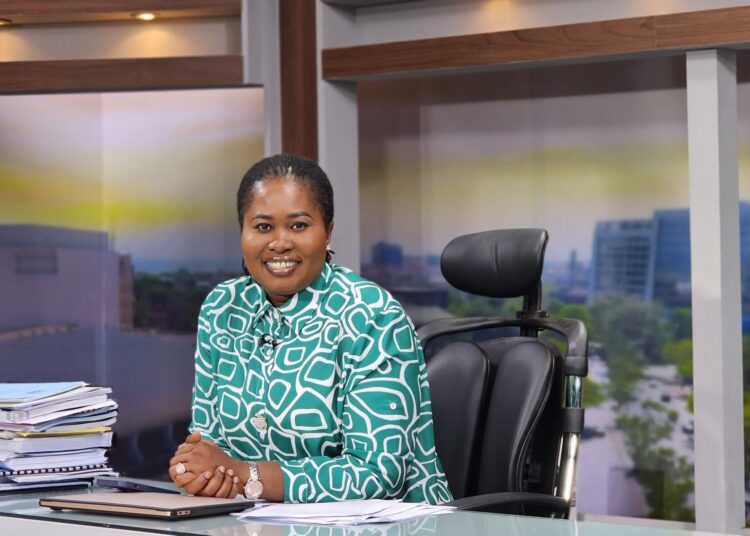
A senior presidential staffer, Lawyer Beatrice Annan, has urged Ghanaians to place confidence in the Mahama-led National Democratic Congress government, arguing that recent economic gains reflect deliberate policy choices rather than coincidence.
She cautioned the public against what she described as deliberate attempts to downplay progress made under difficult structural conditions inherited by the current administration.
According to her, Ghana entered 2025 burdened by deep economic weaknesses and a high level of import dependence, factors that traditionally exert pressure on the local currency.
Against that background, she said the relative stability of the cedi and its appreciation in December should be viewed as a significant achievement. She stressed that maintaining currency stability in such circumstances is neither automatic nor easy, adding that it requires discipline and coordinated policy action.
Lawyer Beatrice Anna rejected claims that the gains were cosmetic or driven by short term measures. She stated that the government was not organizing symbolic public relations events, but rather working through the Ministry of Finance and the Bank of Ghana to confront sustainability challenges.
In her words, anyone suggesting that such outcomes were simple to achieve was being misleading, noting that if it were easy, previous administrations would have accomplished the same results. She urged citizens to trust the NDC government and allow its policies time to mature.
Her comments come as President John Dramani Mahama approaches one year in office after being sworn in on January 7, 2025, for a second non consecutive term. His return to office was accompanied by the launch of a 120 Day Social Contract, a policy framework built around 26 measurable commitments intended to signal urgency and accountability in governance.
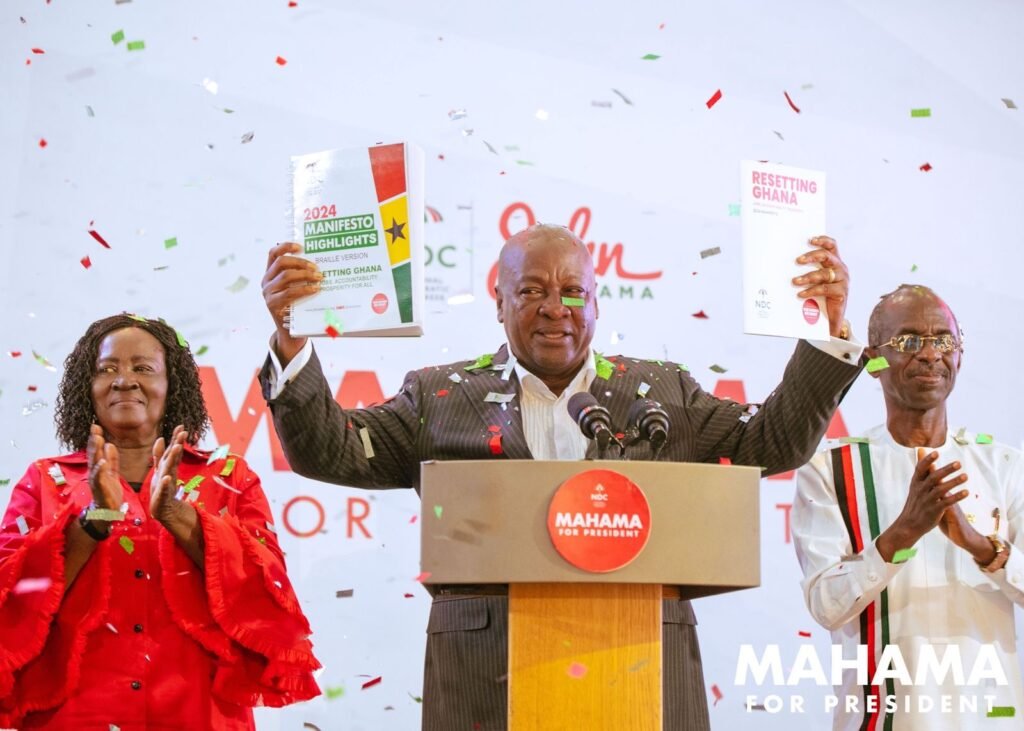
Historic Economic Rebound
Economically, the first year of the administration has been marked by notable shifts. The Ghanaian cedi has recorded a strong recovery, appreciating by about 27 percent over the past year to trade at roughly 10.65 to the United States dollar on the interbank market.
This represents a sharp turnaround from the end of 2024, when the currency was trading near 14.70 to the dollar amid persistent depreciation pressures. Inflation has also declined significantly, falling from about 23.7 percent at the beginning of 2025 to 6.3 percent by November, bringing it into single digit territory.
The government has also moved to fulfill several campaign promises related to taxation. Within the year, the administration abolished the Electronic Levy, the Betting Tax, the Covid 19 Levy and the Emissions Levy. Officials have said these measures were intended to ease the burden on households and businesses while stimulating economic activity.
Growth indicators have shown moderate improvement, with the economy recording a growth rate of 5.5 percent by the third quarter of 2025. At the same time, the administration has emphasized fiscal discipline as a core objective.
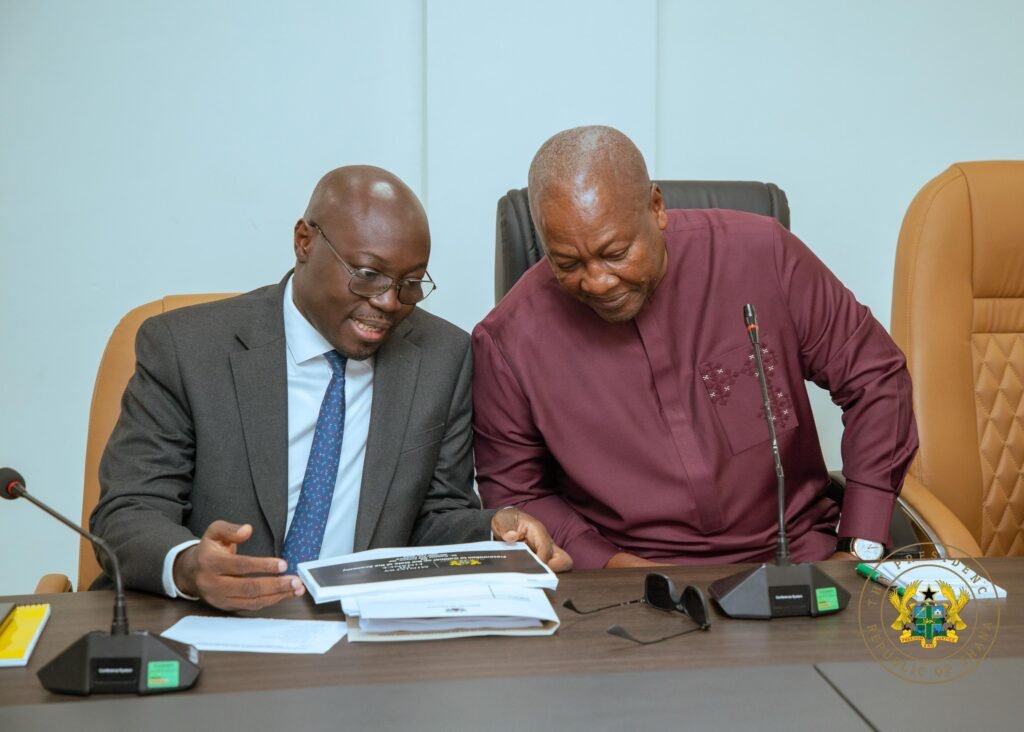
Reduction in the Size of Government
One of the most visible actions was the reduction in the size of government, cutting the number of ministers from over 120 to 60. The current number stands at 58 following the tragic deaths of two ministers in an August 6 helicopter crash. The move was aimed at reducing public expenditure and signaling restraint at the highest levels of government.
In the energy sector, the government has maintained stable power supply throughout the year despite earlier concerns about potential disruptions. Improved grid stability has been attributed to policy reforms, renegotiation of debts owed to independent power producers and stronger compliance with the Cash Waterfall Mechanism. These measures have helped avert widespread outages and restore some confidence in the sector.
Beyond the economy, the administration has placed emphasis on education and social protection. One of the flagship initiatives has been the introduction of a no fee stress policy in tertiary education.
Under this programme, academic fees were waived for more than 156,000 first year students in public tertiary institutions. In addition, the government introduced free tertiary education for persons with disabilities, expanding access for a group that has historically faced financial barriers.
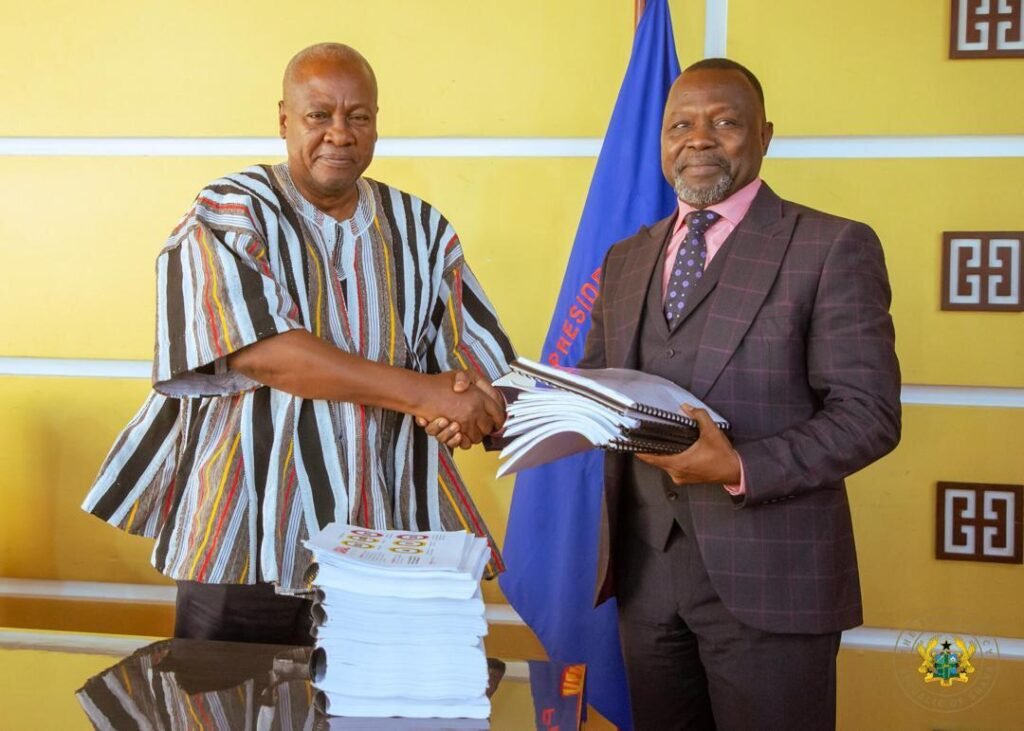
Governance and anti-corruption efforts have also featured prominently in the President’s first year. Mahama established the Operation Recover All Loot committee to investigate past scandals, including matters related to the National Signals Bureau and the Skytrain project.
Strict Asset Declaration
The administration has enforced stricter asset declaration rules for public appointees, directing those who defaulted to forfeit four months of their salaries to the Ghana Medical Trust Fund.
In the natural resources sector, the government banned illegal and new mining activities in forest reserves and abolished Legislative Instrument 2462, moves aimed at strengthening environmental protection and reforming mining governance.
Independent assessments have provided a mixed but generally positive picture. An audit by BudgIT Ghana scored the president at 72 percent on the 120 Day Social Contract, noting that 17 of the 26 promises had been fully delivered, while some structural economic reforms and customs related changes were still lagging.
Public sentiment has also shown improvement. By late December 2025, President Mahama’s approval rating stood at 67 percent, with 56 percent of respondents reporting an improvement in their standard of living, according to a survey conducted by Global InfoAnalytics.
For Lawyer Beatrice Annan, these indicators support her call for patience and trust. She maintained that while challenges remain, the direction of policy and early outcomes suggest a government focused on delivery rather than rhetoric.
READ ALSO: From 14.70 to 10.65: Ghanaian Cedi Records Stunning 27% Rally in One Year