
Ghana’s decision to pay US$1.47 billion in a single fiscal year to clear legacy energy sector debt represents one of the most consequential economic interventions in the country’s recent history, according to Mr. Joshua Batsa Narh, Executive Chairman of the Energy Chamber Ghana and Director at Wingfield Group.
In an article titled “Ghana’s Energy Debt Reset: What US$1.47 Billion Really Means for the State, the Economy, and Investor Confidence,” shared with Vaultz News, Mr. Narh argued that the move goes far beyond settling old bills.
“Beyond the headline figure, this action signals a structural reset of the political economy of power, gas, and public finance,” he said, noting that its implications stretch far beyond the energy sector.
Mr. Narh traced Ghana’s energy debt challenges to a decade-long accumulation of structural weaknesses rather than a sudden policy failure. He explained that electricity tariffs consistently failed to reflect the real cost of power generation, fuel supply, and capacity charges.

“For over a decade, electricity tariffs covered only about 65 to 75 percent of full cost recovery during several periods between 2014 and 2022,” he noted, a situation that left distribution utilities financially insolvent and unable to meet obligations across the value chain.
Compounding the problem was weak enforcement of the Cash Waterfall Mechanism, which was designed to prioritise payments to critical sector players.
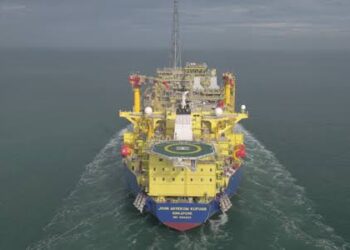
According to Mr. Narh, this resulted in systematic underpayment of upstream gas suppliers, particularly ENI and Vitol under the Sankofa OCTP project, despite their central role in providing baseload power.
The third major fault line was the depletion of Ghana’s US$500 million World Bank Partial Risk Guarantee.
He described the guarantee as a cornerstone credit enhancement that unlocked nearly US$8 billion in private investment, adding that its full drawdown due to payment defaults became “a reputational red flag” in global project finance circles.
A Sector on the Brink by 2025
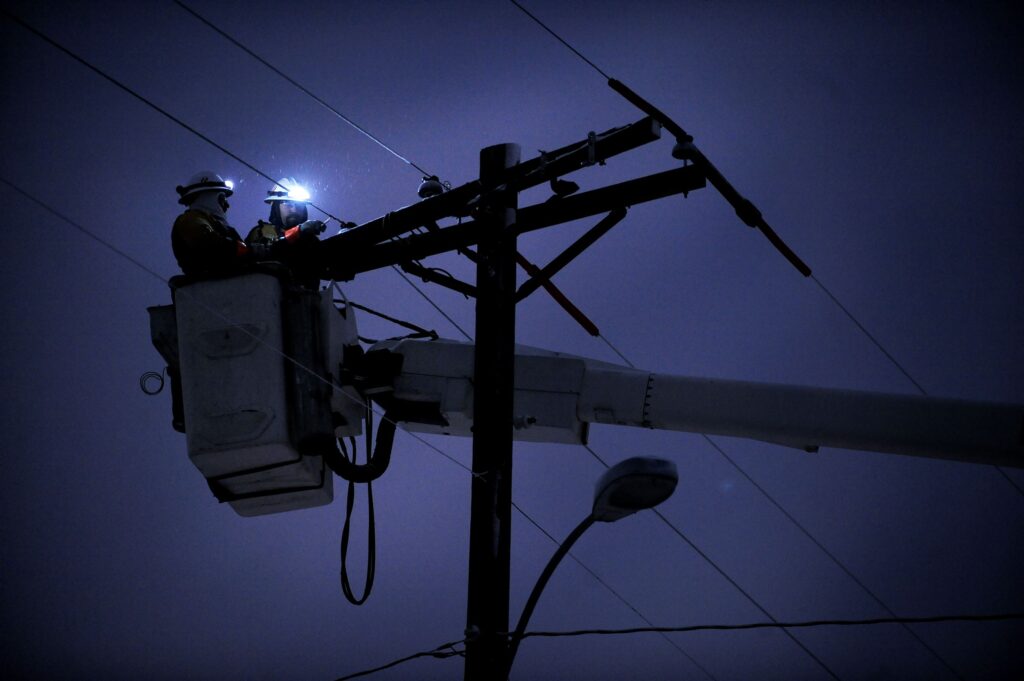
By January 2025, Mr. Narh said Ghana was facing a dangerous convergence of mounting arrears to independent power producers, strained gas supply, heavy reliance on expensive liquid fuels, and eroding trust with multilaterals and international investors. It was against this backdrop that the Mahama administration’s intervention took place.
Crucially, he argued that the government’s response addressed the crisis systemically rather than cosmetically.
At the heart of the intervention was the repayment of US$597.15 million, including interest, to fully restore the World Bank Partial Risk Guarantee. Mr. Narh described this as “arguably the most strategic component of the entire effort.”
In international finance, he explained, restored credit enhancement instruments immediately lower perceived sovereign and offtaker risk, reduce the cost of capital, and reopen access to long-tenor debt critical for infrastructure development.
“Countries such as Vietnam, Morocco, and Egypt have used similar guarantee restorations to catalyse new investment cycles,” he said, adding that Ghana has now re-entered that group.
Stabilising Gas Supply and Power Costs
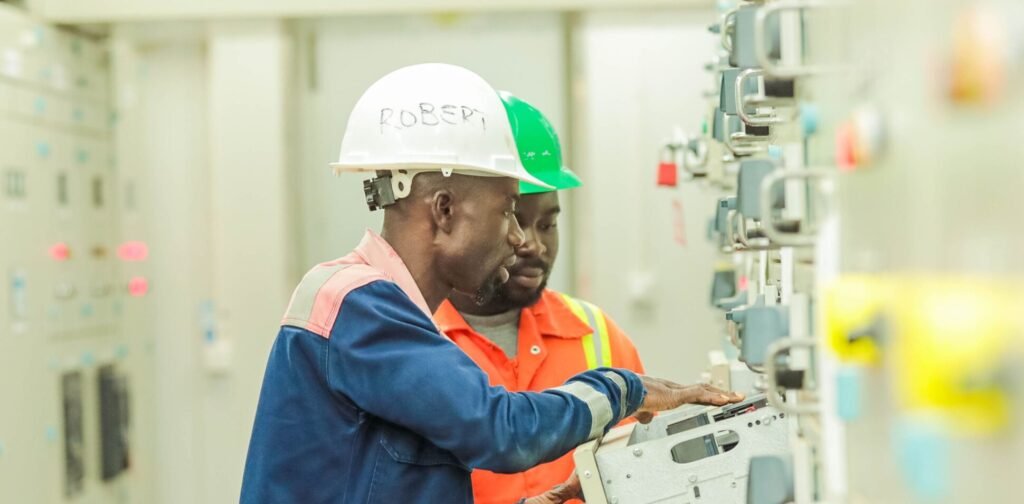
The clearance of approximately US$480 million in outstanding gas obligations to ENI and Vitol was another major outcome of the debt reset.
According to Mr. Narh, this move secured baseload gas supply, reduced reliance on liquid fuels that cost two to three times more, and stabilised power generation costs.
He pointed out that even modest reductions in liquid fuel substitution can yield significant savings, estimating that every 10 percent reduction saves Ghana between US$120 million and US$150 million annually in foreign exchange.
The settlement of US$393 million in legacy debts owed to independent power producers also had far-reaching effects.
Mr. Narh said clearing arrears owed to firms such as Karpowership, Cenpower, Amandi and others improves the bankability of power purchase agreements, strengthens the balance sheets of local lenders, and reduces contingent liabilities on the sovereign.
Drawing on global experience, he noted that once IPP arrears fall below one percent of GDP, investor appetite and refinancing activity tend to rebound sharply. “Ghana has now crossed that psychological threshold,” he observed.
Implications for the Wider Economy
According to Mr. Narh, energy sector debt once accounted for up to 30 percent of Ghana’s contingent liabilities.
Clearing these obligations improves debt sustainability metrics under IMF frameworks, strengthens Ghana’s hand in negotiations with multilaterals, and supports future credit rating upgrades when conditions allow.
He added that reliable power at predictable prices is essential for industrialisation, arguing that stabilised gas supply and restored confidence could revive momentum in manufacturing, mining, data centres and agro-processing.
Mr. Narh observed, “Countries that successfully industrialised prioritised power sector financial discipline before scale-up,” noting that Ghana is now aligned with that trajectory.
One of the most significant outcomes, Narh argues, is the institutional signal sent by the payment.
The enforcement of the Cash Waterfall Mechanism, explicit budgetary provisioning for energy payments and reduced political tolerance for arrears accumulation mark a shift from crisis-driven firefighting to rules-based sector governance.
“This transition from arrears-driven firefighting to rules-based sector governance is the defining feature of successful energy reform globally.”
Leadership, Policy Choices and the Road Ahead
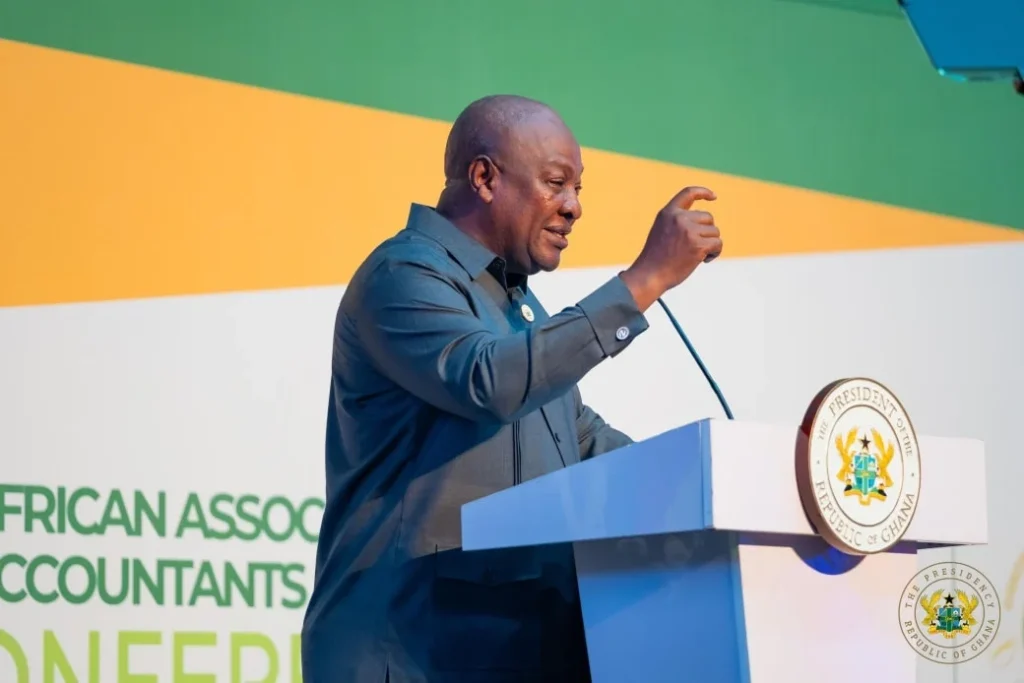
Clearing US$1.47 billion in a constrained fiscal environment was not an easy choice. Mr. Narh described it as an act requiring political capital, willingness to endure short-term pain and a long-term view of credibility.
In his conclusion, Narh frames the payment as more than a financial transaction. “This intervention should be understood for what it truly is: a reset of Ghana’s energy finance compact,” he wrote.
While challenges such as tariff discipline and demand management remain, he believes the hardest step has already been taken.
“On that score, the current Government deserves clear recognition,” Mr. Narh concluded, describing the move as “an act of economic statecraft” that repositions Ghana as a credible destination for long-term infrastructure investment.
READ ALSO: Muted Gains, Massive Value: GSE Records Capitalisation Leap Despite Single Gainer