Motorists and households across Ghana are set to enjoy another relief at the pumps from today, January 16, 2026, as fuel prices are projected to decline slightly nationwide. The expected reduction marks the second downward price adjustment this month, following earlier cuts at the start of January.
The outlook is contained in the latest pricing report issued by the Chamber of Oil Marketing Companies (COMAC), which serves as a key guide for pricing decisions by oil marketing companies operating in the downstream petroleum sector.
Industry analysts say the projected decline reflects a combination of favourable global market conditions and improvements in domestic currency performance, factors that have created room for oil marketing companies to reduce prices at the pumps.
Petrol, Diesel and LPG Prices to Fall
According to COMAC’s projections, the price of petrol is expected to drop by “between 1.26 percent and 2.30 percent,” potentially bringing the average pump price down to around GH¢11.75 per litre.
This would represent a modest but welcome reduction for consumers already benefiting from price cuts earlier in the month.
Diesel prices are also expected to ease. COMAC estimates that diesel could “decline by as much as 2.10 percent,” which may see the price per litre fall to approximately GH¢12.45, depending on pricing strategies adopted by individual oil marketing companies.
Liquefied Petroleum Gas (LPG), a key fuel for households and small businesses, is projected to record the largest percentage reduction. COMAC expects LPG prices “to drop by up to 5.09 percent,” potentially lowering the price of a kilogram to about GH¢12.30.
Market watchers note that while the reductions are marginal, the cumulative effect of successive price declines can provide meaningful relief to consumers over time.
Strong Cedi Supports Lower Pump Prices
COMAC highlighted the recent strong performance of the Ghana cedi as a major factor supporting the expected reductions at the pumps.
At the start of the year, the cedi recorded a notable appreciation against major trading currencies. For the January 16, 2026 pricing window, the local currency strengthened from GH¢11.52 to GH¢10.90 to the US dollar, representing a 5.71 percent appreciation.
This currency gain has helped reduce the cost of importing petroleum products, which are largely priced in US dollars. COMAC noted that the combined effect of lower international product prices and a stronger cedi has created room for oil marketing companies to adjust prices downward.
Industry analysts say currency stability remains one of the most critical factors in determining domestic fuel prices, particularly in an import-dependent market like Ghana’s.
Global Market Conditions Drive Outlook
Beyond the strong appreciation of the cedi, COMAC attributed the anticipated price reductions largely to movements in the international petroleum market.
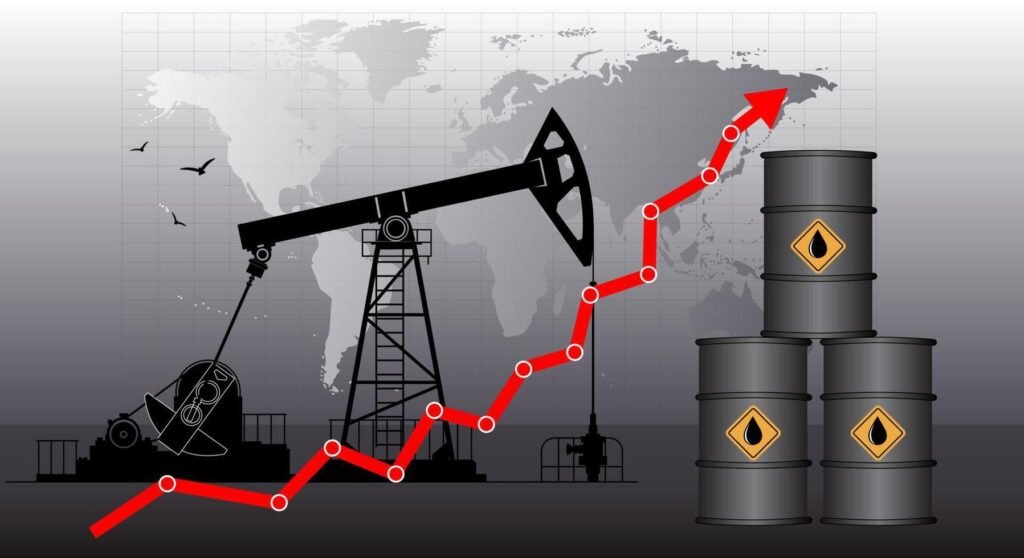
According to the chamber, prices of finished petroleum products on the global market have declined, even though crude oil prices have recorded a marginal increase.
The report noted that global petroleum markets remain characterised by oversupply, a factor that has continued to exert downward pressure on refined product prices such as petrol, diesel and LPG.
For the second pricing window in January, COMAC observed that while crude oil prices edged up, international prices for key finished products moved in the opposite direction. Petrol prices on the global market declined by 1.07 percent, diesel by 0.68 percent, and LPG by 3.40 percent.
These trends, COMAC said, “reinforce expectations of lower domestic pump prices,” as oil marketing companies typically price finished products based on international benchmarks rather than crude oil alone.
Competition and Consumer Relief
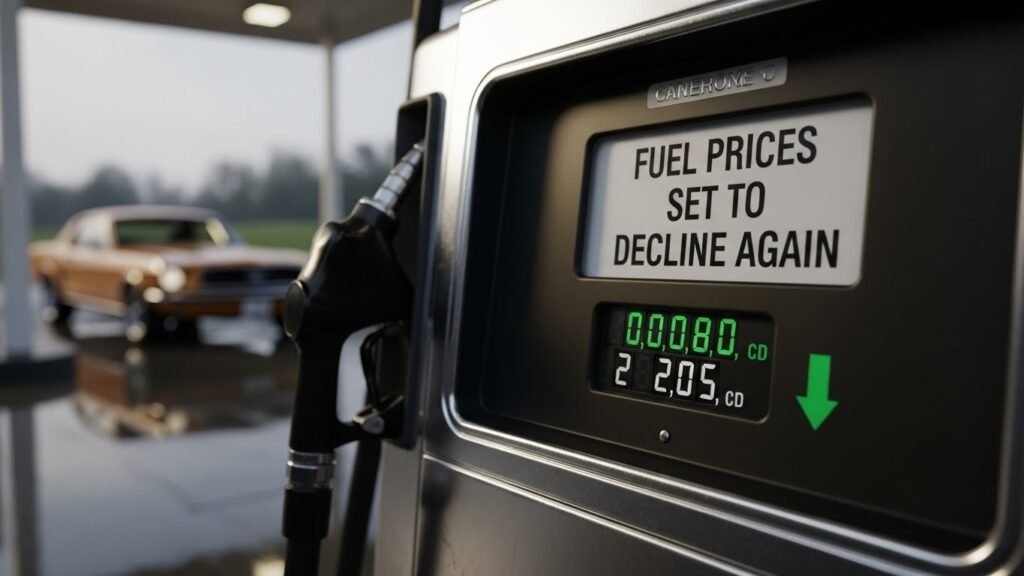
The expected reduction comes amid heightened competition among oil marketing companies, a trend that has already delivered price relief to consumers in recent weeks.
Market observers say competitive pricing dynamics could amplify the impact of the projected reductions, as companies seek to attract price-sensitive customers.
Although COMAC provides guidance, final pump prices are determined by individual oil marketing companies, meaning variations are likely across different outlets. Nonetheless, the chamber’s outlook suggests a broadly downward pricing trend for the second half of January.
While the current projections point to continued price moderation, industry players caution that fuel prices remain sensitive to global developments, including geopolitical risks and shifts in crude oil supply dynamics.
For now, however, the outlook remains positive for consumers. With global refined product prices easing, the cedi strengthening, and competition intensifying, the downstream petroleum sector appears positioned to sustain some level of price relief in the near term.
As oil marketing companies begin implementing new prices from January 16, consumers will be watching closely to see how much of the projected reductions are reflected at the pumps across the country.
READ ALSO: Frimpong Kodua’s “Guilty” Verdict Against Frimpong-Boateng Validates NPP Critics – Sammy Crabbe