Ghana’s economic performance in 2025 has exceeded projections, earning praise from the International Monetary Fund and reinforcing confidence in the country’s ongoing recovery programme.
The IMF described Ghana’s macroeconomic results as “better than expected,” citing broad-based improvements across key indicators including inflation, growth, external reserves and currency stability.
The positive assessment follows the successful completion of the fifth review under Ghana’s Extended Credit Facility programme. According to the IMF, the programme remains solid and firmly on track, countering public speculation that recent gains were the result of leniency rather than genuine economic progress.
IMF Rejects Claims of Leniency
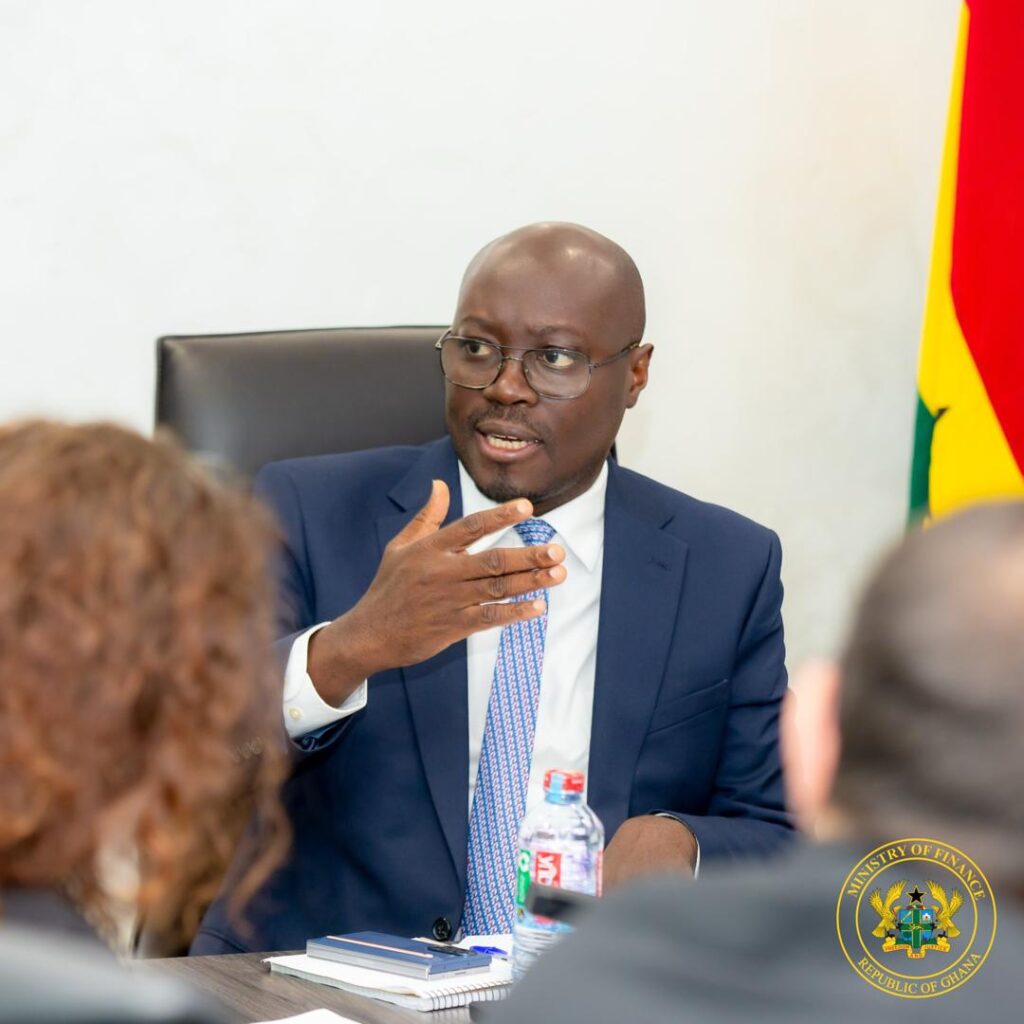
Speaking in Accra, the IMF Resident Representative in Ghana, Dr Adrian Alter, dismissed suggestions that Ghana’s performance ratings were influenced by flexibility from the Fund. He stressed that the IMF Board’s assessment was rooted strictly in results delivered within the programme framework.
“The authorities implemented strong corrective actions in the aftermath of the 2024 fiscal slippages, and the 2025 macroeconomic outcomes have been better than expected,” Dr Alter said. He explained that the Board’s conclusions were based on measurable improvements rather than sentiment or political considerations.
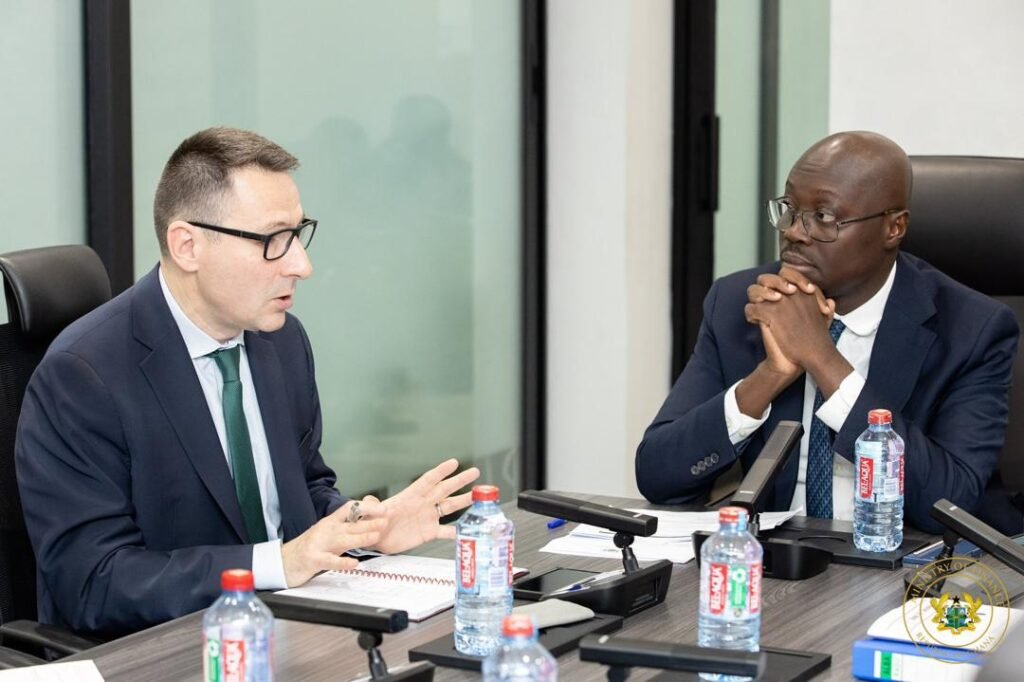
The IMF Board met on December 17 and approved the fifth review, describing Ghana’s overall performance as generally satisfactory. This approval confirmed that the country had met all the indicative and performance criteria targets set under the programme.
Targets Met and Reforms Largely Completed
One of the most significant outcomes of the review was confirmation that Ghana met all quantitative targets while advancing its structural reform agenda. Dr Alter noted that most of the reforms outlined under the IMF-supported programme had already been concluded and implemented.
“All indicative and performance criteria targets have been met, and most of the reform agenda has been concluded and implemented,” he said. This progress reflects efforts to tighten fiscal discipline, improve revenue mobilisation and strengthen public financial management following challenges encountered in 2024.
The reforms, according to the IMF, have begun to yield tangible results, restoring confidence among investors and development partners while supporting macroeconomic stability.
Fresh IMF Disbursement Pushes Support to $2.8 Billion
The successful review unlocked an additional IMF disbursement at the end of December, bringing total financial support under the Extended Credit Facility to approximately $2.8 billion. The release of funds provides Ghana with additional balance-of-payments support and fiscal space as it continues its recovery efforts.
“Ghana’s programme remains solid and on track with the fifth review being completed, and disbursement being done at the end of December,” Dr Alter said. The continued flow of IMF resources underscores the Fund’s confidence in Ghana’s policy direction and implementation capacity.
Inflation Falls Faster Than Expected
One of the standout achievements highlighted by the IMF was the faster-than-projected decline in inflation. Tight monetary policy, improved fiscal coordination and easing supply pressures contributed to the disinflation process, delivering relief to households and businesses.
“Inflation came down faster than expected,” Dr Alter noted. The IMF said the pace of disinflation exceeded earlier forecasts, reflecting the effectiveness of policy adjustments made under the programme.
Lower inflation has helped stabilise consumer prices, improve purchasing power and create a more predictable environment for investment and planning.
Growth Outperforms Forecasts
Alongside easing inflation, economic growth also exceeded expectations in 2025. The IMF attributed the stronger growth performance to improved macroeconomic stability, increased confidence and gradual recovery across key sectors of the economy.

“Growth exceeded expectations,” Dr Alter said. While challenges remain, the IMF believes Ghana’s growth momentum signals a gradual but meaningful recovery following years of economic strain.
The improved growth outlook has strengthened optimism among businesses and investors, supporting employment and domestic economic activity.
External Position and Currency Stability Improve
Ghana’s external position also recorded notable gains during the review period. According to the IMF, international reserves improved, providing a stronger buffer against external shocks.
“Reserves have improved. The currency appreciated and stabilised,” Dr Alter said. The stabilisation of the cedi has helped reduce volatility in import costs and ease pressure on businesses reliant on foreign exchange.
The IMF noted that multiple macroeconomic indicators showed positive results simultaneously, highlighting the cumulative impact of reforms and policy adjustments.
“There are many, many macroeconomic indicators that perform very well at the same time,” Dr Alter added.
Debt Restructuring Progress Boosts Confidence
Progress on Ghana’s debt restructuring was another factor supporting macroeconomic stability. The IMF said advances in restructuring discussions have reinforced confidence in the sustainability of the programme and reduced uncertainty around public debt.
According to the Fund, continued progress on debt restructuring remains critical to safeguarding gains already achieved and ensuring long-term fiscal sustainability.
While acknowledging the strong performance in 2025, the IMF emphasised the need for continued discipline and reform momentum. Sustaining gains will depend on maintaining prudent fiscal management, advancing structural reforms and protecting social spending.
READ ALSO: Government Moves to Fix Public Transport Crisis with Immediate and Long-Term Measures