Ghana Gold Board (GoldBod) has called on global investors to invest in the nation’s burgeoning gold refining sector, aiming to transform Ghana into a premier hub for value-added precious metals.
This strategic initiative seeks to move the country beyond the traditional export of raw minerals by incentivizing the establishment of state-of-the-art refineries capable of meeting rigorous international benchmarks.
“We are inviting other investors to take advantage of what we have started with Gold Coast Refinery to also invest in establishing refineries. Once you have the capacity and a clear strategy for LBMA accreditation, we will partner with you and provide the gold.”
Sammy Gyamfi, Esq., the CEO of GoldBod
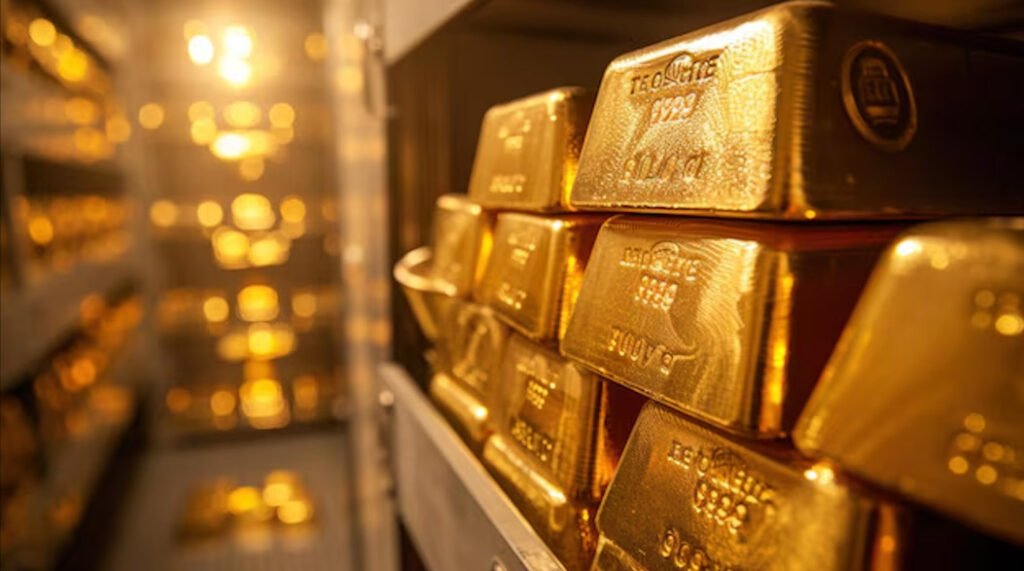
By prioritizing facilities that demonstrate a clear trajectory toward London Bullion Market Association (LBMA) certification, GoldBod intends to leverage its role as the sole statutory body for the purchase and assaying of gold to guarantee a consistent supply of feedstock to qualified partners.
This drive is underpinned by a landmark agreement where the Board currently supplies one metric tonne of gold weekly to the Gold Coast Refinery, with the flexibility to scale volumes as technical capacities expand across the industry.
Strategic Alliances and Capacity Expansion
The current refining landscape is being redefined by a tripartite partnership involving GoldBod, Gold Coast Refinery, and South Africa’s Rand Refinery.
This collaboration is designed to bridge the gap between local production and global standards, ensuring that Ghanaian gold is not merely processed but is “conforming with international standards” to gain universal market acceptance.
Sammy Gyamfi, Esq., the CEO of GoldBod, highlighted that the Board currently aggregates approximately 2.5 tonnes of gold weekly from the artisanal and small-scale mining (ASM) sector alone.
This surplus represents a massive untapped opportunity for investors to “see the capacity increase from one tonne to two tonnes” and beyond, as the state seeks to deepen its 15 percent equity participation in local refining infrastructure.
Global Investment as a Catalyst for Growth

Injecting international capital into Ghana’s downstream sector is critical for bridging the infrastructure gap that has historically limited the country to raw ore exportation. Global investment brings not only the necessary liquidity to build high-tech facilities but also the technical “know-how” required to navigate the complex LBMA accreditation process.
By integrating foreign expertise with Ghana’s vast mineral wealth, the industry can enhance traceability and transparency factors that are increasingly demanded by ethical jewelry brands and international bullion banks.
These investments will effectively de-risk the sector, allowing Ghana to capture a greater share of the value chain that was previously lost to offshore refineries.
Economic Implications and Value Addition

The shift toward a “decisive local value addition” model is expected to trigger a multiplier effect throughout the Ghanaian economy, moving away from the colonial-era extraction model.
Beyond the immediate benefit of job creation for local metallurgists and technicians, a robust refining hub enhances Ghana’s competitiveness by allowing the nation to export finished bullion bars rather than doré.
This transition strengthens the national currency and improves the country’s trade balance. Furthermore, by positioning itself as a regional center for LBMA-compliant refining, Ghana stands to service other gold-producing nations in West Africa, thereby “strengthening national participation” and cementing its footprint as a leader in the global extractive industry.