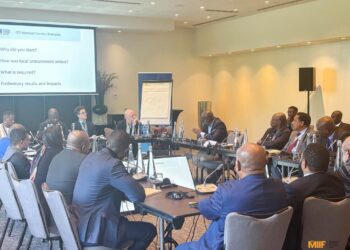
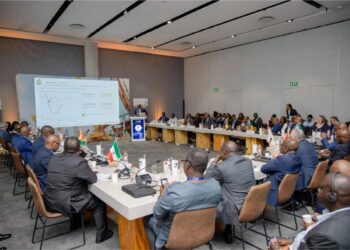
Ghana Gold Board (GoldBod) is set to launch a landmark nationwide gold traceability programme, beginning with a pilot phase involving approximately 600 artisanal and small-scale mining (ASM) operations.
This initiative is designed to authenticate the origin of gold entering the formal market, ensuring that every ounce is extracted through responsible and environmentally sustainable practices.
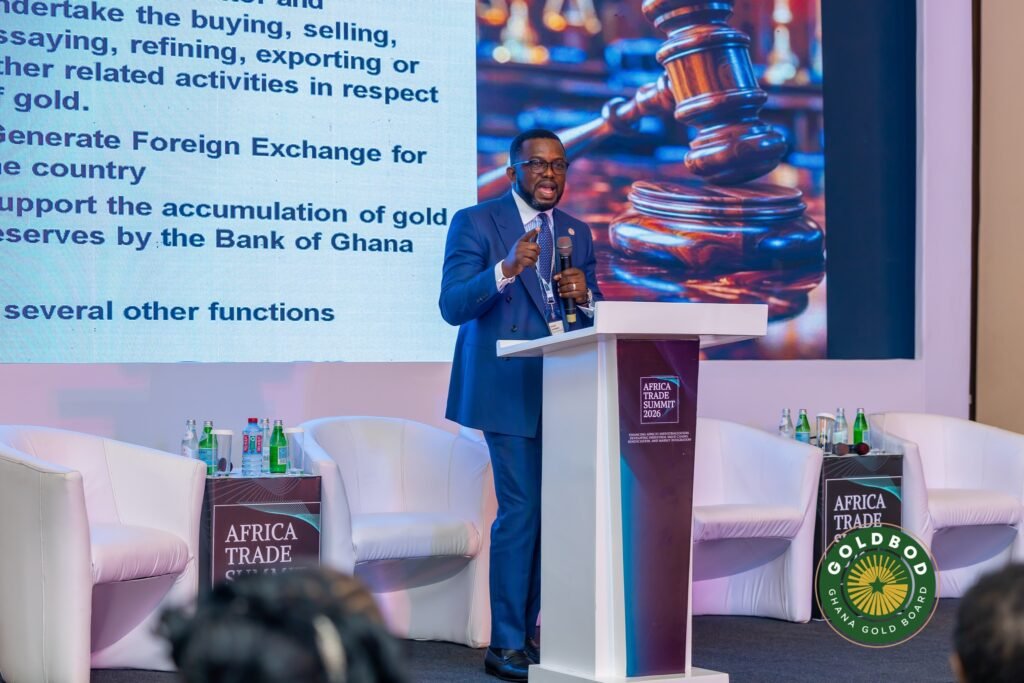
Speaking at the Africa Trade Summit 2026 at the Kempinski Hotel in Accra, the Deputy Chief Executive Officer of GoldBod, Richard Nunekpeku, Esq., emphasized that this pilot is merely the first step toward a comprehensive national framework.
The project aims to integrate all mining operations into a transparent system that feeds directly into Ghana’s formal export and refining infrastructure, effectively sanitizing the value chain to meet stringent global standards.
“GoldBod will support up to 600 mines under the traceability project so that all gold supplied to the Gold Coast Refinery is traced to make sure they are from sustainable mines. This initiative forms a critical pillar of GoldBod’s mandate to promote sustainability, transparency and compliance with international standards across the gold value chain.”
Richard Nunekpeku, Esq.
Strengthening the Regulatory Backbone and Economic Resilience

The establishment of the Ghana Gold Board under the Ghana Gold Board Act, 2025 (Act 1140) marked a transformative shift in the country’s extractive governance.
By replacing the former Precious Minerals Marketing Company (PMMC), GoldBod has assumed a robust mandate to oversee the entire lifecycle of gold from buying and assaying to refining and exporting.
This centralized model is already yielding significant dividends; in 2025 alone, GoldBod exported roughly 100 tonnes of ASM gold, injecting a staggering US$10 billion into the national economy.
The traceability programme serves as the “technological glue” for this new regulatory era. By creating a transparent digital trail, Ghana can more effectively build its national reserves via the Bank of Ghana, while simultaneously insulating the sector from the risks of smuggling and illicit financial flows.
As Mr. Nunekpeku noted, the board’s vision is to evolve into a “world-class gold trading organisation” that leverages value addition to drive “national economic transformation.”
Local Refining: Retaining Value and Creating Jobs
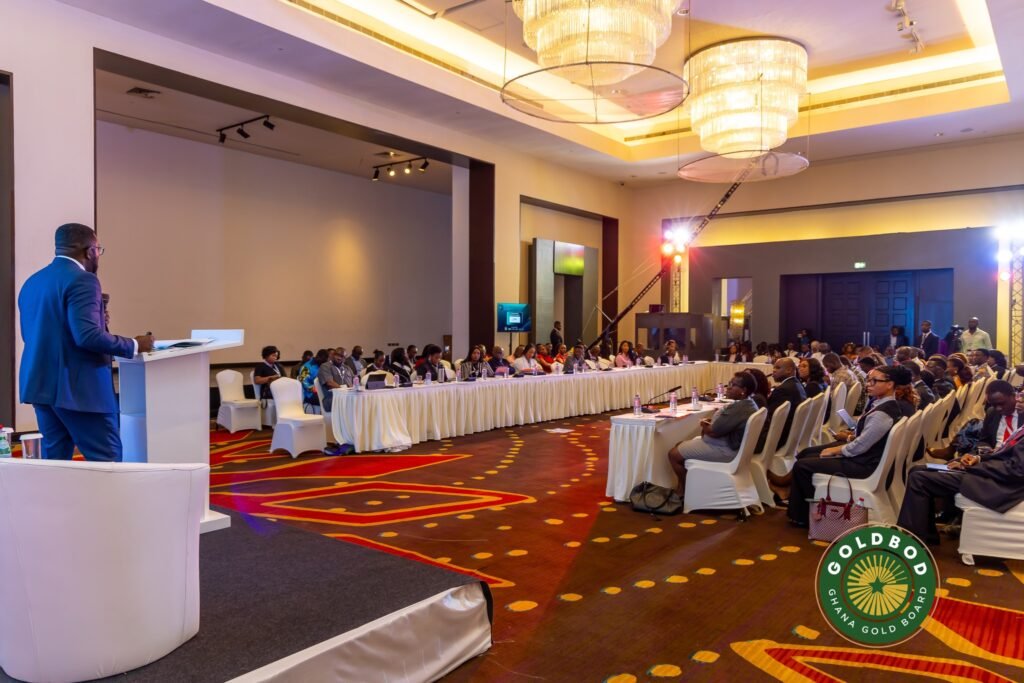
A cornerstone of the new traceability framework is the strategic alignment with local processing power. GoldBod has already inked a refinery agreement with the Gold Coast Refinery and is in active talks with other facilities to ensure that ASM-produced gold is refined within Ghanaian borders.
This shift from exporting raw “dore” gold to high-purity refined bullion is expected to significantly minimize purity losses and allow the state to retain millions in refining fees that were previously lost to offshore entities.
Beyond the balance sheet, the move toward local refining is a major employment engine.
“Local refining would help Ghana retain refining fees, create jobs, minimize purity losses and deepen value retention within the economy,” Nunekpeku explained.
To further bolster this, GoldBod is retooling GoldBod Jewellery Limited and establishing a state-of-the-art assay laboratory, ensuring that the “Made in Ghana” stamp on gold products carries the highest level of global competitive integrity.
Global Compliance and Social Responsibility
By partnering with international stakeholders like the World Gold Council, GoldBod is positioning Ghana as a leader in ethical mineral sourcing.
The traceability pilot does more than track metal; it verifies that mining sites are not infringing on protected forests or water bodies, aligning the ASM sector with global Environmental, Social, and Governance (ESG) criteria.
This compliance is vital for attracting premium international buyers who demand “conflict-free” and “green” gold.
Furthermore, the board’s impact extends into the communities it serves. Through its Special Intervention Programme Unit, GoldBod continues to channel a portion of its revenues into Corporate Social Responsibility (CSR) initiatives, supporting infrastructure and social welfare.
With a refined capacity and strategic partnerships now in place, the board remains confident that its future revenue performance will eclipse the record-breaking benchmarks set in 2025.
READ ALSO: EU Labels IRGC As Terrorist Organization