In a significant move to safeguard Ghana’s industrial backbone, the Association of Ghana Industries (AGI) and the Chartered Institute of Restructuring and Insolvency Practitioners (CIRIP) have initiated a strategic alliance to champion business rescue over liquidation.
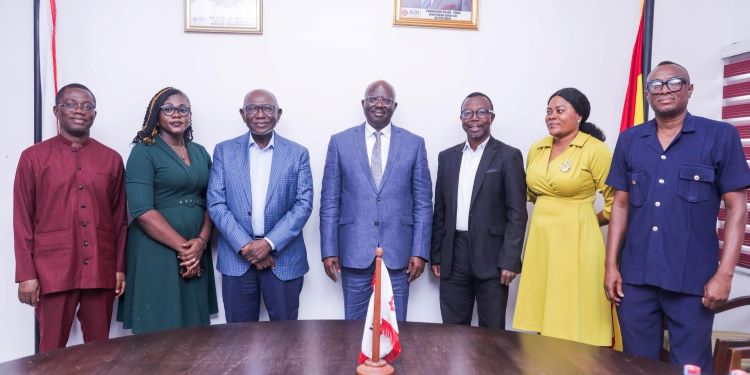
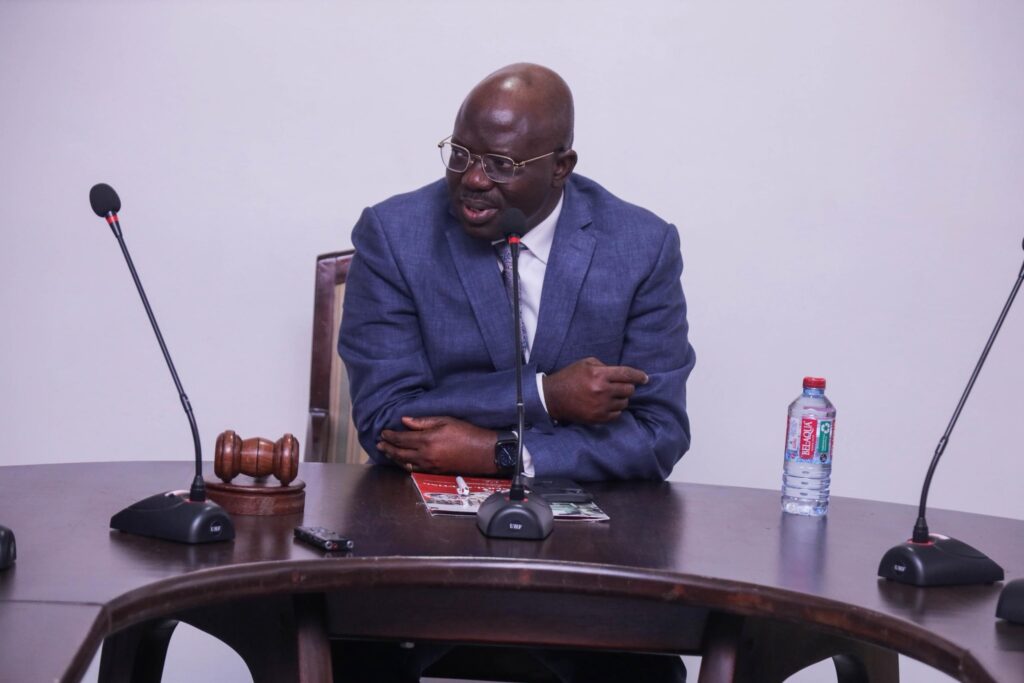
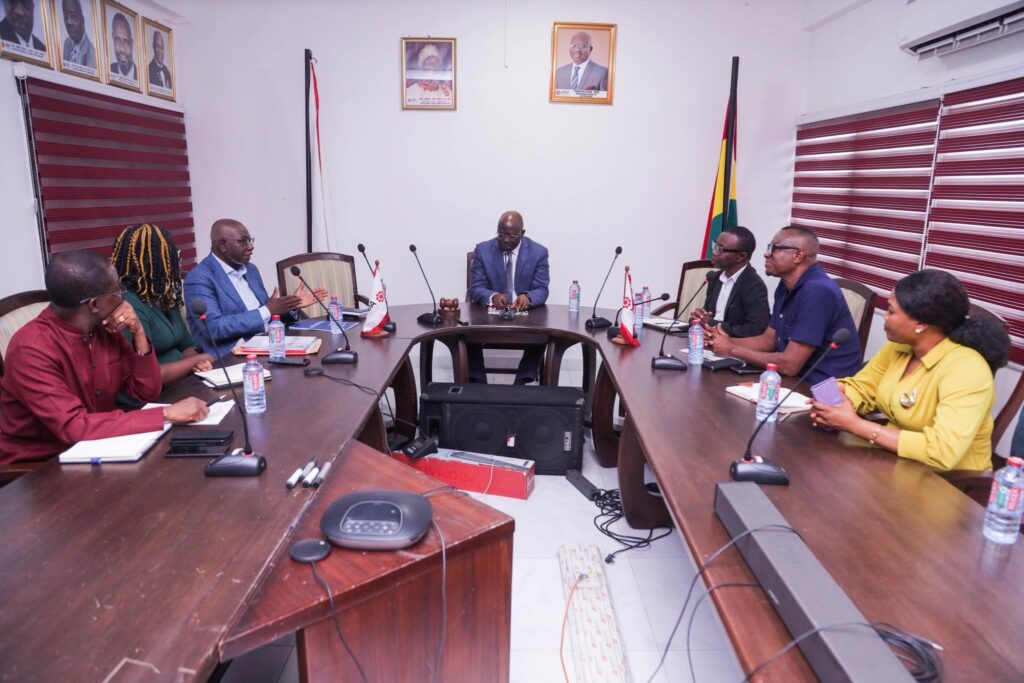
The President of AGI, Pharm. Kofi Nsiah-Poku, hosted a high-powered delegation from CIRIP, led by its President, Felix Addo, at the AGI National Secretariat to discuss the implementation of the Corporate Insolvency and Restructuring Act (CIRA).
“The engagement comes at a time when many Ghanaian manufacturers are grappling with the aftershocks of a volatile macroeconomic environment.
“By focusing on restructuring, the two institutions aim to provide a lifeline to distressed but fundamentally viable companies, ensuring that temporary financial setbacks do not lead to permanent industrial closures”
Association of Ghana Industries
Central to the discussions was the need to sensitize AGI members on the legal protections offered by CIRA, as often, distressed businesses succumb to creditor pressure simply because they are unaware of the moratorium protections afforded by the Act.
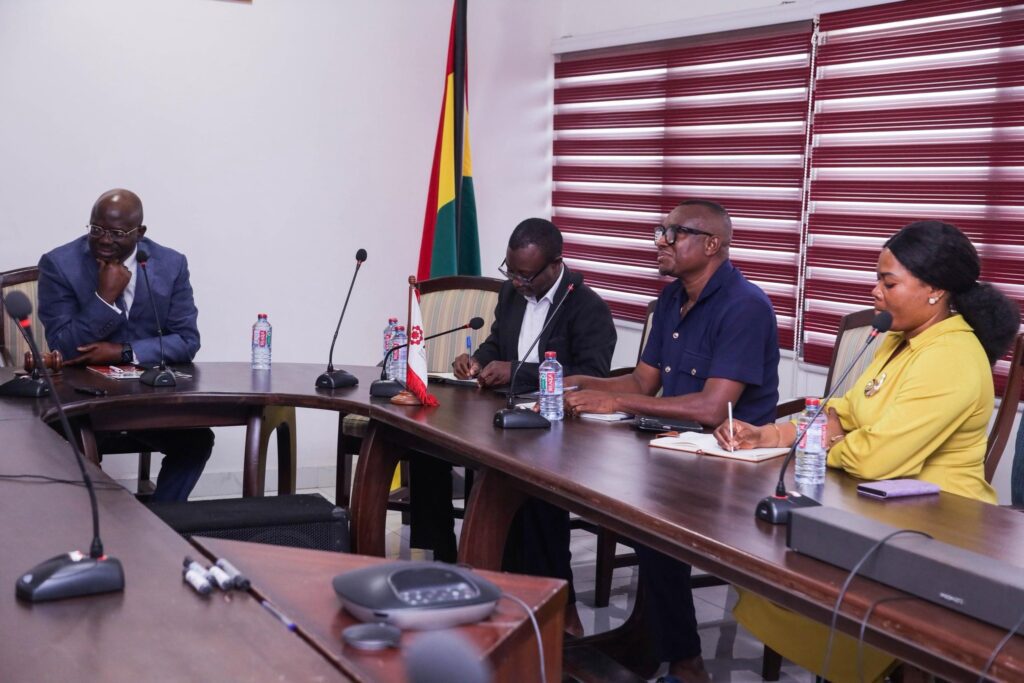
These protections provide a “breathing space,” preventing creditors from seizing assets while a professional restructuring plan is developed.
Mr. Felix Addo emphasized that “insolvency practice in Ghana is shifting toward a culture of preservation.” Rather than the traditional “vulture” approach of breaking up companies for parts, the new framework prioritizes professional support to reorganize operations and return them to profitability.
The Working Capital Trap
According to the AGI, a major hurdle identified during the meeting was the “non-performing loan” (NPL) stigma, where once a company is classified as non-performing by financial institutions, its access to credit is virtually severed – often at the very moment it needs working capital to fund a turnaround.
AGI and CIRIP explored the necessity for policy flexibility within the banking sector – to create a regulatory environment where companies undergoing formal restructuring can still access the liquidity needed to maintain day-to-day operations.
Both groups noted that without this “rescue financing,” even the most robust restructuring plan remains a theoretical exercise.
The AGI further revealed that to move beyond high-level dialogue, both institutions are preparing to sign a Memorandum of Understanding (MoU) to “formalise their partnership, facilitate joint sensitisation programmes at AGI national and regional events, and coordinate advocacy engagements with key stakeholders.”
By facilitating a nationwide sensitization drive, the partnership will bring insolvency experts to engage directly with factory owners and industrial entrepreneurs. This coordinated advocacy is expected to target key stakeholders, including the Bank of Ghana and commercial lenders, to ensure that the spirit of CIRA is reflected in the country’s lending practices.
Ultimately, the AGI-CIRIP alliance is a social and economic imperative. Every factory that is successfully restructured represents hundreds, if not thousands, of preserved jobs and a stabilized supply chain.
By strengthening the resilience of the manufacturing sector, Ghana protects its industrial sovereignty and reduces its reliance on imports.
“The engagement reaffirmed a shared commitment to protecting member businesses, preserving jobs, and strengthening Ghana’s industrial and manufacturing sector”
Association of Ghana Industries
As the MoU nears completion, the industrial sector looks forward to a more predictable and supportive framework for navigating financial distress, ensuring that the wheels of Ghanaian industry keep turning.
READ ALSO: AU Voices Solidarity With Madagascar After Cyclone Gezani