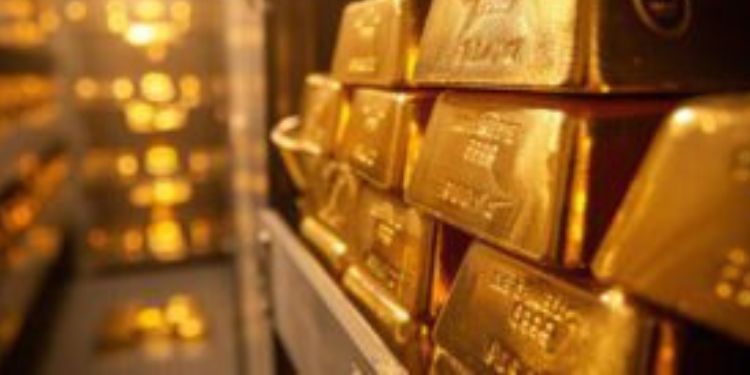
Gold prices experienced a significant retreat in the global market, with spot gold falling 1.2% to settle at $5,109.39 per ounce.
This downward movement followed an even sharper intraday plunge of more than 2%, triggered by the escalating U.S.-Israeli conflict with Iran which has fundamentally altered the global economic outlook.
While such geopolitical unrest typically drives investors toward safe-haven assets, the specific nature of this conflict has fueled intense inflation concerns, subsequently dimming the prospects for near-term U.S. interest rate cuts and providing a robust tailwind for the dollar.
“Historically, it is not uncommon to see gold falling as first reaction when financial markets show stress signs as gold is a highly liquid asset. Market participants are translating higher oil prices in rising inflation and central banks turning more hawkish.”
Giovanni Staunovo, UBS analyst
The market’s reaction reflects a complex shift in sentiment as U.S. gold futures for April delivery also felt the pressure, losing 0.8% to trade at $5,118.20.
Investors are pivotally recalibrating their expectations for the U.S. Federal Reserve’s upcoming two-day meeting on March 18, with the CME Group’s FedWatch tool now showing the odds of a June rate hold climbing to over 51%, up from 43% just last week.
This hawkish turn is largely driven by a 15% surge in oil prices to levels not seen since mid-2022, a byproduct of supply cuts and fears of “prolonged shipping disruptions” in the Middle East.
As U.S. 10-year Treasury yields hit a one-month high, the opportunity cost of holding non-yielding bullion has risen, leading to a broader sell-off in precious metals, including silver which dipped 0.3% to $84.07 and palladium which fell 1.3% to $1,604.09.
Macroeconomic Pressures on Global Mining Operations
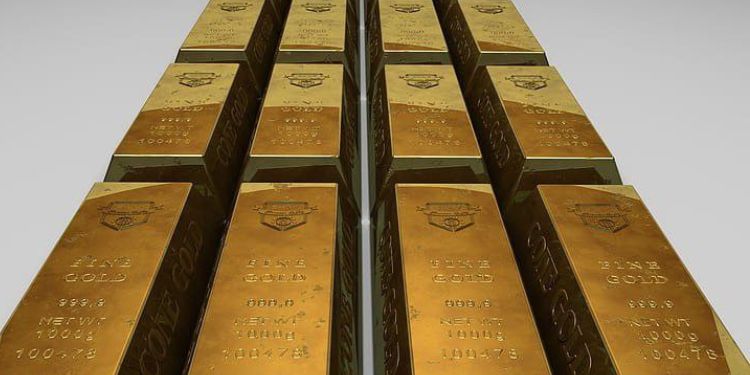
The sudden dip in gold prices combined with a surging dollar presents a “double-edged sword” for the global mining sector.
For multi-national extractors, a stronger dollar often inflates the cost of imported machinery and specialized technology, while the simultaneous drop in the value of their primary product squeezes profit margins.
The hawkish stance of central banks, as noted by Staunovo, suggests that the “cost of capital” for new exploration projects will remain elevated for longer than previously anticipated. This environment forces mining firms to prioritize operational efficiency and “liquidity management” over aggressive expansion, as the financial stress signs in the market make investors more cautious about funding capital-intensive extractive ventures.
Implications for the Ghanaian Extractive Industry
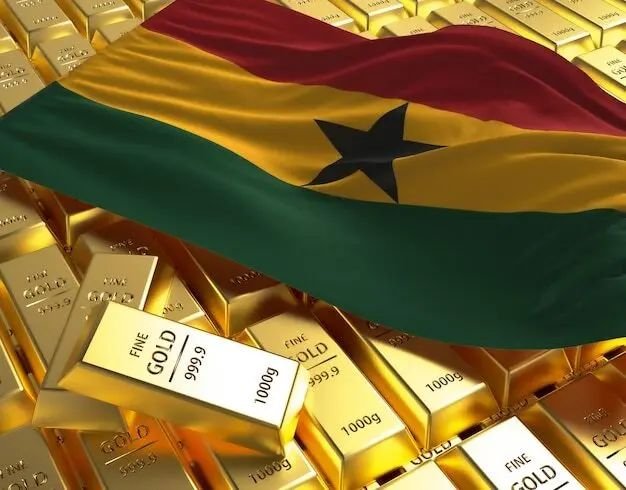
In Ghana, Africa’s leading gold producer, the price drop to $5,109.39 arrives at a sensitive time when the government is negotiating a transition from a fixed 5% royalty to a sliding scale that could reach 12%.
The recent price volatility complicates these fiscal reforms, as mining giants like Newmont and AngloGold Ashanti have expressed concerns that “aggressive” royalty hikes during periods of market instability could stifle reinvestment.
While the Bank of Ghana reported a robust current account surplus of $9.1 billion in late 2025 driven by previous price highs, a sustained downward trend in gold prices could weaken the Cedi and reduce the government’s expected “national value” capture from the mineral sector.
Sector Outlook and Investor Sentiment

Despite the immediate “stress signs” and the move toward $5,100, the long-term outlook for the extractive industry remains tied to the resolution of Middle East tensions and the trajectory of inflation.
Analysts suggest that while gold’s role as a liquid asset led to the initial sell-off, its fundamental status as a hedge against “prolonged shipping disruptions” and energy-led inflation may eventually provide a floor for prices.
For now, the “FEDWATCH” data remains the primary guide for the sector, as the mining world watches whether the Federal Reserve will indeed “hold rates steady” or if the current geopolitical volatility will necessitate a more drastic shift in global monetary policy.
READ ALSO: Ghana Increases Mining Levy, Establishes Gold Regulatory Board