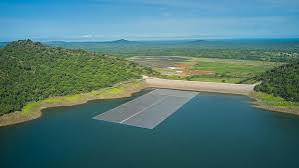
Construction of the first phase of Ghana’s flagship 1,500-megawatt Buipe Solar Power Project is expected to begin in August 2026, marking a significant milestone in the government’s drive to lower industrial electricity costs, strengthen energy security and position the country as a competitive manufacturing hub under the 24-Hour Economy and Accelerated Export Development (24H+) Programme.
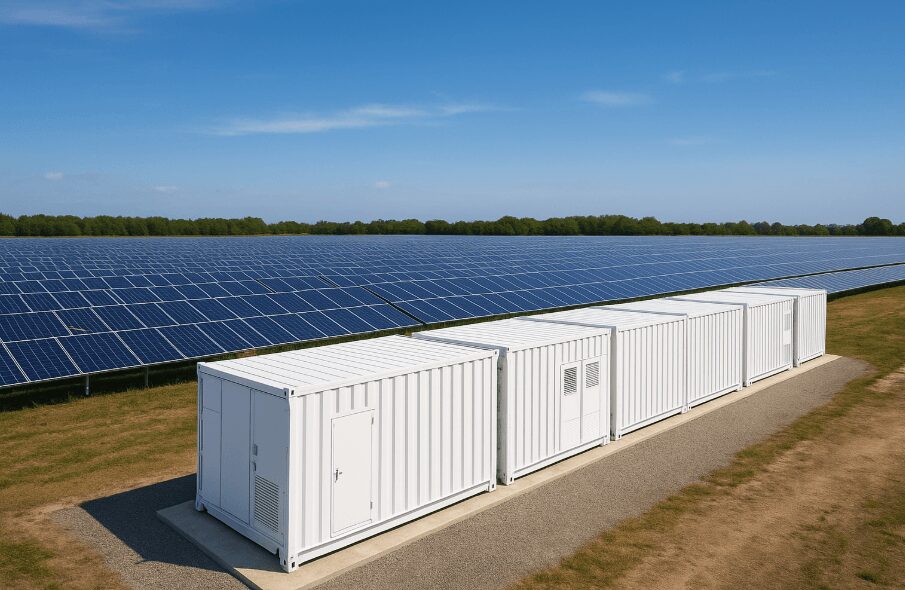
The project, which combines large-scale solar generation with battery energy storage, is expected to transform the country’s industrial power landscape by providing more affordable and reliable electricity to manufacturers, while reducing dependence on conventional power sources.
The announcement, as reported comes as Ghana continues to pursue an ambitious energy transition agenda that places renewable energy at the centre of industrial growth, export competitiveness and long-term economic transformation.
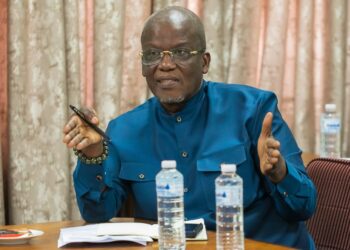
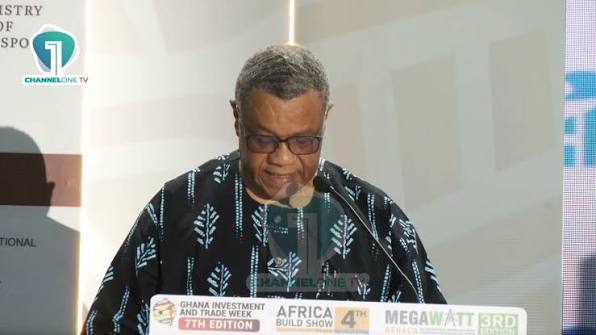
Speaking at the Ghana Investment and Trade Week (GITW) 2026 in Accra, Presidential Advisor on the 24-Hour Economy and Accelerated Export Development, Augustus Goosie Tanoh, confirmed that construction of the project’s first phase would commence next month after the signing of the Joint Development Agreement earlier this year.
The first hundred megawatts begins next month.
Augustus Goosie Tanoh, Presidential Advisor on the 24-Hour Economy and Accelerated Export Development
Renewable energy central to industrial strategy
The Buipe Solar Power Project is one of the flagship energy investments under the government’s 24H+ Programme, which seeks to remove infrastructure bottlenecks that have constrained industrial expansion and private sector investment.
According to Mr. Tanoh, the project will ultimately deliver 1,500 megawatts of solar generation capacity supported by battery energy storage, enabling industries to access dependable electricity at significantly lower prices.
He indicated that industrial electricity tariffs, which currently range between 18 and 23 US cents per kilowatt-hour, could fall to between seven and nine US cents once the project reaches full operation.
The expected reduction in electricity costs is intended to improve the competitiveness of Ghanaian manufacturers, lower production expenses, attract investment and support export-oriented industries operating under the government’s round-the-clock production model.
The announcement builds on earlier government disclosures that renewable energy would play a central role in powering the 24-Hour Economy, with battery-backed solar generation expected to become a major source of electricity for industrial parks, agro-processing facilities and manufacturing zones.
Wider infrastructure pipeline unveiled
Beyond the solar project, Mr. Tanoh outlined several strategic infrastructure initiatives being developed under the 24H+ Programme to support industrialisation and regional trade.
These include compressed biogas plants planned for Buipe and Damanko, the Kambonwule oil palm complex, agro-industrial parks in the Kwahu Afram Plains, the Tamale Air Cargo Hub, and the proposed Volta Economic Corridor.
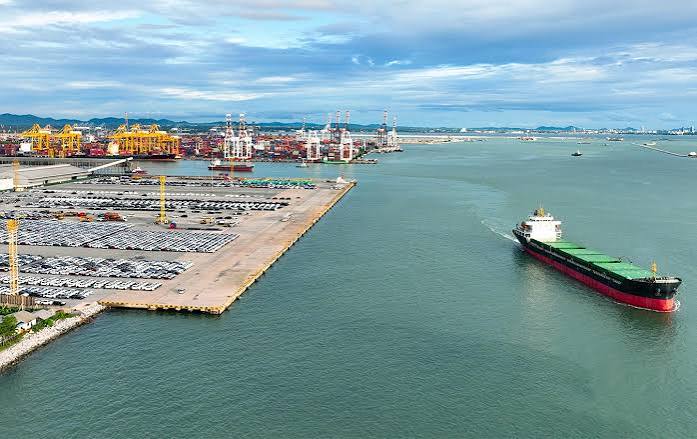
According to him, the Volta Economic Corridor alone has the potential to generate approximately 890,000 jobs, contributing substantially towards the government’s target of creating 1.7 million jobs by 2028.
Rather than waiting for investors to initiate projects, Mr. Tanoh said government institutions are undertaking preparatory work, including land acquisition, feasibility studies, delivery frameworks and demand aggregation before presenting projects to potential investors.
The 24-Hour Economy Programme exists to remove the constraints that have held private investment back.
Augustus Goosie Tanoh
His remarks reinforce the government’s strategy of reducing project development risks while encouraging greater private sector participation in infrastructure delivery.
Investment opportunities across the energy sector
Mr. Tanoh said the programme offers opportunities across several segments of Ghana’s energy and infrastructure value chain.
These include renewable power generation, battery storage systems, electricity transmission infrastructure, biofuels, waste-to-energy projects, electric mobility, affordable housing and the manufacture of construction materials.
He encouraged both domestic and international investors to partner with the government in implementing the programme’s priority projects.
The initiative is being implemented in collaboration with institutions including the Ghana Infrastructure Investment Fund (GIIF), the Ghana Investment Promotion Centre (GIPC) and the Ghana Free Zones Authority (GFZA).
Energy transition gathers momentum
The latest announcement adds further momentum to Ghana’s broader clean energy agenda.
Recent government initiatives have included the establishment of the Renewable Energy and Green Transition Fund, expanded solar deployment across public facilities, solar-powered irrigation systems, solar street lighting, household solar programmes and policies to encourage electric vehicle charging infrastructure.
Government has also increasingly positioned renewable energy as a means of reducing long-term dependence on imported fossil fuels while strengthening energy security and supporting industrial development.
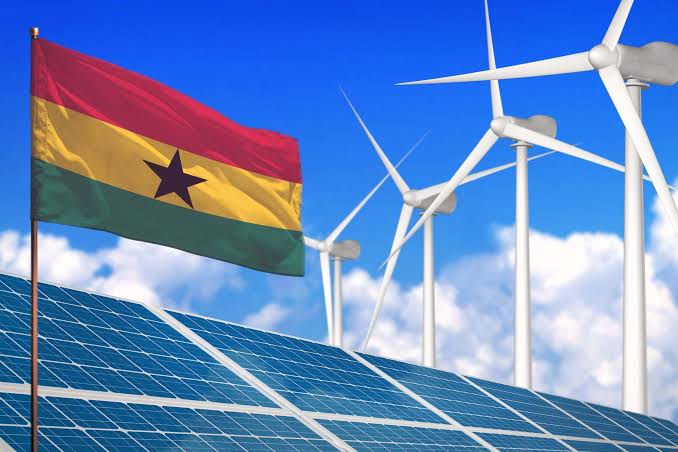
Industry observers note that combining utility-scale solar generation with battery storage could help improve electricity reliability while reducing exposure to fuel price volatility that has historically affected thermal power generation.
The Buipe Solar Project is therefore expected to serve not only as a major renewable energy investment but also as a cornerstone of Ghana’s industrial competitiveness strategy, linking affordable electricity with manufacturing growth, export expansion and private investment.
Its implementation will be closely watched by investors and the wider energy industry as Ghana seeks to accelerate its transition towards a more diversified, resilient and sustainable electricity system while supporting the country’s long-term economic transformation.
READ ALSO: Mahama Government Vows No Retreat in Galamsey Fight