Ghana is moving closer to one of its most ambitious renewable-energy proposals yet, with Sai Bioenergy Ghana Private Limited, in partnership with the 24-Hour Economy and Accelerated Export Development Secretariat (24H+ Authority), planning a large-scale energy complex in the Savannah Region that would combine solar power, battery storage and bio-methane production.
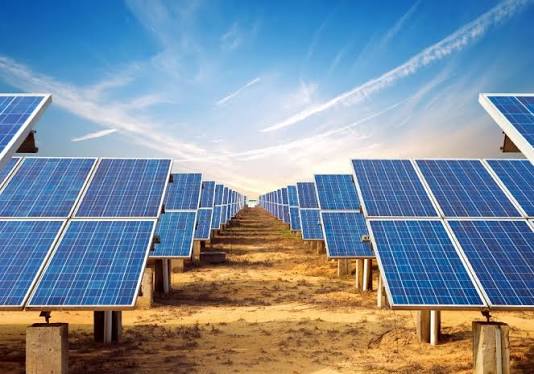
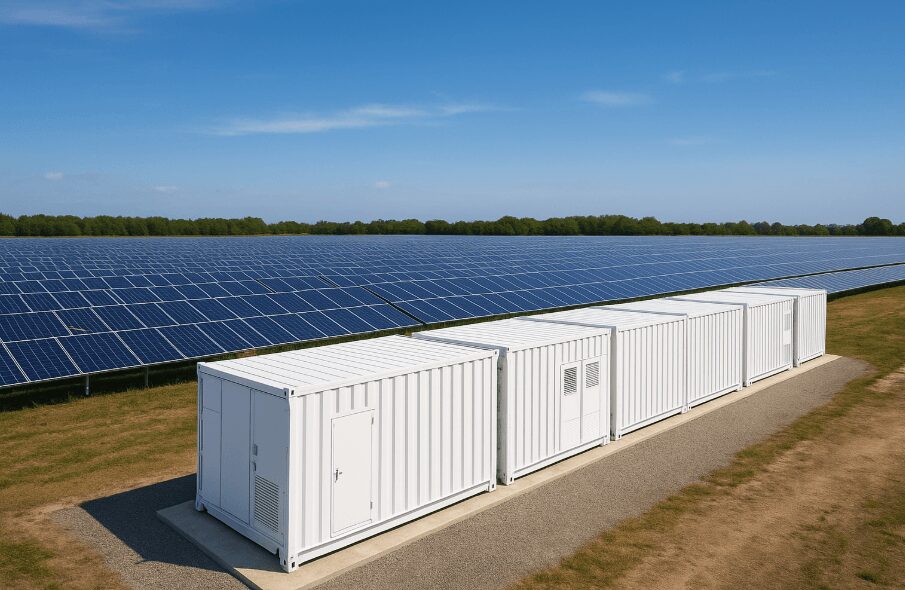
The project, proposed for Buipe in the Central Gonja District, includes a 1,500-megawatt solar photovoltaic plant, a 250-megawatt-hour battery energy storage system, and a 1,000-tonne-per-day compressed biogas and liquefied bio-methane facility.
If developed, the project would represent a significant expansion of renewable-energy infrastructure in northern Ghana and could become one of the largest integrated clean-energy developments currently proposed in the country.
More than a solar project
The proposal is notable because it goes beyond conventional solar generation.
The solar plant is expected to be developed in three phases, 100MW, 500MW and 900MW, while the battery storage system would be installed during the first phase to support grid stability and improve the value of the electricity produced.
In addition to solar generation, the project includes plantations for Napier grass and other energy crops intended to supply feedstock for the bio-methane component.
Together, the energy facilities and plantations are planned to cover about 35,041 hectares, creating a large-scale energy and agricultural development zone.
The combination of solar, storage and bioenergy points to a more diversified approach to renewable energy than Ghana has traditionally pursued.
Energy analysts
Why Buipe matters
The location is strategically important.
Buipe sits within a growing northern economic corridor and is relatively close to existing transport and energy infrastructure.
Large-scale renewable projects in the north can help diversify the geographic distribution of generation capacity, which has historically been concentrated in the southern and middle belts of the country.
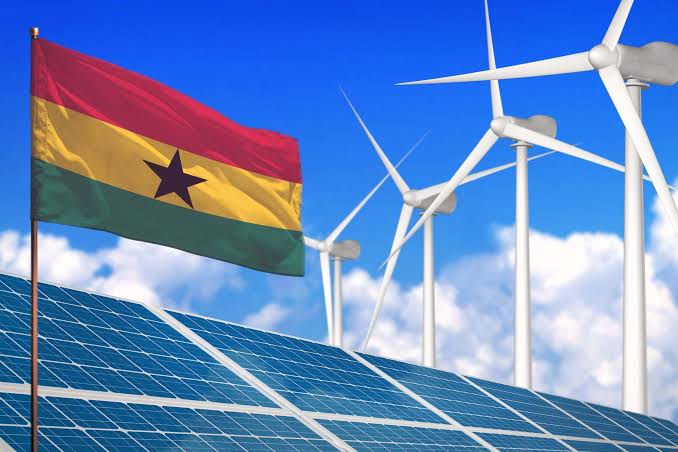
The battery component is particularly significant because it addresses one of the main challenges associated with utility-scale solar power: variability.
Storage allows some of the electricity generated during the day to be shifted to periods of higher demand, improving reliability and reducing pressure on the grid.
Bio-methane adds a different dimension
The proposed compressed biogas and liquefied bio-methane plant introduces an additional layer of complexity and potential value.
Unlike solar power, bio-methane can provide a dispatchable energy source and may have applications beyond electricity generation, including industrial use, transport fuel and future low-carbon energy markets.
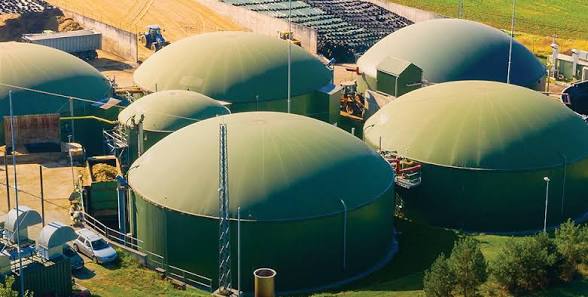
The integration of energy-crop plantations suggests that the developers are attempting to build a dedicated feedstock chain rather than relying solely on agricultural waste.
That approach could create rural economic activity, but it also raises important questions about land use, water demand and long-term sustainability.
Environmental review begins
The project is still at a preliminary stage.
A scoping notice for the Environmental Impact Assessment (EIA) has been issued, inviting members of the public and stakeholders with relevant knowledge or concerns to submit comments on the potential environmental effects of the development.
This is a critical step because projects of this scale can have significant implications for land, biodiversity, water resources, local livelihoods and community infrastructure.
The EIA process will help determine the scope of environmental studies required before any final approval is granted.
A test of Ghana’s 24-hour economy agenda
The involvement of the 24H+ Authority gives the project broader economic significance.
The government’s 24-hour economy agenda depends heavily on reliable electricity for industry, agro-processing, logistics and digital services.
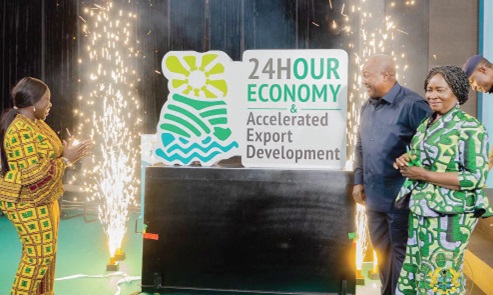
Large-scale renewable generation with storage could support that objective by increasing available power capacity while reducing exposure to imported fuels.
The proposal also aligns with Ghana’s longer-term goals of expanding renewable energy and reducing the carbon intensity of the electricity sector.
Ambitious, but not guaranteed
The scale of the proposal makes it potentially transformative, but also highly demanding.
Projects involving more than a gigawatt of solar capacity require substantial financing, grid integration planning, transmission upgrades, land management and long-term operational capability.
The use of separate special purpose vehicles for different components suggests an effort to structure the development in a way that may facilitate financing and risk allocation.
For now, the project remains a proposal under environmental review rather than a fully approved investment.
However, the Buipe initiative signals an important trend in Ghana’s energy landscape: the transition from standalone renewable projects toward integrated energy systems that combine generation, storage, fuel production and agricultural value chains.
If successfully implemented, it could become a significant test case for how Ghana develops large-scale clean-energy infrastructure while balancing investment, energy security, environmental protection and local economic development.
READ ALSO: Fidelity Bank Unveils Bold Plan to Transform Ghana’s Trade