Ghana has launched a major electricity expansion programme in the Central Region, with government positioning the project as part of a wider effort to close remaining access gaps, strengthen distribution infrastructure and support economic activity in rural and peri-urban communities.
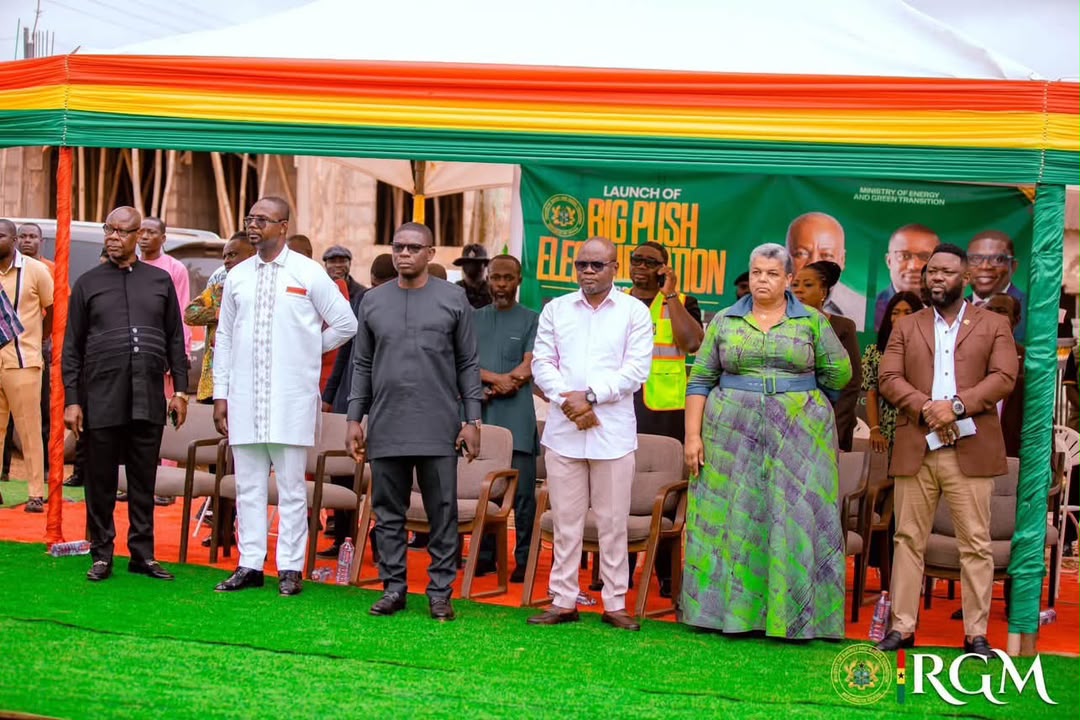
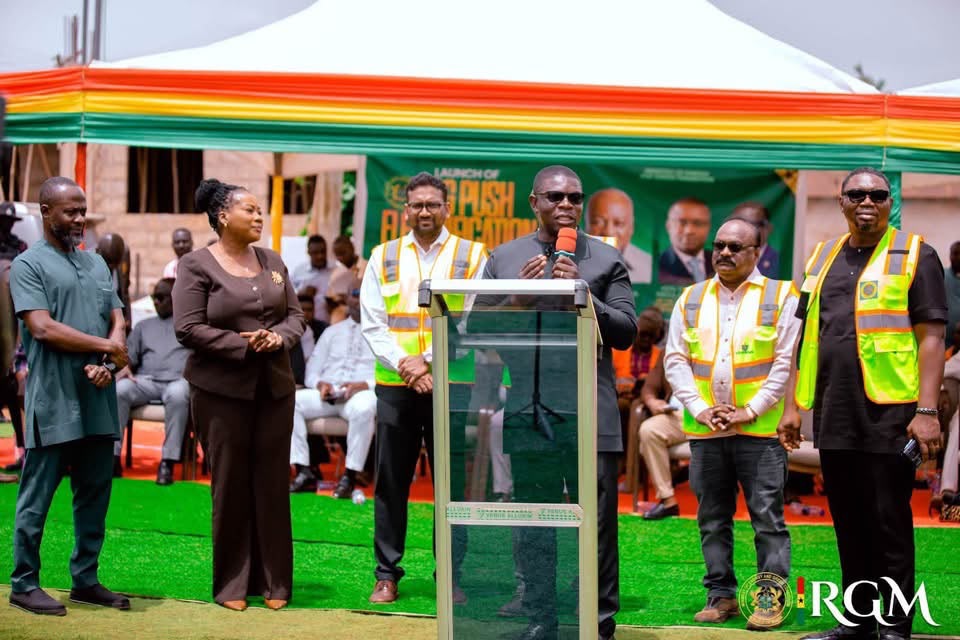
The initiative, launched in Gomoa Ajumako under the Rural Electricity Acceleration and Urban Intensification Initiative (REIP), involves an investment of GH¢598 million and is expected to extend electricity supply to 211 communities across 22 districts.
Representing the Minister for Energy and Green Transition, Dr. John Abdulai Jinapor, at the launch, Deputy Minister for Energy and Green Transition, Richard Gyan Mensah said the project forms part of President John Dramani Mahama’s Big Push Programme and is intended to accelerate the pace of electrification while improving the reliability of power delivery in underserved areas.
This programme is about delivering the infrastructure needed to unlock opportunity and accelerate development across the Central Region and Ghana.
Deputy Minister for Energy and Green Transition, Richard Gyan Mensah
Beyond access: a reliability project as well
The programme is not limited to connecting new communities.
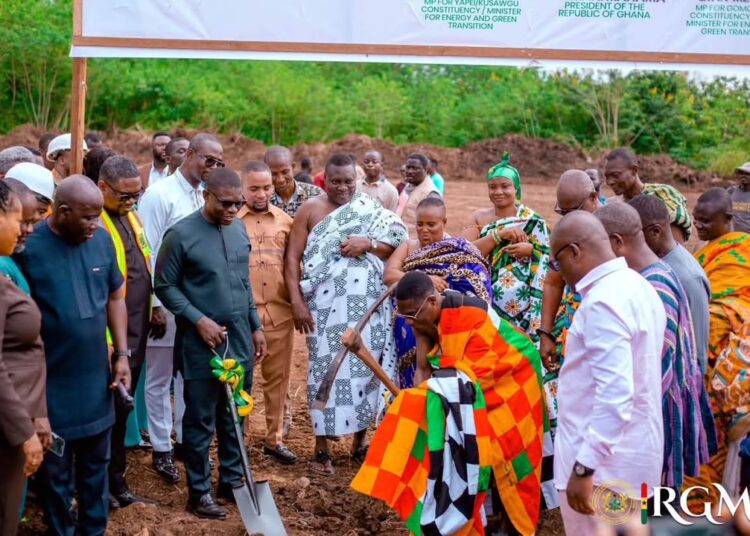
As part of the launch, sod was cut for the construction of a 20MVA 33/11kV ECG Primary Substation at Apam, a project designed to strengthen power supply in the Gomoa and Ekumfi areas.
The substation component is significant because it addresses a common weakness in electrification programmes: extending connections without adequately reinforcing the underlying distribution network.
Energy analysts note that new connections can increase demand on already constrained infrastructure if feeder capacity, transformer strength and substation availability are not expanded simultaneously.
The Apam substation therefore suggests that the project is being framed not only as an access intervention, but also as a network-strengthening measure.
A faster delivery model
Government expects the electrification works to be completed within six months, indicating a relatively compressed implementation schedule for a project of this scale.
The REIP initiative will operate alongside existing programmes including the Self-Help Electrification Programme (SHEP), the Cost Sharing Electrification Programme, and the National Streetlighting Programme.
The integration of multiple schemes points to an attempt to create a more coordinated electrification framework rather than relying on isolated interventions.
Why Central Region matters
The Central Region occupies an important position in Ghana’s electricity geography.
It combines coastal settlements, growing peri-urban communities, agricultural areas and tourism-related economic activity.

Expanding electricity access in such areas can have effects beyond household consumption, including support for small businesses, agro-processing, refrigeration, digital services and public facilities.
For communities that have remained outside the grid, electrification can also improve access to education, healthcare and communication services, particularly where power enables lighting, cold-chain equipment and internet connectivity.
The broader energy-policy signal
The launch reflects a broader policy shift toward accelerated infrastructure delivery in the energy sector.
While much national attention has recently focused on upstream petroleum, refining and power-generation issues, the Central Region project highlights that distribution and last-mile electrification remain central to Ghana’s energy-transition agenda.
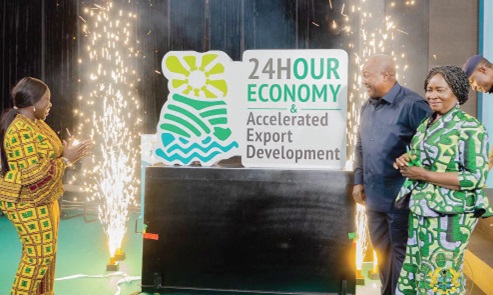
The emphasis on both rural acceleration and urban intensification is particularly notable because it recognises that electricity-access challenges are no longer confined to remote villages; rapidly expanding peri-urban areas also require substantial investment in distribution infrastructure.
A test of execution
The deeper significance of the project will ultimately depend on implementation.
Ghana has achieved high national electrification rates by regional standards, but remaining gaps are often concentrated in communities where connections are more expensive and network reinforcement is more complex.
The combination of new community connections and a major primary substation gives the programme a stronger technical foundation than a purely connection-based initiative.
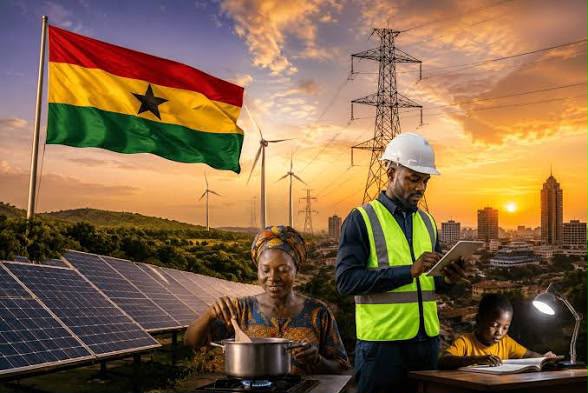
If completed on schedule, the project could provide a useful indication of whether government’s current infrastructure strategy can deliver both expanded access and improved reliability within a compressed implementation period.
For the energy sector, the Central Region launch is therefore more than a ceremonial electrification event.
It is a test of whether accelerated public investment can translate into a more resilient and economically productive distribution network at the community level.
READ MORE: Oppong Nkrumah Sues CJ Over Vacation Court Warrants at Supreme Court