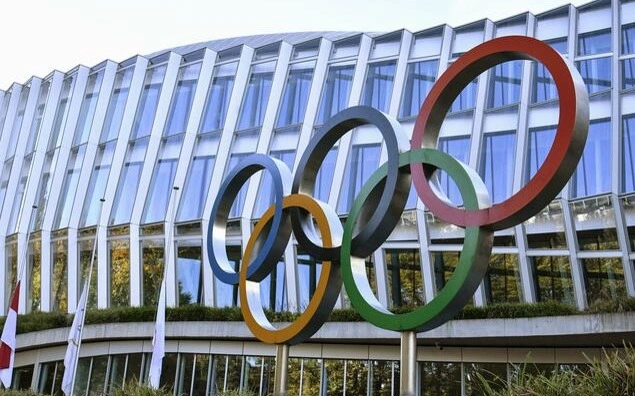
The International Olympic Committee (IOC) has called for a fundamental shift in the way elite sport approaches mental health, urging sporting organisations to treat athlete wellbeing as a collective responsibility rather than an issue for individual athletes alone.
The call is contained in a new international consensus statement published in a special edition of the British Journal of Sports Medicine, providing updated guidance on mental health in elite sport. The statement builds on the IOC’s landmark 2019 consensus and places greater emphasis on prevention, early identification and the environments in which athletes train and compete.
Developed through an IOC-led process involving 31 international experts, the statement examined 27 priority areas concerning athlete mental health and wellbeing. Experts met in Lausanne in June 2025 before developing recommendations aimed at creating more effective and sustainable support systems.
The updated guidance recognises that elite athletes experience mental health symptoms and disorders at rates comparable to, and in some cases higher than, the wider population. However, the demands of high-performance sport can expose athletes to additional pressures, including injuries, performance expectations, major career transitions, social media scrutiny and organisational culture.
The experts argue that mental health cannot be separated from physical health or sporting performance. Previous IOC guidance has similarly highlighted the links between mental health, injury risk and recovery, while emphasising the need for environments that support athletes rather than focusing exclusively on treating individual problems.
At the centre of the new statement is a clear message that responsibility must extend throughout the sporting system. “The responsibility for prevention, recognition and management of mental health symptoms and disorders and for promoting wellbeing extends across the entire elite sport ecosystem,” the experts state.
From Individual Responsibility to Sporting Culture
The consensus calls on sports organisations to build cultures where athletes feel psychologically safe enough to seek help without fearing stigma, breaches of confidentiality or damage to their careers.
Organisations are encouraged to introduce evidence-based mental health screening and monitoring where appropriate, allowing potential concerns to be identified before they escalate. The approach represents a move towards making mental health assessment a more routine part of athlete care.
The statement also recommends that sports bodies establish clear procedures for responding to mental health emergencies and provide healthcare that is individualised and culturally responsive.
Coaches and support staff are identified as particularly important because of their regular contact with athletes. The experts recommend role-specific mental health education so that those working closest to athletes can recognise warning signs and respond appropriately.
The broader objective, according to the consensus, is not simply to identify disorders but to create conditions that promote wellbeing and resilience. The IOC’s earlier framework also stressed that mental health care should be accessible in much the same way as other forms of medical support.
Career Transitions and Vulnerable Groups
The statement places particular emphasis on periods when athletes may be more vulnerable, including the transition into elite sport and retirement from competition.
For athletes leaving professional sport, the loss of routine, identity, income and established support networks can create significant challenges. The consensus therefore calls for mental health considerations to be incorporated throughout an athlete’s career rather than introduced only when problems emerge.
It also highlights the specific needs of adolescent athletes and Para athletes, recognising that a single model of mental healthcare may not adequately address the different circumstances experienced across elite sport.
Injury is another area receiving attention. The experts underline the close relationship between physical injury, mental health and performance, reinforcing the need for athletes recovering from injuries to receive appropriate psychological as well as physical support.
The new recommendations also have particular significance for countries with limited mental healthcare resources. A recent BJSM commentary on applying the IOC framework in low- and middle-income countries warned that shortages of specialists, uneven access to services, stigma and socioeconomic pressures can make implementation more difficult, requiring culturally appropriate and locally adaptable solutions.
Ultimately, the IOC consensus argues that protecting mental health should be regarded as fundamental to both athlete welfare and sustainable high performance.
Its message is therefore directed beyond the athlete. Sporting leaders, federations, coaches, medical teams and support personnel are all being challenged to accept accountability for creating environments in which athletes can perform at their best without sacrificing their mental wellbeing.
READ ALSO: Fidelity Bank Unveils Bold Plan to Transform Ghana’s Trade