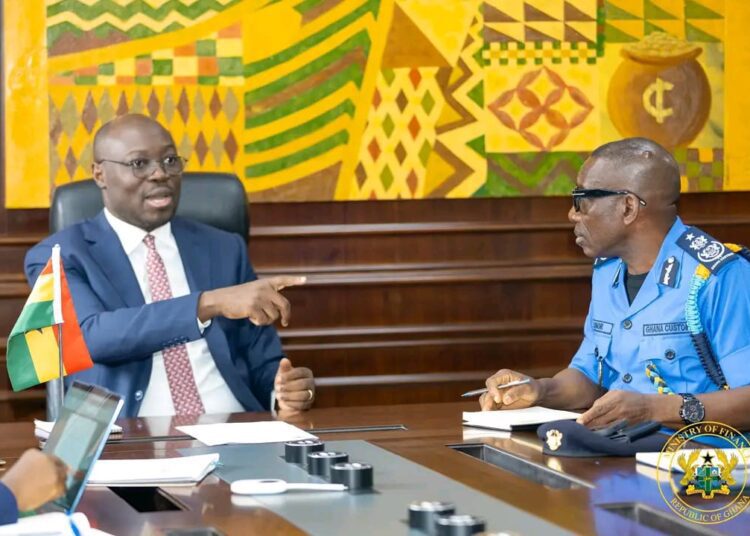
Ghana’s Finance Minister Dr Cassiel Ato Forson, has announced new directives aimed at strengthening border controls and protecting government revenue following concerns about irregularities in the transit of goods through the country’s land borders.
The measures were announced after the minister held a meeting with the Acting Commissioner of Customs, Aaron Akanor, and the management of the Customs Division of the Ghana Revenue Authority to review recent developments affecting customs operations and revenue collection.
According to Dr. Forson, the government is determined to close gaps in the customs system that have allowed certain goods to enter or transit through Ghana without proper monitoring.
The meeting, he explained, focused on identifying immediate actions that would safeguard national revenue and strengthen the integrity of the country’s border management framework.
Following the discussions, the Finance Minister directed the Ghana Revenue Authority to implement a set of urgent measures designed to tighten controls and reduce the risk of revenue leakages.

Ban on Land Transit of Selected Goods
One of the key directives issued by the minister is a ban on the land transit of certain categories of goods that are frequently imported into Ghana.
Under the new policy, products such as cooking oil, rice, sugar, frozen products, textiles, flour, canned tomatoes, pasta and spaghetti, as well as pharmaceutical items will no longer be permitted to enter or move through Ghana using land border routes.
Instead, these goods must now be routed exclusively through the country’s seaports, where customs officials can carry out more comprehensive inspections and revenue assessments.
Dr. Forson said the directive is intended to strengthen monitoring systems and ensure that all applicable duties and taxes are properly collected.
The policy is also expected to reduce the possibility of goods being diverted into the local market without proper documentation, a practice that has previously undermined revenue collection efforts.
Customs Technical Services Bureau Recentralised
In addition to the land transit ban, the Finance Minister has ordered the recentralisation of the Customs Technical Services Bureau within the Ghana Revenue Authority.
The move will create a centralised one stop system for customs valuation and improve intelligence sharing among relevant departments within the customs administration.
According to Dr. Forson, the new arrangement will enable officials to coordinate more effectively and respond quickly to irregularities within the import and transit process.
The system will also incorporate insights generated through the Publican AI platform, which is used to analyse customs data and detect unusual trading patterns.
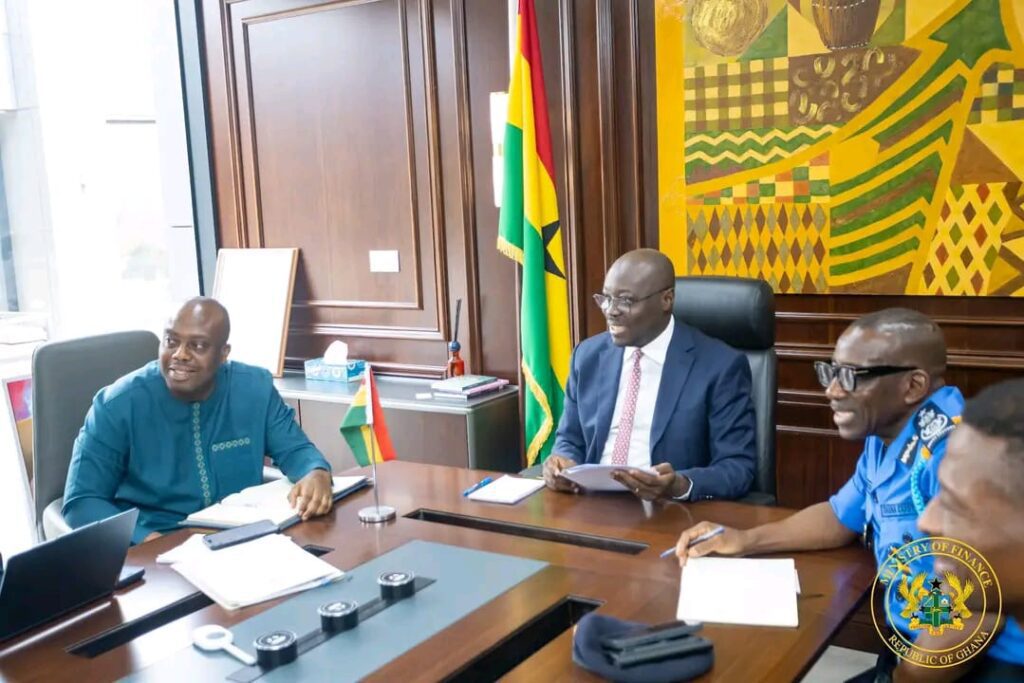
Officials believe that integrating technological tools with centralized oversight will strengthen the ability of customs authorities to identify suspicious transactions and prevent potential revenue losses.
Investigation Into Missing Transit Trucks
The government’s decision to introduce the new measures follows investigations into a major customs irregularity that occurred earlier this year. In February 2026, eighteen articulated trucks carrying goods were cleared for transit at the Akanu Border but failed to reach their declared destinations.
Subsequent investigations revealed that twelve of the trucks were later intercepted near Tema while six others remained unaccounted for. The goods involved in the case reportedly included cooking oil, spaghetti and tomato paste.
According to investigators, the trucks were electronically cleared out of the customs system but moved without the mandatory physical customs escort that is required to accompany transit goods.
This unusual movement raised suspicions that some officials within the customs system may have collaborated in the scheme. Initial assessments suggested that the irregular operation could have resulted in the loss of approximately 2.6 million Ghana cedis in unpaid taxes.
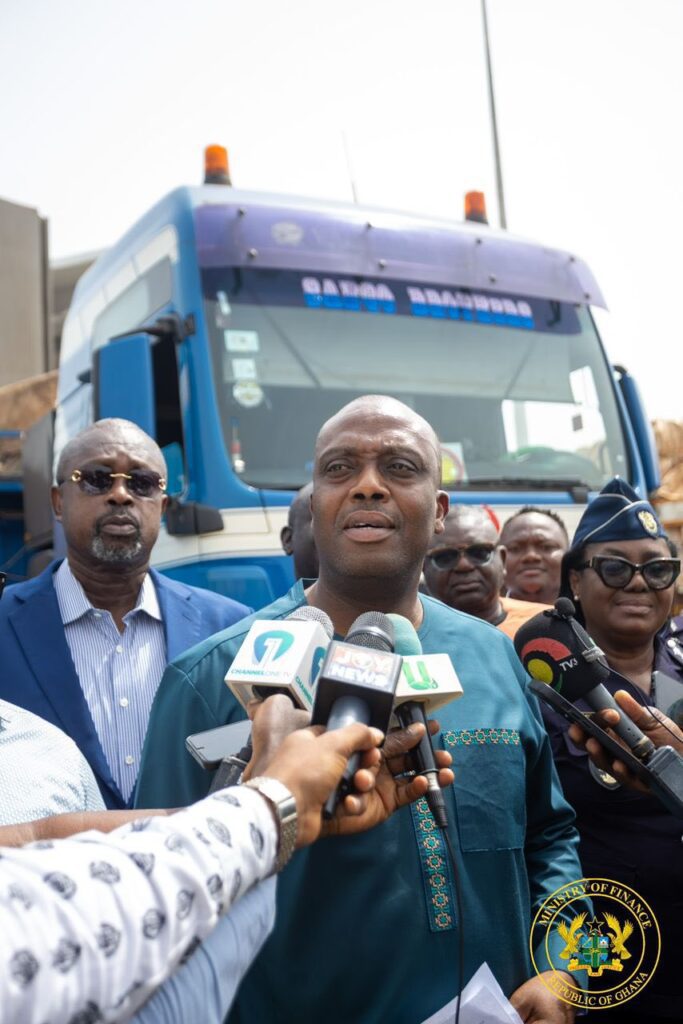
However, further investigations revealed that the scale of the operation was much larger than initially believed. Revised estimates now place the potential revenue loss at more than 85 million Ghana cedis.
Authorities say the case has exposed serious weaknesses in the monitoring of transit cargo and highlighted the need for stronger enforcement mechanisms at Ghana’s borders.
Disciplinary Action Against Officials
In response to the incident, several customs officers linked to the failed escort of the trucks have been interdicted pending disciplinary proceedings. Officials say the investigations are ongoing and that additional administrative actions may follow depending on the outcome of the inquiry.
The government has emphasized that any individuals found responsible for facilitating the illegal movement of goods will face appropriate sanctions under the law. Dr. Forson said the new directives form part of a broader strategy to protect Ghana’s revenue base and improve the efficiency of customs operations.
He stressed that ensuring proper monitoring of imports and transit goods is critical for sustaining government revenue, especially at a time when the country is working to strengthen fiscal stability.
The Finance Minister has therefore instructed all departments within the Customs Division of the Ghana Revenue Authority to ensure strict compliance with the new directives.
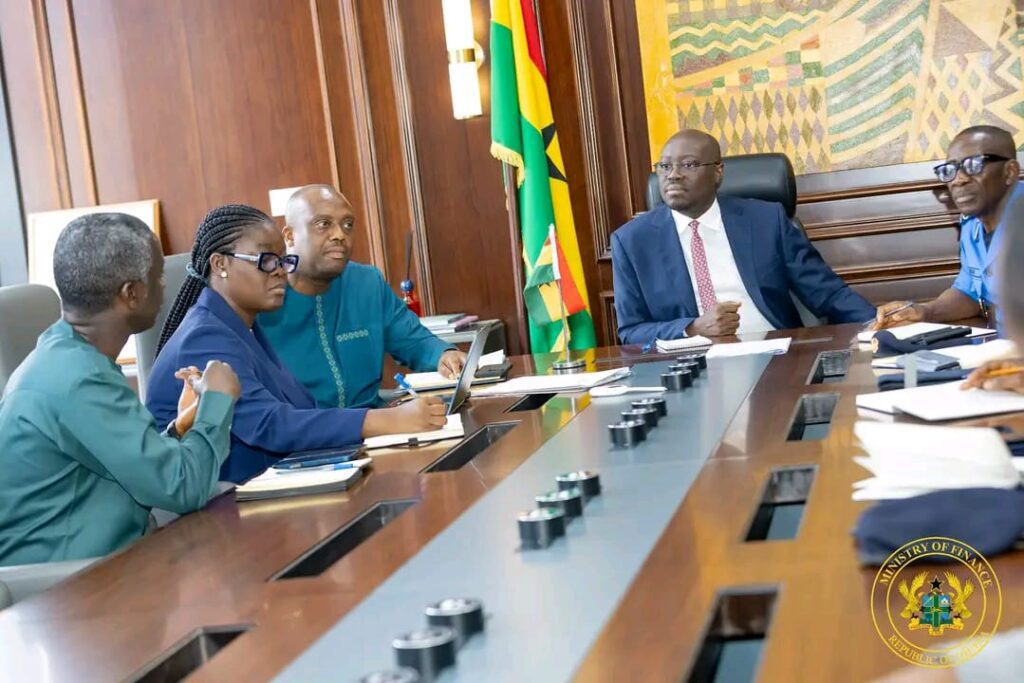
Authorities believe that the combination of tighter border controls, centralized valuation systems and improved intelligence sharing will significantly reduce the risk of future revenue losses.
For the government, the latest measures represent a decisive effort to reinforce accountability within customs operations while protecting the resources needed to support national development.
READ ALSO: BoG, Partners Host Major Fintech Forum