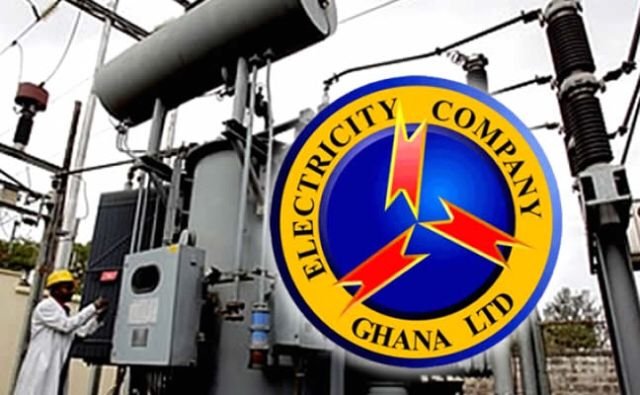
Electricity Company of Ghana (ECG) has announced plans to commence an extensive transformer replacement and upgrade exercise across several key residential and commercial enclaves in the Greater Accra Region.
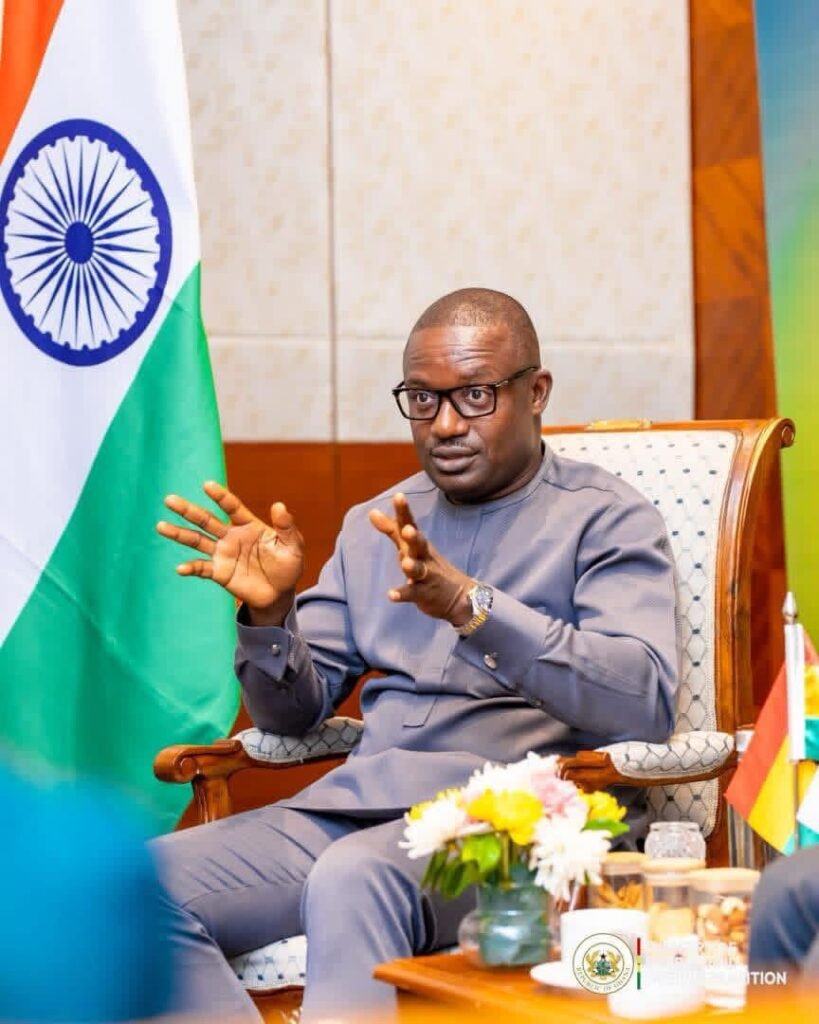
This strategic infrastructure project, which has received the official nod from the Minister for Energy and Green Transition, Hon. Dr. John Abdulai Jinapor (MP), is designed to bolster the robustness of the national grid.
“The Electricity Company of Ghana (ECG) wishes to inform our cherished customers and the general public that, following approval by the Hon. Minister for Energy and Green Transition, Hon. Dr John Abdulai Jinapor (MP), ECG will commence a major transformer replacement and upgrade exercise in selected parts of Accra.”
Electricity Company of Ghana (ECG)
By modernizing the existing distribution framework, the power distributor aims to address the persistent challenges of system overloads and frequent localized outages that have recently plagued fast-growing communities in the capital.
This essential maintenance and expansion initiative will specifically target twelve (12) power transformers located within six (6) primary substations, including Adenta, La, Teshie-Nungua, Nmai-Dzor, Baatsonaa, and Lashibi.
The core of this technical intervention involves a significant capacity boost, where existing units will be upgraded from 20/26 MVA to 30/39 MVA, a move that effectively increases the load-handling capability of these stations by approximately 50%.
According to the official timeline released by the company, the first phase of this rigorous programme is scheduled to kick off on Wednesday, 8th April 2026, with a projected completion date of Friday, 10th April 2026.
Strengthening Infrastructure and System Resilience
The transition from 20/26 MVA to 30/39 MVA transformers is not merely a routine replacement; it is a critical engineering upgrade necessitated by the rapid urbanization of Accra’s eastern and coastal corridors.
In technical terms, an MVA (Mega Volt-Ampere) rating defines the maximum power a transformer can handle before overheating or tripping.
By moving to a 30/39 MVA standard, the ECG is essentially “future-proofing” these substations. This 30% to 50% increase in capacity allows the grid to comfortably absorb the surge in demand from new real estate developments, shopping malls, and small-scale industries without triggering the “system overloads” that often lead to unannounced blackouts.
Furthermore, this upgrade enhances voltage stability, ensuring that the electricity reaching households and businesses remains at a consistent level, thereby protecting sensitive electronic equipment from the “brownouts” or low-voltage fluctuations common in overstretched networks.
The project serves as a “critical step toward strengthening infrastructure and improving system resilience,” ensuring that even during peak usage hours, the distribution network remains stable and efficient.
Navigating the Planned Outage Schedule
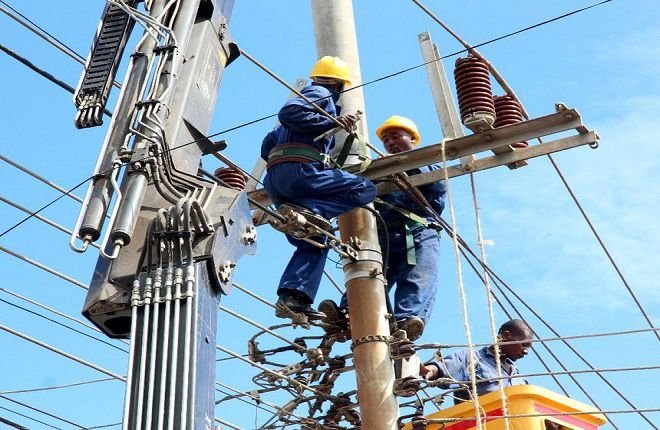
While the long-term benefits of the project are clear, the ECG has been transparent about the “brief planned power outages” required to facilitate the safe installation of the new hardware.
For the residents of Adenta, Nmai-Dzor, and Lashibi, this means temporary disruptions to daily routines over the three-day period in April.
The company has emphasized that these interruptions are purely “infrastructure-related” and do not signal a return to widespread load shedding, but are rather a necessary trade-off for a “more reliable and efficient electricity service.”
A detailed schedule has been prepared to help the public “make the necessary arrangements” during the outage windows.
According to ECG, this timetable, which outlines specific communities and expected durations, will be disseminated through ECG’s official communication channels, including the ECG PowerApp and social media handles.
The utility provider has assured the public that every possible measure is being taken to “minimise the duration and impact of these outages,” reflecting a commitment to customer-centric service delivery even during high-stakes maintenance.
A Greener Future Through Transition
Beyond the immediate technical gains, this exercise aligns with the broader vision of the Ministry of Energy and Green Transition.
By reducing system losses often caused by old, inefficient transformers operating at near-maximum capacity the ECG is contributing to a more sustainable energy ecosystem.
High-capacity, modern transformers operate with greater efficiency, meaning less energy is wasted as heat during the distribution process.
This efficiency is a cornerstone of the “Green Transition” policy spearheaded by Hon. Dr. John Abdulai Jinapor, aiming to optimize Ghana’s energy consumption patterns while building a grid capable of integrating future renewable energy sources.
As the capital prepares for this three-day technical overhaul, the ECG remains resolute in its mission to deliver “stable and efficient electricity service to all customers.” The success of this first phase will likely set the tone for similar reinforcement projects across other regions, marking a new era of proactive utility management in Ghana.
READ ALSO: Bawumia: Africa Must Embrace AI Revolution to Drive Prosperity